
 E-Paper



Pollution puts pregnant women at heightened risk in NCR, warn doctors
Doctors warn PM2.5 exposure can trigger hypertension, diabetes and inflammation, affecting both maternal and fetal health.

 Prefer HTon Google


As Delhi-NCR remains shrouded in toxic smog, pregnant women are confronting severe health risks that extend beyond common respiratory concerns, affecting both maternal health and fetal development. Experts stressed that expectant mothers represent a highly vulnerable group bearing the silent burden of pollution.
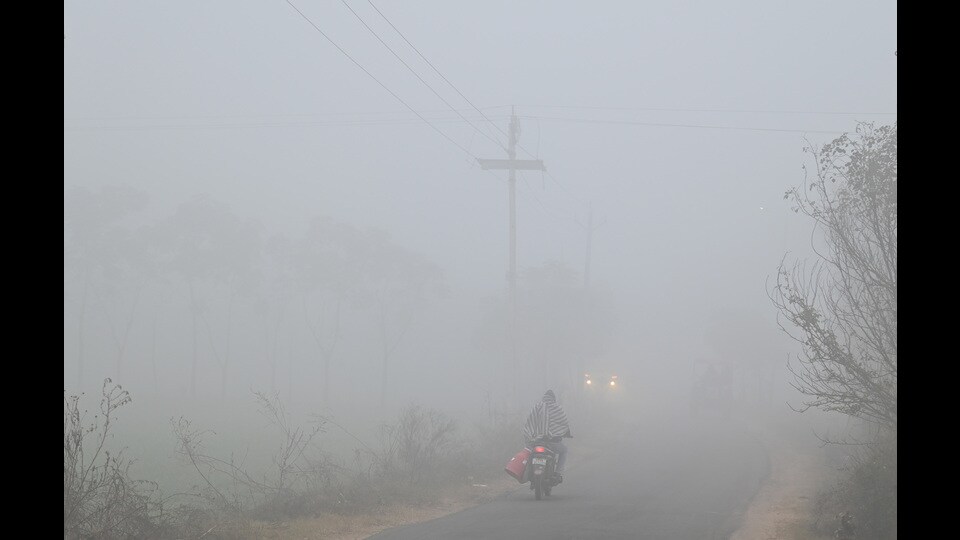
Health experts warn that exposure to fine particulate matter (PM2.5) – the dominant pollutant in Gurugram and much of the National Capital Region – is linked to serious complications. Dr Isha Kriplani, a consultant in obstetrics and gynaecology in Paras Health, Gurugram, explained: “In the short term, it can aggravate respiratory conditions such as asthma, cause breathing difficulties, and increase systemic inflammation, which may contribute to gestational hypertension and preeclampsia. PM2.5 exposure is also associated with metabolic disturbances, increasing the risk of gestational diabetes,” she said.
“Over the long term, repeated exposure may elevate the risk of chronic cardiovascular and respiratory diseases, as fine particulate matter can penetrate the lungs and enter the bloodstream, causing sustained inflammatory and oxidative stress responses,” she said.
“High levels of PM2.5 over time are linked to babies being born smaller, while women are more likely to go into labour early or have trouble growing. These patterns are present in numerous regions and are associated with inflammation, oxidative stress and compromised placental function,” said Dr Arun Chowdary Kotaru, senior consultant, respiratory disease, Artemis Hospitals, Gurugram.
Gurugram’s air has remained in the “poor” to “very poor” range for most of December, with PM2.5 consistently driving the hazardous readings.
For pregnant women like Shreya Chauhan, who is seven months along, the haze is a daily source of anxiety. “I worry about the air my baby is breathing,” she says, adding that her family plans to relocate to shield her newborn from the toxic air – an option not available to all.
Another expectant mother, Avantika Mathur, reports unusual fatigue and heaviness, which her doctor attributes to pollution. “We take precautions, stay indoors, and use air purifiers, but nothing can replace clean air,” she says.
Doctors recommend practical steps: staying indoors during peak pollution, using N95 masks outdoors, keeping windows closed on smoggy days, employing air purifiers, and consuming antioxidant-rich foods.Dr Chowdary said, “Staying inside during busy traffic times and staying away from crowded and polluted areas lowers direct exposure. To keep the air inside your home cleaner, use high efficiency air purifiers, keep the windows closed on smoggy days and make sure there is enough ventilation... Eating foods high in antioxidants such as fruits, vegetables, nuts, whole grains, milk, eggs and fish can help lower inflammation.”
Stay updated with all the Breaking News and Latest News from Mumbai. Click here for comprehensive coverage of top Cities including Bengaluru, Delhi, Hyderabad, and more across India along with Stay informed on the latest happenings in World News.


