E-Paper



SC sets aside death sentence in 1996 Rajasthan bus blast case
Fourteen people were killed and 37 injured in the blast on a bus on the Jaipur-Agra Highway on May 22, 1996, a day after the Lajpat Nagar bomb blast in Delhi, in which 13 people were killed

 Prefer HTon Google


Three decades after Abdul Hameed was arrested and nearly 12 years after he was sentenced to death, the Supreme Court on Tuesday set aside his conviction in the 1996 bus bomb blast case, holding that the trial was vitiated by the denial of effective legal representation and procedural fairness, and ordered a de novo trial to be concluded within a year.
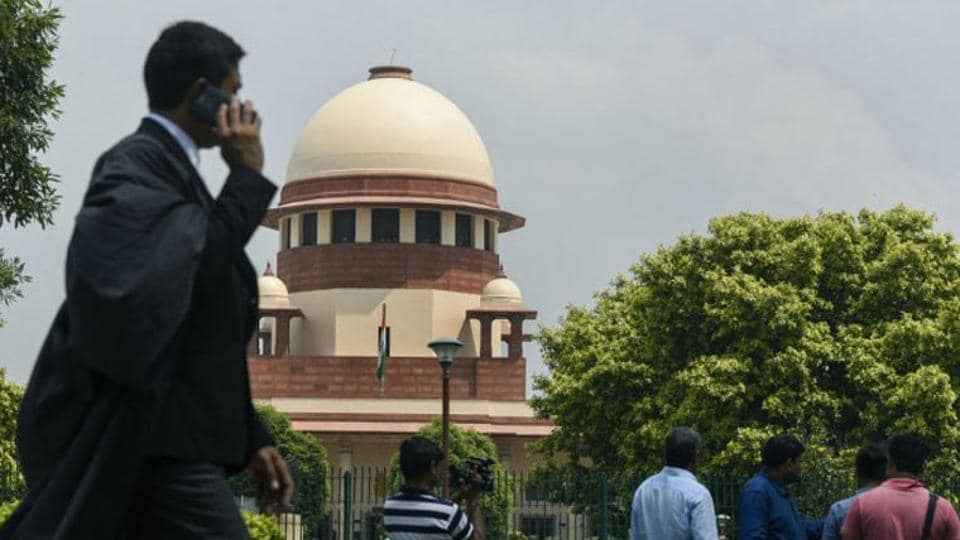
Fourteen people were killed and 37 injured in the blast on a bus on the Jaipur-Agra Highway on May 22, 1996, a day after the Lajpat Nagar bomb blast in Delhi, in which 13 people were killed. The Supreme Court judgment leaves the case without any convicted accused for the present, with Hameed facing a fresh trial while all other accused stand acquitted.
A bench of justices Vikram Nath, Sanjay Karol and Sandeep Mehta directed the Rajasthan high court chief justice to assign the retrial to a special court in Jaipur, which should make an endeavour to complete the proceedings within one year. It also directed that Hameed be provided “effective and meaningful legal representation” during the fresh trial.
Pronouncing the operative part of the judgment, Justice Mehta said the court had found that Hameed was not provided effective legal representation and assistance at the time of witnesses’ deposition”, rendering the proceedings fundamentally unfair.
The bench clarified that its decision was prompted by lack of fairness and procedural propriety and not by an assessment of the merits of the prosecution case.
The trial court’s 2014 judgment convicting Hameed and awarding him the death penalty was consequently set aside. The bench further directed that if Hameed applies for bail, the trial court shall consider the plea independently, without being influenced by any observation made by the previous courts.
The case relates to the May 22, 1996, bomb blast aboard a Rajasthan State Road Transport Corporation bus travelling from Agra to Bikaner through Dausa district. Fourteen passengers were killed and 37 others injured in the explosion.
While granting Hameed a fresh trial, the Supreme Court acquitted co-accused Pappu alias Salim, who had been serving a life sentence after being convicted of supplying explosives for the blast.
The court also dismissed appeals filed by the Rajasthan government against the acquittal of six accused – Jammu and Kashmir residents Javed Khan, Latif Ahmed, Mohammad Ali Bhatt, Mirja Nissa Hussain and Abdul Ghani, besides Rais Beg from Uttar Pradesh, thereby affirming the 2019 Rajasthan high court’s decision exonerating them.
A sessions court at Bandikui had in 2014 sentenced Hameed to death and awarded life imprisonment to seven others. In July 2019, the Rajasthan HC upheld Hameed’s death sentence, describing him as the principal conspirator who planted the bomb, while sustaining the life sentence awarded to Pappu alias Salim. It simultaneously acquitted six other accused for want of evidence.
Later that year, the Supreme Court stayed Hameed’s execution and agreed to examine his challenge to the Rajasthan HC verdict. Tuesday’s judgment finally disposed of those appeals by setting aside his conviction and directing a retrial on the ground that the original proceedings failed to satisfy the requirements for a fair criminal trial guaranteed under law.