
 E-Paper



Bridge construction near Pucca Pul set to take off
The proposed 181-metre-long bridge, whose construction will be taken up from the Khadra side, is estimated to cost the government ₹92 crore. The structure aims to ease traffic snarls in the area and improve road connectivity.

 Prefer HTon Google


All decks were cleared for the construction of a new bridge abutting the iconic Pucca Pul in the state capital, an official said.
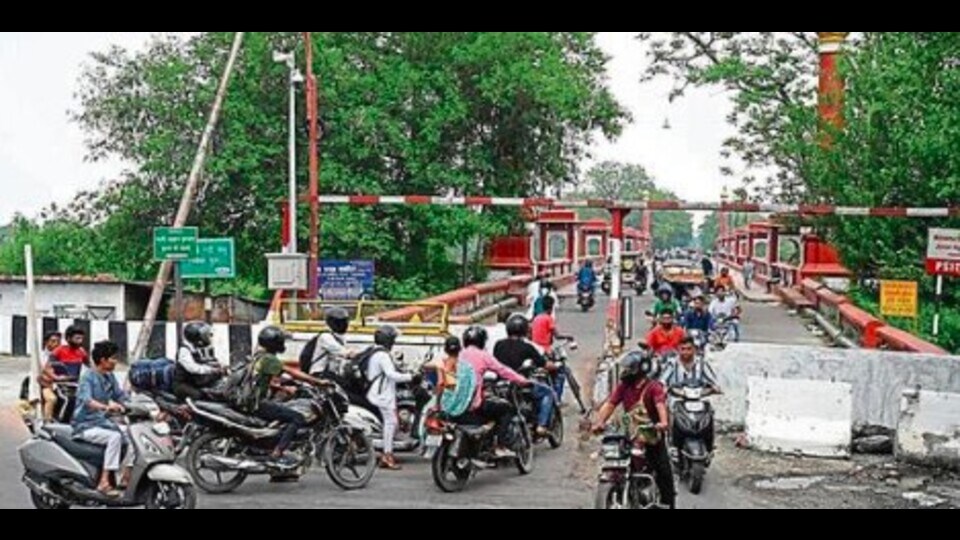
The proposed 181-metre-long bridge, whose construction will be taken up from the Khadra side, is estimated to cost the government ₹92 crore. The structure aims to ease traffic snarls in the area and improve road connectivity.
Once the bridge opens for public use, 50,000 vehicles are estimated to ply it.
“Uttar Pradesh State Bridge Corporation (UPSBC) has addressed all concerns raised by the state archaeological department regarding the bridge’s technical aspects,” UPSBC project manager KK Srivastava said, adding soil testing for the project had also been completed.
Digging for the pillars was expected to begin before March 5, Srivastava said.
Arch to invite commuters
The new bridge will be a four-lane structure and 20 meters wide. Engineers from the bridge corporation said the first phase of the project would focus on piling, along with the shifting electricity and water supply lines.
The design will feature an arch-like structure, connecting two embankments on the Gomti River. The bridge is expected to be completed within two years, with an estimated deadline set for June 2027. However, the Bridge Corporation is optimistic about completing the project before the target date.
Heavy vehicles travelling from the Puraniya embankment will also use this new bridge. The bridge will connect traffic coming from the Tila Wali Masjid area, passing through the Mari Mata Temple intersection, Buddha Park, and Imambara, to Sitapur Road. This new bridge is expected to significantly streamline the flow of traffic in the area.
Preservation plans
The need for a new bridge arose after the iconic British-era bridge, built in 1914, began to show signs of wear and tear. After years of use, the bridge developed cracks, which led the authorities to ban heavy vehicles from using it about two years ago. Last year, a wall was constructed to prevent vehicles from using the deteriorating structure.
Meanwhile, the Archaeological Survey of India has planned to restore and preserve the old bridge, with plans for its aesthetic enhancement, including the installation of special lights to showcase its historical significance.


