
 E-Paper



Coexistence of tigers and humans in UP’s Amariya draws experts’ attention
PK Sharma, Uttar Pradesh’s chief wildlife warden, said barring a few minor incidents, no fatal human-animal conflict had been reported from Amariya


In 2012, a tigress from the Pilibhit Wildlife Sanctuary, which has since been declared a tiger reserve, strayed out into sugarcane fields nearby. She has not gone back since and made the farm her permanent home. The tigress also gave birth to two cubs there in Amariya. More big cats have since joined them and now at least eight tigers and their nine cubs live in these fields. Forest officials call these big cats farm or Amariya tigers and their coexistence with humans has drawn the attention of experts and wildlife enthusiasts.
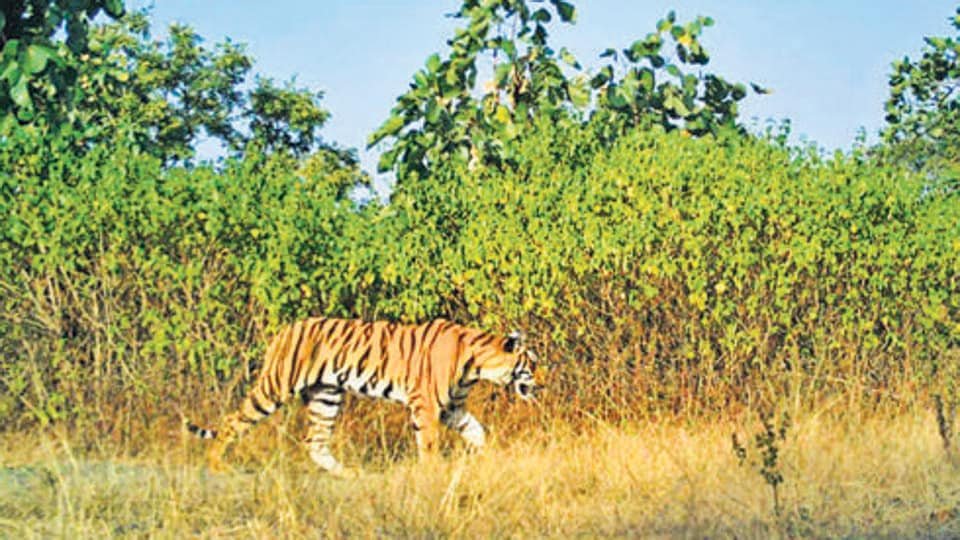
PK Sharma, Uttar Pradesh’s chief wildlife warden, said barring a few minor incidents, no fatal human-animal conflict had been reported from Amariya. “A special team from the forest department keeps monitoring the situation and sensitises people about how to prevent any possible conflict.”
Sharma said he has written to the Wildlife Institute of India seeking its views on the Amariya tigers and a plan for a thorough study of the situation. “Hopefully they will start their study soon.”
Also Read | Tiger dies of electrocution in Kheri forest of Uttar Pradesh
Mudit Gupta, World Wildlife Fund India (WWFI)’s senior landscape coordinator, said the farmland with tall sugarcane plantation provides a favourable atmosphere to tigers along with a good prey base of herbivorous animals, water and minimum human movement. “Like humans, tigers too avoid human contact and attack only when they find themselves in danger.” Gupta said the presence of animals did not affect daily human lives.
Naresh, the WWFI’s representative in Pilibhit, said the people were scared initially but gradually accepted the tiger presence after initial demands for their relocation. He added the tigers have also helped protect the crops. He added blue bulls, wild boars, deer and other animals would earlier damage the crops. “But the presence of tigers in the farmland has forced these animals to stay away.”
Naresh said movements of the Amariya tigers are tracked in an area of 20 to 30sqkm. Naresh said the first tigress, which came out of the reserve, went as far as Kanpur and Unnao, around 300km away.
Prashant Shukla, who owns a farm in Amariya, said there is always a danger of human-tiger conflict. He feared ageing could hamper the hunting capacity of tigers and turn them into maneaters. Shukla said experts should take care of this and prevent conflict. He added there have been instances of tigers and farmworkers coming face to face. Shukla said on Friday, a tiger changed his path after seeing a human. He added even children frequently venture into the farms but no untoward incident has ever taken place.
Sanjeev Kumar, a forest officer, said they have deputed a team in the area to track the daily movement of the tigers. He added the team trains the people to identify pugmarks and briefs them about dos and don’ts while working in their fields. Kumar said the farm labourers have been asked to move in groups and harvest crops from one side instead of multiple directions and also keep shouting so that tigers move away.
Shukla said it is impossible to always move in groups. “How can labourers move in a group for irrigating a field? Also, someone has to deliver food to labourers working in the fields.” He said the danger to humans could not be ruled out.


