
 E-Paper



Coming up! Biogas plant that treats 1.5 tonne cattle dung daily
With the target of operationalising it by March at the latest, officials said the Karelabagh plant would generate around 150 KW of electricity daily by using 1,500 kg of cattle dung.


The Prayagraj Municipal Corporation (PMC) is in the final leg of launching a biogas plant—a move that it hopes will become a viable disposal mechanism for tonnes of cattle dung generated by dairies within its ambit.
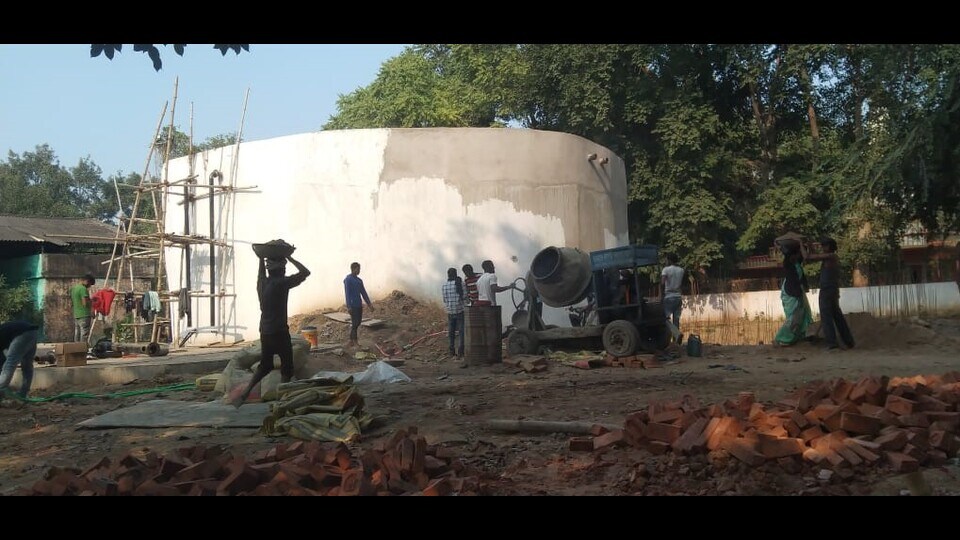
With the target of operationalising it by March at the latest, officials said the Karelabagh plant would generate around 150 KW of electricity—which can power up to five to seven average-sized houses—daily by using 1,500 kg of cattle dung.
Officials said food waste collected from hotels and fruit and vegetable markets will also be processed and used for power production at the plant as they have a 4 per cent yield, almost double that of cow dung.
Although a small step, the plant, if successful, can lead to creation of more such biogas plants not just in Prayagraj but also in other cities facing the challenge of safe disposal of cattle excrement and other waste materials.
Prayagraj municipal commissioner Chandra Mohan Garg said: “The Karelabagh biogas power plant, in itself, is a small one, but based on its success more such initiatives may be launched in the city in coming months.”
While admitting that only a fraction of cattle dung generated daily in the city would be used by the plant, civic officials said more such facilities could become a viable solution to the issue when they come up.
The plant will also use waste generated from the massive tent city set up for Mahakumbh-2025 on the Sangam banks.
1.8 lakh cattle at 1,500 dairies
According to civic officials, the city, which had around 650 dairies till 2016, is now home to 1,500 dairies, most of which are unregistered. “Registration of all the unregistered dairies within the city limits is likely to be completed by December 31,” said Dr Vijay Amritraj, PMC’s animal husbandry officer.
The city has an approximate population of 60,000 cows and 1.15 lakh buffaloes at both the registered and unregistered dairies apart from over 700 stray cattle—who together generate 1,757 tonnes of excrement daily, mentioned a senior official of the animal husbandry wing.
Biogas generated at Karelabagh will be used to generate electricity that will either power the plant and the nearby Jalkal office or 650 streetlights for eight to 10 hours every, they explained. The project will also be used to educate students.
₹5 crore being spent for plant
PMC’s chief electrical engineer Sanjay Katiyar, who recently inspected the under-construction plant, said it was being constructed at ₹4.9 crore and would be ready for operation this very financial year (2023-24) itself.
“A firm based in Bengaluru has been entrusted with the task of setting up the plant. It will also operate it for the next five years as per an agreement with us. Cattle dung for the plant would be provident by the PMC,” added Katiyar. He said two vehicles for collection of waste from dairies and another two for collection of vegetable waste would be used for the purpose.
Officials said the plant was mooted last year, but the plan couldn’t be set in motion due to certain circumstances.


