
 E-Paper



LPG crisis ‘fuels’ PNG expansion push in Lucknow
Green Gas Limited (GGL) has drawn up plans to expand its PNG network across the state capital. According to internal estimates, the company currently serves around 84,000 active consumers, while an additional 27,000 registered users are yet to activate their connections. In total, over 1.11 lakh households are already within its expanding network.

 Prefer HTon Google


The ongoing LPG supply disruption in Lucknow has not only inconvenienced thousands of households but also triggered a shift in the city’s domestic fuel landscape, with piped natural gas (PNG) emerging as a viable alternative.
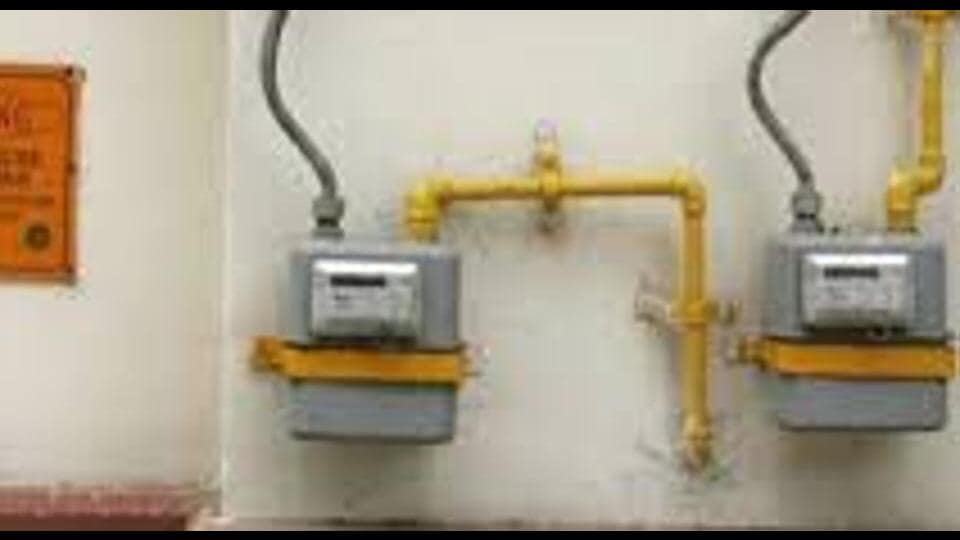
What initially appeared to be a temporary supply bottleneck is now being seen as a turning point. Residents say the shortage has exposed structural weaknesses in the cylinder-based distribution system, prompting both consumers and policymakers to explore more reliable and efficient options.
Sensing the shift, Green Gas Limited (GGL) has drawn up plans to expand its PNG network across the state capital. According to internal estimates, the company currently serves around 84,000 active consumers, while an additional 27,000 registered users are yet to activate their connections. In total, over 1.11 lakh households are already within its expanding network.
The company is now targeting a steady annual growth of 15-20%, translating to approximately 15,000 to 20,000 new connections in Lucknow each year. The expansion will focus on high-rise apartments, newly developed colonies and planned housing clusters where pipeline infrastructure can be easily integrated.
Officials familiar with the plan say that Lucknow’s current PNG penetration stands at roughly 22%, indicating significant room for growth.
With a population estimated at around 45 lakh, a large segment of the city, especially in rapidly urbanising zones, remains untapped. The company has reportedly mapped out specific geographies and housing clusters where pipeline networks are already laid but connections remain underutilised.
“We have identified a clear roadmap for each geographical area, which we aim to complete within a defined timeframe,” a senior official said, adding expansion plans are being supported by phased manpower deployment over the next three years. Lists of apartment complexes with existing pipeline access have already been prepared to accelerate the activation rate.
The LPG crisis has strengthened the case for PNG. Unlike cylinders that depend on periodic refills and logistics, PNG is supplied through underground pipelines, ensuring uninterrupted availability and greater convenience.
Praveen Kumar, deputy general manager at GGL, acknowledged the shifting dynamics.
“If the expansion unfolds as planned, Lucknow could witness a significant shift in how households and businesses meet their fuel needs. What began as a supply disruption may ultimately pave the way for a more robust, efficient, and future-ready energy network, reshaping the city’s domestic fuel ecosystem for years to come. PNG has inherent advantages, and the recent LPG crisis has exposed the limitations of the domestic cylinder supply chain. We are taking this as an opportunity to expand the PNG network in the state capital,” he said.
Officials also pointed to environmental benefits, noting that natural gas is a cleaner-burning fuel compared to LPG. Additional district magistrate (civil supplies) Jyoti Gautam said wider PNG adoption could help reduce the city’s carbon footprint.
Commercial establishments, including restaurants and small industries, are also expected to benefit from the expansion. Many of these businesses have faced operational disruptions due to inconsistent LPG supplies, and a stable PNG connection could offer them greater reliability and cost predictability.
However, there are challenges such as infrastructure expansion in dense areas, regulatory clearances, coordination with multiple civic agencies and consumer activation.


