E-Paper



#MangoDay: Yeh fal kisi aashiq ki mohabaat ka sila hai!
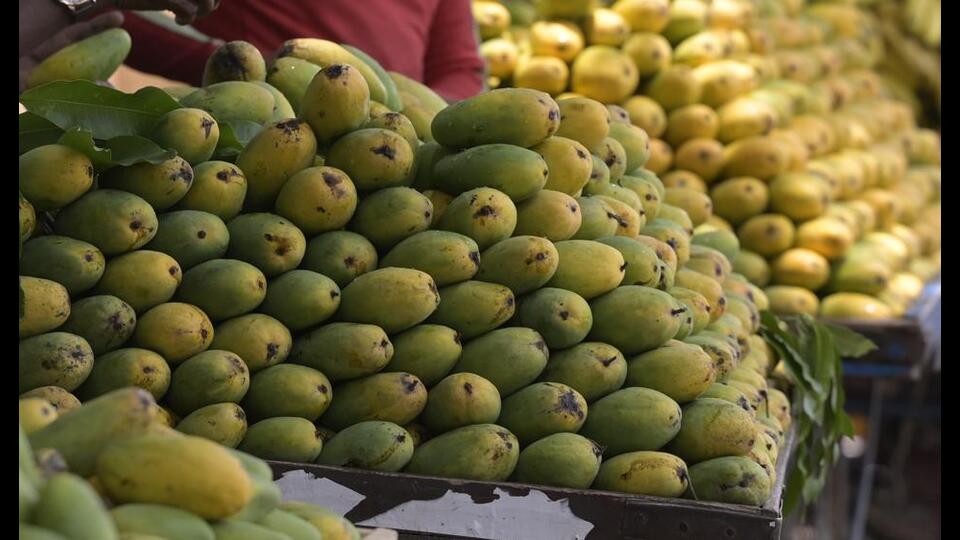
Popular dastaango Himanshu Bajpai talks about the love for mangoes in Urdu literature, with poets like Ghalib and Josh Malihabadi composing verses on the fruit. The mango season used to be a time of bonding for communities, with a unique practice in feudal families where men would get the best slices while women would eat the softer ones and their seeds. Luckily, this practice no longer exists.


Naama na koi yaar ka paigham bhejiye, is fasl mein jo bhejiye bas aam bhejiye... Popular dastaango Himanshu Bajpai remembers Urdu poet Akbar Allahabadi’s (1846-1921) nazm from Aaam Nama that talks about his love for the king of fruits.
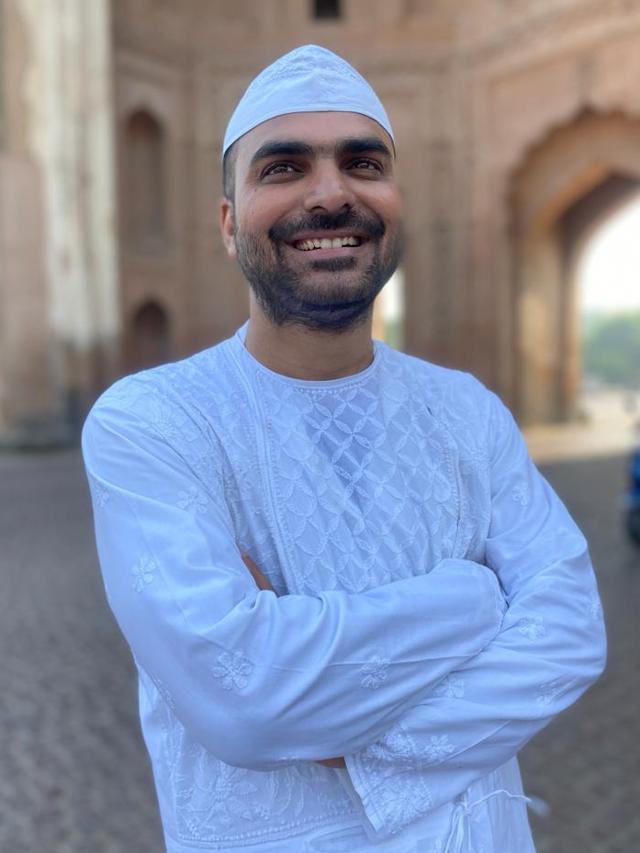
“There are lot of shayari, qissey and dastaans related to mangoes by great poets like Mirza Ghalib, Josh Malihabadi, his great-grandfather Nawab Faqeer Muhammad Khan ‘Goya’ and Akbar Allahabadi saheb (lyricist of Ghulam Ali’s ghazal Hungama Hai kun barpa) to name a few,” tells the Sacred Games fame dastaango.
Poet Sagar Khayyami (1938-2008) in his nazm Aamon ka sehra has said, “Hoton main jo haseen ke amras ka maza hai, yeh fal kisi aashiq ke mohabaat ka sila hai!” He has further added, “Woh log aamon ka maza paye hue hain, baur aane se pehle hi baurae hue hain.”
Bajpai narrates a qissa of Ghalib. “One of his friends was not fond of mangoes. Incidentally, a donkey came near a pile of mangoes dumped on roadside, smelled it and moved away. The friend teased him, ‘Dekho gadhey bhi aam nahi khate’ to which Ghalib replied, ‘Wahi toh main kehta hoon – sirf gadhey hi aam nahi khate’.”
Josh (1898-1982) in his nazm on Malihabad has written, “Aam ke baagon mein jab barasaat hogee purakharosh, meree furaqat mein lahoo roegee chashm-e-maifarosha...”
Dastaango and singer Askari Naqvi recalls how his father used to store mangoes in big baskets and cover them with paper and check them every day and take out the ripe ones.
“Humare yahan bolte they kitni dhadi aam khaye – people use to eat in bulk and stored the peel, seeds on the ground and in the form a pile just like reverse long beard.”
He adds that the mango season in earlier days was one where various communities used to bond and cherish the fruit together. “One odd thing was a practice in feudal families where men used to get good slices while ladies used to eat the softer ones and its seeds. Thankfully, it does not happen now!”