
 E-Paper



Monsoon drives sharp rise in snakebite cases across Lucknow
According to data from the Ram Manohar Lohia Institute of Medical Sciences (RMLIMS), the hospital treated 31 snakebite patients in June and 52 so far in July. Shyama Prasad Mukherjee (Civil) Hospital recorded 29 cases, including 10 in June and 19 in July, while Balrampur Hospital reported 22 cases and Ram Sagar Mishra (RSM) Hospital treated 13 patients during the same period.

 Prefer HTon Google


Snakebite cases have surged across Lucknow with the onset of the monsoon, as snakes driven out of flooded burrows stray into residential areas. Government hospitals have reported a sharp increase in admissions over the past two months, prompting the health department to step up preparedness.
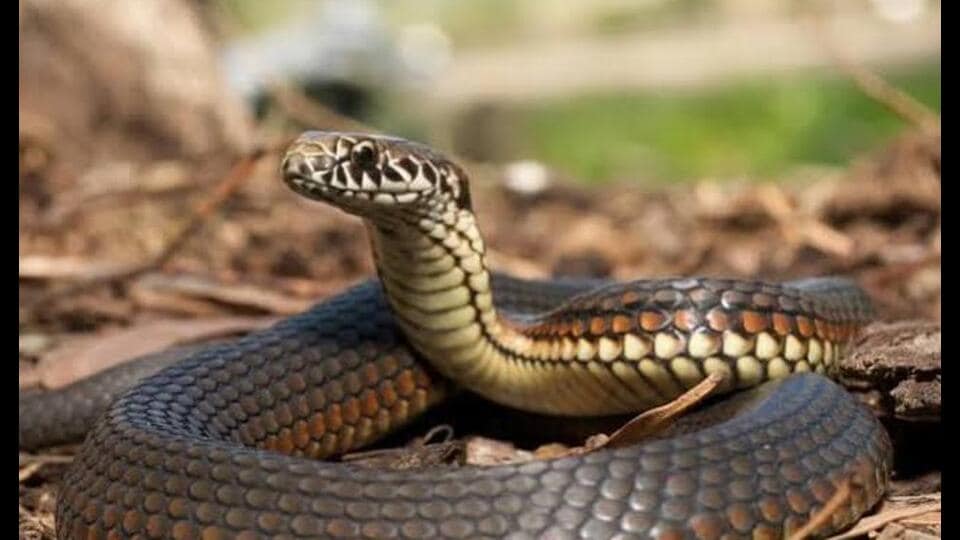
According to data from the Ram Manohar Lohia Institute of Medical Sciences (RMLIMS), the hospital treated 31 snakebite patients in June and 52 so far in July. Shyama Prasad Mukherjee (Civil) Hospital recorded 29 cases, including 10 in June and 19 in July, while Balrampur Hospital reported 22 cases and Ram Sagar Mishra (RSM) Hospital treated 13 patients during the same period.
District health education and information officer Yogesh Raghuwanshi said 20 community health centres (CHCs) and 80 primary health centres (PHCs) across Lucknow district recorded 203 snakebite cases between January 1 and June 30, 2026. Of these, 86 were reported in June alone, marking a 42.36% increase with the arrival of the monsoon. He said July’s tally is likely to surpass June’s figures.
To strengthen preparedness, the health department has ensured adequate stocks of anti-snake venom (ASV) before the rainy season. Raghuwanshi said every CHC and PHC maintains at least 10 doses of ASV throughout the year, with additional supplies dispatched ahead of the monsoon to facilitate prompt treatment.
Dr Haider Abbas, head of the emergency medicine department at King George’s Medical University (KGMU), urged people to keep snakebite victims calm, minimise movement of the affected limb and take them to the nearest health facility without delay. “Do not waste precious time on faith healing, exorcism or traditional remedies. Early administration of anti-snake venom can save lives,” he said.
Dr Kuldeep Verma, consultant physician at Civil Hospital, said cobra and krait bites primarily affect the nervous system, leading to paralysis and respiratory failure, while Russell’s viper venom damages blood vessels and kidneys, causing severe bleeding and acute kidney injury that may require dialysis.
He said anti-snake venom remains the only scientifically proven treatment for venomous snakebites.
Doctors cautioned against practices such as sucking out venom, applying herbal pastes, making cuts around the bite or tying tight tourniquets, warning that these can worsen the patient’s condition and delay life-saving treatment.


