E-Paper



₹250 cr released for fees of 3.25 lakh poor kids studying in U.P.’s pvt schools under RTE
A budget of ₹450 per month has been released for each child of disadvantaged and weaker section who have taken admission in private schools under the RTE

 Prefer HTon Google


Under the Right of Children to Free and Compulsory Education Act or Right to Education (RTE) Act, 2009, the Uttar Pradesh government has released over ₹250 crore for the fees of more than 3.25 lakh poor children studying free of cost in private schools across the state.
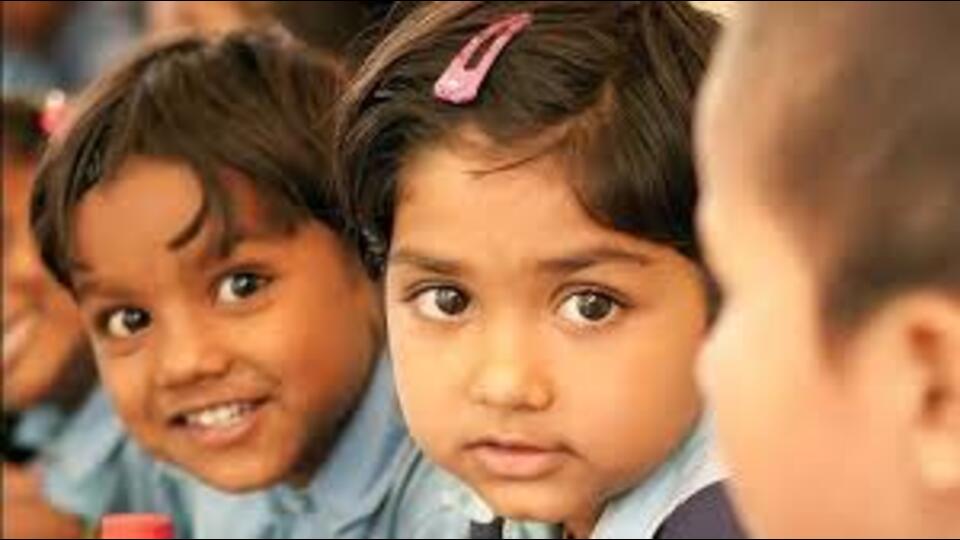
A budget of ₹450 per month has been released for each child of disadvantaged and weaker section who have taken admission in private schools under the RTE. A total of ₹2,54,24,51,344 has been released for payment of the fee of these students for the 2023-24 academic session as well as past arrears.
The schools were putting pressure on the parents of these children for non-payment of their pending fees for the 2023-24 session. Under the RTE, the dream of 35,666 students, the maximum from one district in the state, belonging to deprived sections of Lucknow to study in private schools is being fulfilled.
Likewise, 34,467 children in Varanasi, 13,934 kids in Agra, 12,231 in Kanpur Nagar, 11,999 in Ghaziabad and 11,887 children in Moradabad from weaker sections are studying in private schools free of cost. As many as 5,932 students are studying in private schools in Prayagraj.
“Under RTE, the amount of fees and financial assistance has been received for the children of deprived class studying in private schools in Prayagraj. This has also been paid to the respective schools,” said Praveen Kumar Tiwari, basic shiksha adhikari, Prayagraj.
Under section 12.1.c of the RTE Act, children belonging to EWS and disadvantaged groups are required to be admitted to recognised unaided private schools. They should make up for 25% of the total capacity of entry level classes -- either pre-primary or class 1 -- of private schools. The admission process is conducted by drawing lotteries to select the applicants.
The state government is required to reimburse the fee amount of such kids to the schools concerned as per the conditions stipulated under section 12(2) of the Act. Apart from paying the fees of underprivileged children, the state government is also required to give ₹5,000 per year to each child for books, notebooks and school uniforms.
Fees paid amounts to ₹450 per month for a maximum of 11 months or minimum school fees. In this context, a maximum of ₹4,950 is given as fees whereas ₹5,000 is given for school uniform and notebooks etc every year.
The state government has also released over ₹35.66 crore for school uniforms and notebooks etc of poor kids studying in private schools under the RTE. The amount has been received from director (basic education) Pratap Singh Baghel for the children admitted in the session 2023-24, confirmed officials of the state basic education department. However, thousands of children who took admission before 2023-24 session are still awaiting financial assistance.