E-Paper



SIR deadline approaches, BJP intensifies ground work in Uttar Pradesh
Bharatiya Janata Party activates its panna pramukh network, asks booth teams to conduct door-to-door outreach in Uttar Pradesh

 Prefer HTon Google


As the extended December 11 deadline for the submission of enumeration forms under the Special Intensive Revision (SIR) of electoral rolls is only a few days away, the BJP has intensified its ground work across Uttar Pradesh with district tours by senior leaders and fresh instructions from the top to prioritise voter verification over everything else.
Chief minister Yogi Adityanath is understood to have told MLAs to leave aside all non-essential programmes for a week to focus entirely on the SIR exercise.
He has directed public representatives and officials to ensure that “infiltrators” or “illegal voters” do not remain on the rolls under any circumstances and asked the party to get such names removed without delay.
During video conferencing with party workers last week, Yogi said while the Opposition was opposing SIR publicly, its workers were actively adding names on the ground and that lakhs of bogus votes had been detected.
The SIR issue also figured prominently in a meeting with party national general secretary (organisation) BL Santhosh last week.
To strengthen field supervision, both deputy chief ministers have been given charge of 25 districts each, while ministers and senior organisational leaders have been assigned specific territories to monitor progress and ensure 100% accuracy in verification.
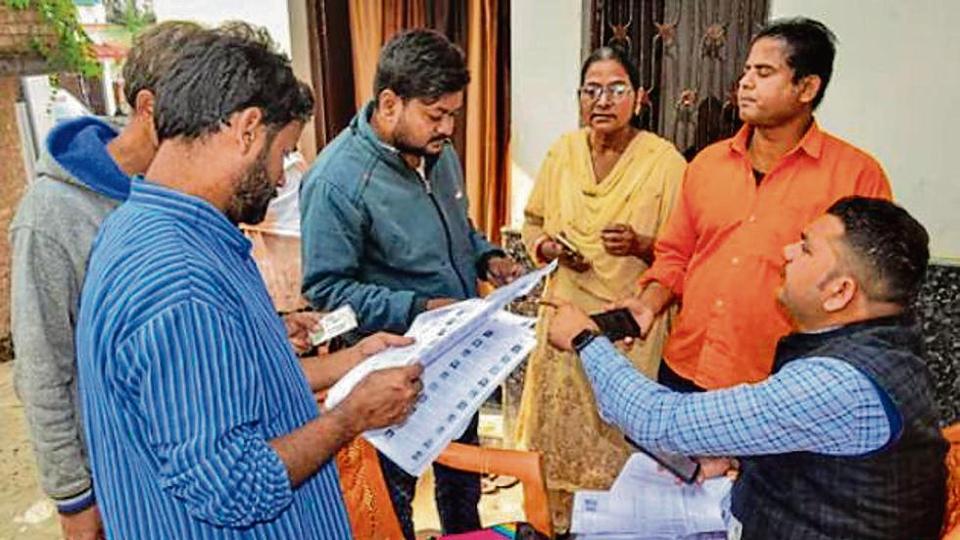
The BJP has also activated its panna pramukh network and instructed booth teams to conduct door-to-door outreach, assist voters flagged for deletion and counter misinformation that may surface during the revision.
“State president Bhupendra Chaudhary and senior leaders are now touring key districts, including politically sensitive areas such as Amethi and Rae Bareli, holding meetings with district units and directing mandal and booth committees to stay in continuous field contact,” a BJP functionary said.
The party is said to be particularly cautious about rural and semi-urban booths where migration patterns may increase deletion proposals and has asked units to verify each flagged case before finalisation.
Meanwhile, the Samajwadi Party, which is publicly criticising the SIR exercise, has activated a large network of booth-level agents (BLAs), deployed cadres for house-to-house monitoring, and instructed district units to ensure “no loyal voter” is cut during the revision but new ones are added.