E-Paper



Sweet impact: Hot weather pushes up mango yield
Uttar Pradesh, which falls in the northern belt, accounts for 40% of the total mango production in India. Of 21 million metric tonnes, 4.8 MT comes from UP alone. UP is also the largest producer of mangoes in India with important varieties, especially dussehri, langda, and chausa.

 Prefer HTon Google


LUCKNOW: The summer scorcher has sent the entire North India reeling, but the hot weather condition has one plus point--it is ideal for mango ripening. According to agricultural scientists, the heat is good for mango produce and it helps the fruit ripen naturally. Also the fact that the season so far has not seen hailstorms or strong winds has saved the crop from damage.
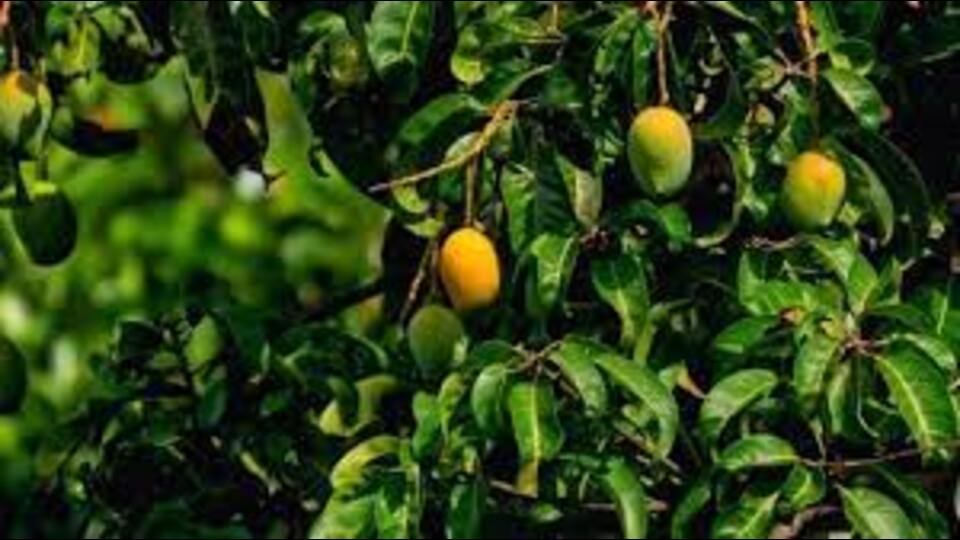
“Mango is a tropical fruit and hence, hot weather is essential for it. The yield this year around western and eastern UP near Varanasi is very good,” said T.Damodaran, director of ICAR-Central Institute of Subculture Horticulture (CISH), Rehmankhera, Lucknow.
Uttar Pradesh, which falls in the northern belt, accounts for 40% of the total mango production in India. Of 21 million metric tonnes, 4.8 MT comes from UP alone. UP is also the largest producer of mangoes in India with important varieties, especially dussehri, langda, and chausa.
“The mango can easily bear the hot temperature. Mango is currently in its ripening stage and hot weather is needed for the fruit’s maturity,” said P.K Shukla, principal scientist and head of department of crop protection, CISH.
For the past two consecutive years, mango farmers in UP had to bear losses after over 20-30% of the produce was destroyed due to sudden hailstorm, untimely rain and a pest called semi-looper or black inchworm, so that a lot of mangoes had fallen much before the ripening stage in March and April. Earlier this season, the heat wave condition during the flowering season was expected to be bad for the mango flowers during March-April .
Irrigation important
The scientists said that even though heatwave was good for the fruit, irrigation was pertinent at the same time. “There should be no water scarcity as it may then lead to fungal infection and dehydration in the fruit leading to fruit drop. The roots should be irrigated well for better results,” said Shukla while also advising farmers that they should not pick the fruits now and wait for a few more days.
Rain to improve quality
Although content with the heatwave, the farmer and scientists are looking forward to the rain for even better results. “The rain at maturity helps yield the best results,” said the CISH director. This rain was good for the fruit but the monsoon would be extreme for the fruits, said the scientists.
According to meteorological department head Md Danish, light rain is expected in Lucknow and the surrounding areas. “Rain makes the taste of the fruit better, sweeter and a little bigger in size,” said Hasnain Ali, a farmer from Malihabad.