
 E-Paper



Unseen, undeterred: 4 women attendants breaking gender barriers at post-mortem house
From Covid dead to sexual assault evidence, these attendants at Lucknow’s KGMU perform high-risk duties with precision, yet remain underpaid


LUCKNOW In a quiet corner of King George’s Medical University (KGMU), four women are breaking gender barriers by performing one of the most demanding and least acknowledged jobs in the public healthcare system: working as mortuary attendants.
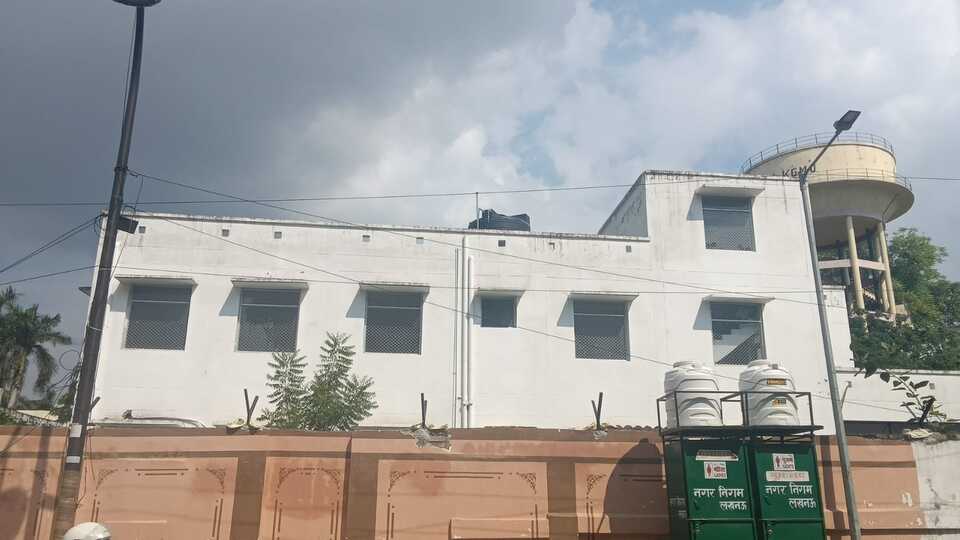
Inside the post-mortem house, these attendants form the invisible backbone of a complex medico-legal process that sits at the intersection of medicine, law and human grief. Their work intensified during the Covid-19 pandemic, but even years later, the scale, sensitivity and risks associated with their duties remain unchanged, like their modest pay and limited recognition.
They were among those who stayed on the frontlines when fear and uncertainty defined hospital spaces. When handling bodies meant potential exposure to a poorly understood virus and social stigma, these women continued reporting for duty, managing, documenting and preparing the remains of Covid victims with clinical precision and quiet resolve.
Their responsibilities begin where most medical roles end. From “paper chadhana”, the meticulous tagging and documentation of bodies — to facilitating identification by grieving families, they operate in emotionally charged environments where accuracy is critical.
One of the attendants described a routine that begins at home before sunrise and continues inside the mortuary till 8pm. “Others go to offices; I go to a place where bodies are examined to determine the cause of death,” she said, adding that even her family knows little about the nature of her work. These attendants work in two shifts, that is 8am to 3pm and 1pm to 8pm.
In sensitive medico-legal cases, particularly sexual assault investigations, the role of attendants becomes even more crucial. Working alongside women doctors, they assist in collecting forensic samples, ensuring protocols are followed without compromising dignity. Their presence often provides both procedural support and a measure of comfort in distressing situations.
They also prepare bodies for post-mortem examinations, tasks that demand technical skill, strict hygiene practices and psychological endurance. Beyond the visible duties, they handle procedures such as collecting anal, nasal and vaginal swabs, preserving samples and maintaining temperature-controlled storage systems, responsibilities fundamental to the integrity of forensic evidence.
Chief medical officer Dr NB Singh said the work of these four women stands as clear evidence that women are equally capable of handling high-risk and highly sensitive responsibilities. He noted that their role becomes particularly crucial during post-mortem procedures in sexual assault cases, where they assist medical teams while ensuring protocols are followed with care and dignity.
He added that beyond forensic responsibilities, they are also entrusted with safeguarding the belongings of the deceased, often valuables, until bereaved families arrive at the mortuary to claim the bodies, underscoring the trust and accountability placed in them.
Yet, despite the complexity and importance of their work, their compensation remains disproportionately low. Institutional sources acknowledge that the mortuary’s day-to-day functioning would be severely disrupted without them, but their contributions rarely find mention in formal healthcare narratives.
Their journey into this role traces back to 2020, when the RALC building at KGMU was converted into the state’s only 200-bed dedicated Covid hospital. A specialised mortuary unit, complete with cold storage facilities, was set up to manage the surge in Covid fatalities. To meet the demand, six additional attendants were recruited, four of them women.
Even after the pandemic subsided in 2022, all 12 attendants were reassigned to the post-mortem house, where the four women continue to serve. Today, they remain the only female mortuary attendants performing such ground-level duties at a post-mortem facility in Uttar Pradesh, a distinction that reflects both progress in gender inclusion and the stark realities of labour invisibility.
Across UP, no other post-mortem facility has women engaged in such roles at this level, making their presence both exceptional and symbolic of a slow shift in workforce dynamics. But their story also raises deeper questions. As healthcare systems evolve and discussions around workforce reform gain momentum, the gap between the nature of their work and the recognition they receive becomes harder to ignore.


