E-Paper



UPPCL mulls weeding out deadwood from work force
Pashchimanchal Vidyut Vitaran Nigam Ltd (PVVNL) or Meerut discom, one of the five subsidiaries of the UPPCL, has taken the lead by already issuing orders for the initiation of screening exercise

 Prefer HTon Google


LUCKNOW In a move to improve work culture in energy corporations, the UP Power Corporation Ltd (UPPCL) is contemplating weeding out “deadwood” by giving compulsory retirement to inefficient power employees above 50 years of age, said officials.
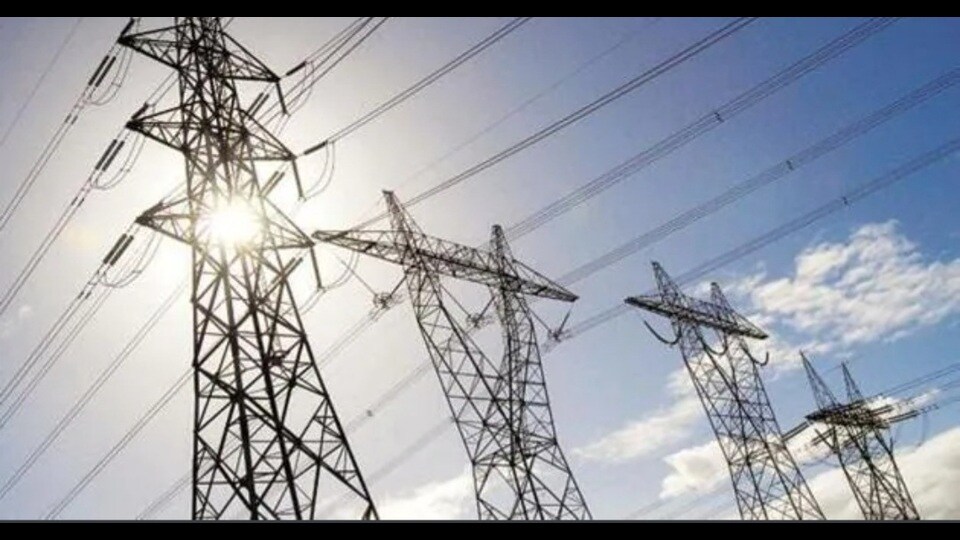
The Pashchimanchal Vidyut Vitaran Nigam Ltd (PVVNL) or Meerut discom, one of the five subsidiaries of the UPPCL, has taken the lead by already issuing orders for the initiation of the screening exercise.
“The screening committees to identify inefficient employees above 50 years of age are being reconstituted in all the discoms as well as at the UPPCL headquarters,” a senior UPPCL official confirmed.
Launching the process, PVVNL managing director Chaitra V issued a circular to all the officials concerned, directing them to complete the screening of all eligible personnel under the Meerut discom that caters to districts in western UP.
“You are directed to ensure completion of the screening process for compulsory retirement of all employees who have attained the age of 50 years after evaluating their work efficiency,” she stated in the circular issued on January 24.
The MD, in her letter, referred to 1985 government order (GO) issued by then chief secretary Girish Mehra and subsequent circulars by the then UP State Electricity Board and the UPPCL, laying down the procedure for terminating services of employees above 50 years with compromised work efficiency by forcibly retiring them.
Though aimed at streamlining the workforce and ensuring optimal efficiency within the power sector, the move is bound to raise eyebrows of leaders of power employees’ unions that have always viewed any such exercise with suspicion and opposed the same.
Courts in several cases have held that while an employer or the government has absolute right to remove deadwood from service by retiring inefficient personnel, the same cannot be used as a tool to punish employees.
As the UPPCL gears up for the screening of its staff, it remains to be seen how the process unfolds.
The move, it is said, may prompt other utilities and government departments grappling with similar challenges in optimizing their workforce to undertake the same exercise.
After coming to power in 2017, the Yogi Adityanath government ordered screening of all government employees aged 50 and above for weeding out deadwood among them. Various government departments and corporations initiated and completed the exercise. Many employees getting compulsory retirement after screening succeeded in getting relief from courts on different grounds.