E-Paper



Uttar Pradesh’s peak summer power demand likely to soar to 33,000 mw, UPPCL gears up for challenge
Last year, Uttar Pradesh experienced the peak power demand at 30,618 mw on June 13, breaking all previous records

 Prefer HTon Google


As temperatures soar, Uttar Pradesh is bracing for a sharp rise in electricity demand, which may cross 33,000 megawatt (mw) this summer — a new peak for the state and a major test for the Uttar Pradesh Power Corporation Limited (UPPCL).
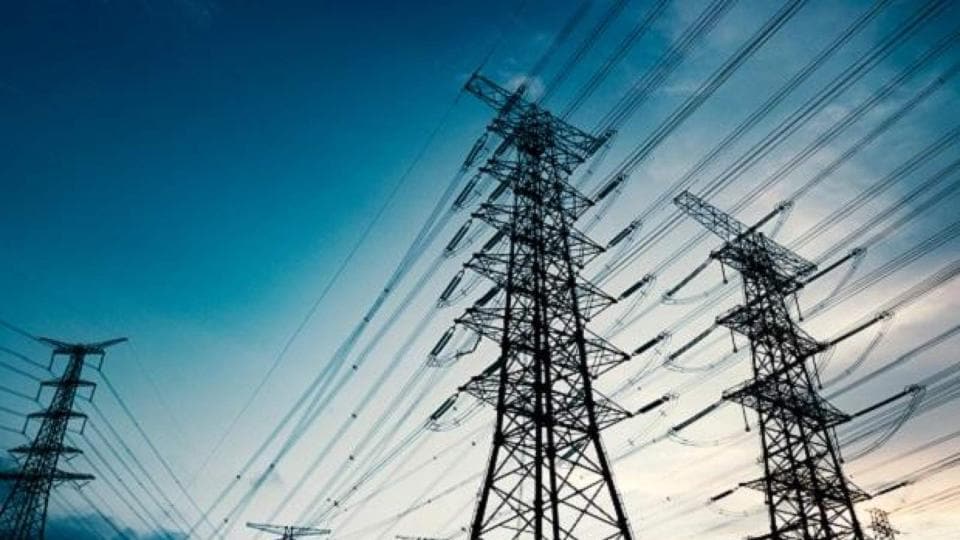
Last year, the state experienced the peak power demand at 30,618 mw on June 13, breaking all the previous records. And this year, it may increase by around 3,000 mw, leaving the state with a demand-supply gap to some extent resulting in emergency power cuts, especially in rural areas.
“We anticipate the peak power demand in the state to be 32,000-33,000 mw this summer, significantly higher than what it was in 2024,” UPPCL chairman Ashish Kumar Goel said, talking to HT.
While he admitted that keeping power supply on track in summer (between May and September) was always a challenge, he claimed to have made all necessary arrangements to provide power to people as per the roster and take quick action in the event of disruptions due to local faults.
“Like last year, we have, in advance, tied up with several states to procure around 3,000 mw power through the banking system under which these states supply power to us in summer and we return the same when their requirement for power is more. These states include J&K, Uttarakhand, Karnataka, Kerela and Maharashtra,” he said.
He said the state was also expected to get around 3,000 mw of additional power from new power plants that have already started operations partially. These new plants include Jawaharpur, Khurja, Panki, Obra and Ghatampur.
“We will meet the shortfall by purchasing electricity from the market through the energy exchange as always on the as and when basis,” he said.
He said completion of segregation of 80% agriculture feeders would also ease the peak time supply burden and farmers would get electricity in the daytime for their tube wells.
While the UPPCL claims to have made elaborate arrangements to manage the surge, prolonged power outages in several areas often result not from a shortage of electricity, but from persistent distribution and transmission bottlenecks and delays in repairing the faults.
Goel claimed that advance arrangements had been made to take care of supply issues arising from the distribution bottlenecks as well.
“Overhead cables have been changed, transformers inspected, and smart meters installed at distribution transformers, all to minimise local breakdowns and monitor the status of feeders. Besides, control rooms have been activated, and regular monitoring of power supply is being conducted at various levels,” he said.
Officials admit the next few months, particularly till September, will be challenging. Although last year’s peak demand was recorded on June 13, in some years, it climbs further during August and September, keeping up the pressure on the power infrastructure.
UP Power Transmission Corporation Ltd (UPPTCL) and Utpadan Nigam managing director Rupesh Kumar claimed the state’s transmission network was ready to wear the peak power load without any disruption.
“We expect the peak demand to be around 32,500 mw in June this year while our transmission network has been upgraded to be able to transmit 75,000 mw power from power plants to the distribution network,” he said.
Ensuring uninterrupted supply in the face of such high demand will require not just adequate power availability but also a responsive and robust distribution system, a task that remains a key concern across many parts of the state, as witnessed every year.