E-Paper



West Asia conflict hits rice exports from U.P; farmers, millers suffer
Exporters and rice mill owners report that prices of both Basmati and non-Basmati rice have dropped by over 30%, while payment channels to key buyers like Iran remain severely affected.

 Prefer HTon Google


The ongoing conflict in West Asia has significantly disrupted rice exports from Uttar Pradesh, resulting in plummeting demand, stalled payments, and sharp price declines. Exporters and rice mill owners report that prices of both Basmati and non-Basmati rice have dropped by over 30%, while payment channels to key buyers like Iran remain severely affected.
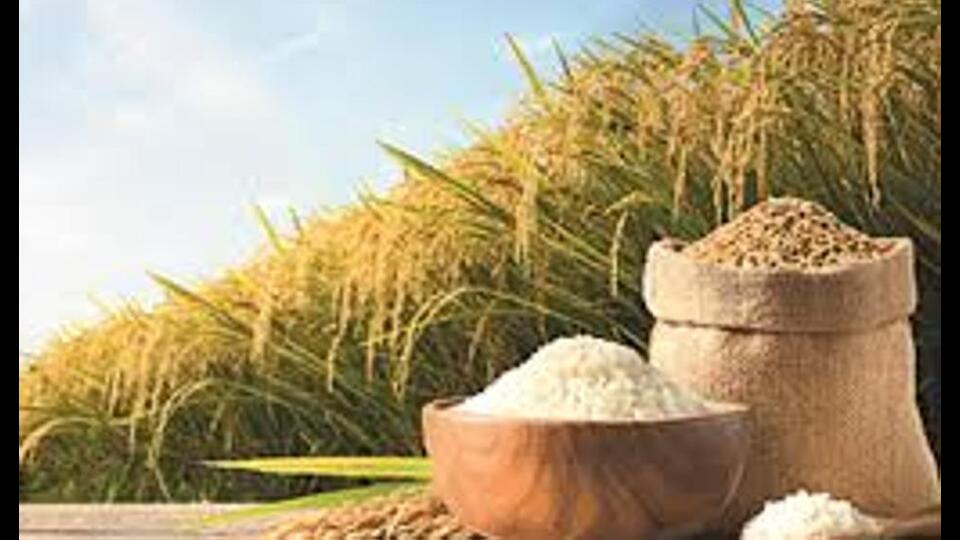
Exporters say that demand from West Asia has fallen sharply as importers have halted purchases amid the conflict.
Anand Kumar Gupta from Bindki and Manoj Gandhi from Fatehpur town, both traders with large export operations, said that they earlier exported rice milled directly from local paddy to West Asian buyers. “With exports halted, the demand has plummeted while production continues. Prices from paddy to milled rice have dropped. This hurts millers like us, reduces government revenue, and directly impacts farmers, who are getting lower rates,” Gupta said.
He added that farmers could not afford to store their harvest in the hope of better prices and were left with no option but to sell at a loss.
District marketing officer Vinod Kumar Kaithal, posted in Fatehpur, confirmed that orders from West Asian buyers had stopped compared to last year.
“This year, farmers could not secure better open-market prices for paddy due to reduced exports. Lower purchases and exports are also hurting millers and revenue has also declined,” Kaithal said.
Deepak Agnihotri, a rice mill owner in Mainpuri, said the market for Basmati 1718 variety had seen prices drop from around ₹70 per kg to ₹56 before recovering slightly to ₹61. He noted that the government’s earlier procurement of levy rice and provision of paddy for milling had supported mills, but low processing fees of just ₹10 per quintal forced many to shut down.
Akhil Moondra, also from Mainpuri, said that dollar shortage in Iran had delayed large payments. He said that reduced oil imports from Iran had eliminated payment settlement channels that once supported rice trade. Disruptions in the Red Sea had also driven up freight costs by two-and-a-half times.
Mahesh Kumar, a rice mill owner in Hardoi district, said the market had remained subdued for four to five months. “Iran is a major factor. Prices across rice categories have fallen by ₹200-300 per quintal in recent weeks,” he added.
Exporters and millers agree that unless geopolitical tensions ease and payment channels are restored, the outlook for rice exports will remain challenging, with continuing impacts on farmers, millers, and government revenues.