E-Paper



Yogi government to invest ₹20,000 crore each in Meerut, Mathura, Kanpur for urban transformation
The initiative is part of the state’s broader strategy to modernise tier-2 cities, improve liveability with sustainable development

 Prefer HTon Google


Aiming to transform key urban centres, the Yogi Adityanath government has identified Meerut, Mathura and Kanpur for focused integrated development through investments worth around ₹20,000 crore each over the next five years, said an official who is part of the exercise.
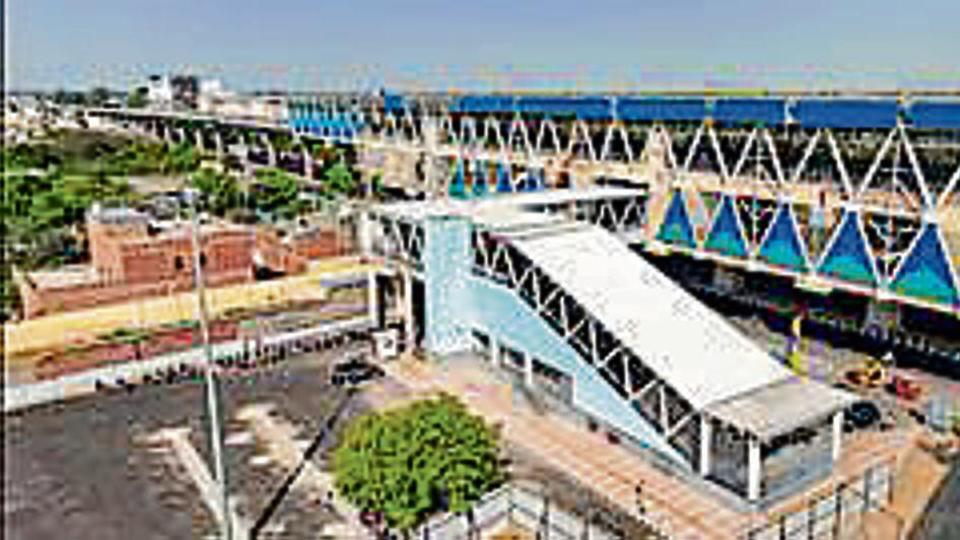
The plan intends to bring visible change through a structured mix of short, medium, and long-term projects. Departments like housing, urban development, public works and energy have been directed to prepare and implement proposals in a time-bound manner.
“The initiative is part of the state’s broader strategy to modernize tier-2 cities, improve liveability with sustainable development and attract private investment. Various government departments have been tasked with identifying infrastructure, civic and economic development projects that can show measurable impact,” the official said.
The effort began two days back with the Meerut Development Authority (MDA) presenting a detailed blueprint to chief minister Yogi Adityanath in a meeting here. MDA has outlined an ambitious urban transformation roadmap involving 93 projects worth ₹18,262 crore, aligned with the Sustainable Development Goals (SDGs) and central schemes such as AMRUT (Atal Mission for Rejuvenation and Urban Transformation), Smart Cities Mission, and HRIDAY (Heritage City Development and Augmentation Yojana).
The presentation was titled “Revitalising Meerut: Transforming the City Through and Theme-Bases Urban Development Projects.”
According to MDA’s theme-based approach, as shown through the presentation, the focus is on six core areas: enhancing public spaces, improving connectivity, upgrading utilities and social infrastructure, promoting industrial and housing growth, preserving heritage, and ensuring effective redevelopment.
The largest share—37 projects valued at ₹5,382 crore—aims at seamless connectivity for a smarter and more liveable Meerut. This includes initiatives planned across short, medium, and long-term phases.
Enhancing public spaces and streetscaping accounts for 14 projects worth ₹3,814 crore, while 23 projects ( ₹3,975 crore) are aimed at infrastructure and connectivity upgrades. Notably, only 11 of the 93 projects require land acquisition, involving an estimated cost of ₹5,440 crore.
The plan also includes the establishment of Central Business District (CBD) at Hastinapur in Meerut with an investment nod for ₹200 crore. The proposed CBD aims to become a focal point for economic development, employment generation, and tourism, making use of its available land and heritage value
Currently, six projects are under implementation, and the overall timeline spans from short-term (0–1 year) to long-term (2.5–5 years).
Similar development plans are being prepared for Mathura and Kanpur. Officials suggest that Mathura’s plan may focus on religious tourism infrastructure, riverfront development along the Yamuna, and decongestion of temple town areas. Kanpur is expected to prioritise industrial rejuvenation, transport upgrades and pollution mitigation.
A city-wise nodal officer system, monthly reviews and a real-time monitoring dashboard under some senior authority in the state capital are being designed to ensure fast-track implementation.
“The government will also encourage investment in all these three cities under the Public Private Partnership (PPP) model,” the official said.