
 E-Paper



BKC pod taxi project gets green nod; 0.14 ha of mangroves, 431 trees to be cut
About 58.48 metres of the project alignment will pass over mangrove areas along the banks near BKC. The Mumbai Metropolitan Region Development Authority (MMRDA) has already approached the Tree Authority for permission to fell the trees

 Prefer HTon Google


MUMBAI: The long-pending automated Mass Rapid Transit System (MRTS) at Bandra Kurla Complex (BKC) — popularly known as the pod taxi project — has received clearance from the Maharashtra Coastal Zone Management Authority (MCZMA), the state body tasked with safeguarding the coastal environment.
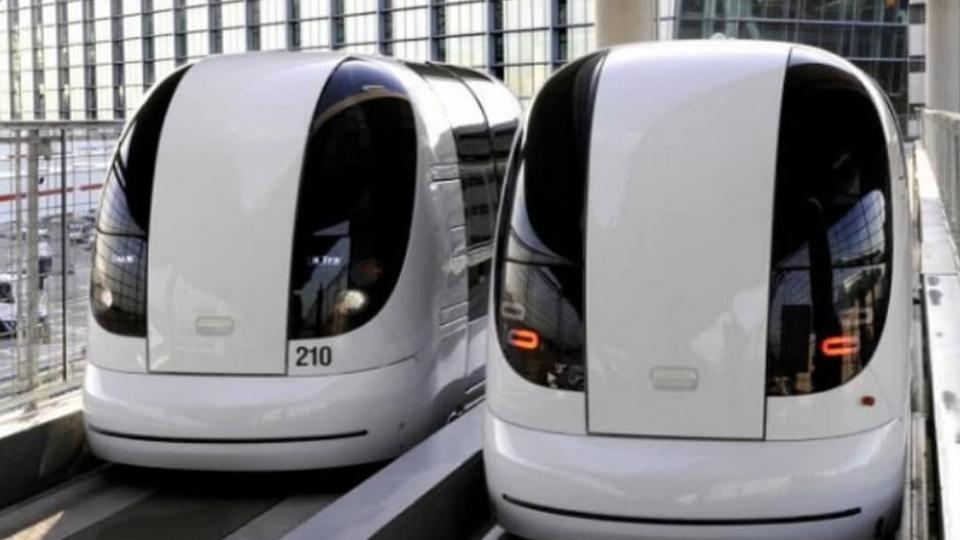
Estimated at ₹1,016.34 crore, the project is slated for completion within three years, and aims to enhance last-mile connectivity to the business hub, catering to an estimated 400,000 to 600,000 daily commuters. While the initiative promises to ease transportation challenges, it raises concerns about its environmental impact on the coastal ecosystem. According to the proposal cleared by MCZMA, 0.14 hectares of mangroves will be affected, and 431 trees will have to be cut.
About 58.48 metres of the project alignment will pass over mangrove areas along the banks near BKC. The Mumbai Metropolitan Region Development Authority (MMRDA) has already approached the Tree Authority for permission to fell the trees.
Currently, hundreds of thousands of office-goers commute to BKC by relying on BEST buses, auto-rickshaws, and taxis. Many complain of erratic bus services and high fares charged by auto drivers, especially for short distances from Bandra and Kurla railway stations. Despite repeated complaints, commuters say that enforcement agencies, including the traffic police, RTO, and the MMRDA, have done little to address these issues.
The MMRDA’s proposal to MCZMA states that conventional public transport options in BKC are neither flexible nor energy-efficient, particularly outside peak hours, when large buses run nearly empty. To address this, the authority is banking on an Automated Rapid Transit System (ARTS) — a zero-emission, on-demand transport network designed for short urban commutes.
Commonly known as a pod car system, ARTS consists of small, autonomous, electric-powered vehicles operating on a dedicated 8.01-km elevated corridor between Bandra and Kurla. The plan includes 21 stations strategically placed across BKC, with facilities such as ticket counters, escalators, waiting areas, and charging docks for the pods. The system will use advanced control systems, smart sensors, and real-time data monitoring for seamless operations.
Officials believe the project will not only reduce travel time within BKC but also cut dependency on fossil fuel-based transport modes. However, environmentalists are likely to keep a close watch on the mangrove clearance and tree cutting permissions before work begins.
Stay updated with all the Breaking News and Latest News from Mumbai. Click here for comprehensive coverage of top Cities including Bengaluru, Delhi, Hyderabad, and more across India along with Stay informed on the latest happenings in World News.


