
 E-Paper



Fishers to hold rally opposing Manori desalination plant
The rally will highlight the concerns of fisher communities regarding marine ecology, fish breeding and brine discharge from the proposed plant, said Oldin Vasaikar, chairman, Gorai Machimar Sahakari Sanstha

 Prefer HTon Google


Mumbai: Concerned about the impact of the proposed desalination plant at Manori on the livelihoods of fisher communities, around 1,500 fishermen from Madh, Manori, Uttan and other villages along the city’s western coastline are likely to participate in a rally on Friday to oppose the project.
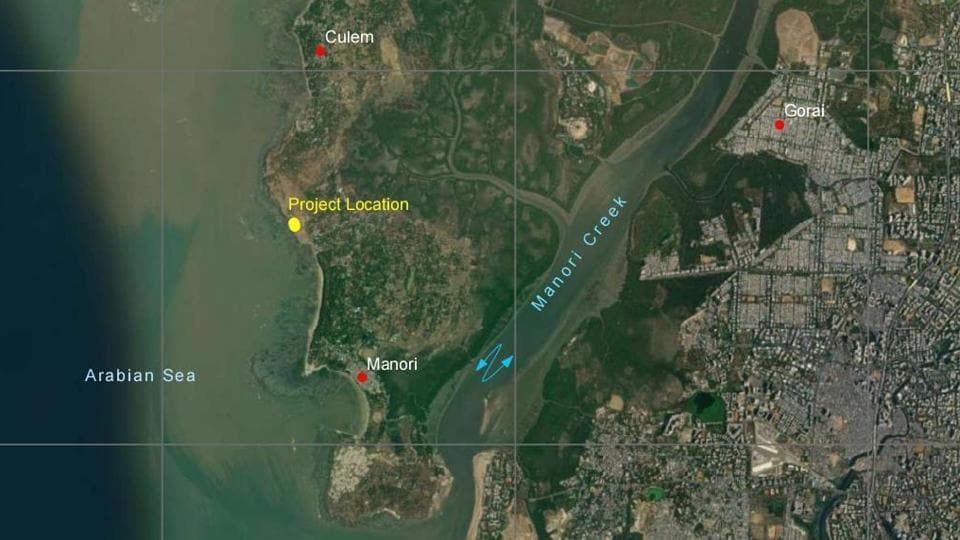
The rally, organised by the Gorai Machimar Sahakari Sanstha along with the National Fishworkers’ Forum and the Maharashtra Macchimar Kruti Samiti, will commence at 9am from the Madh coastline and culminate at Uttan chowk. It will highlight the concerns of fisher communities regarding marine ecology, fish breeding and brine discharge from the proposed plant, said Oldin Vasaikar, chairman, Gorai Machimar Sahakari Sanstha.
“The desalination plant will discharge brine into the sea, which will affect fish breeding and plankton growth. The marine food chain will be impacted and availability of fresh catch will reduce drastically, impacting the livelihoods of thousands of fisherfolk,” Vasaikar told Hindustan Times.
The desalination plant would also threaten small fish, which are likely to be pulled in when it draws sea water for desalination, Vasaikar said, citing the experiences of fisher communities in Chennai.
“Since a desalination plant has been operational in Chennai for several years, we spoke to fishermen there and learnt that livelihoods of people in six villages have been affected,” he said.
High impact
The proposed project comprises a 400 million litres per day (MLD) seawater reverse osmosis (SWRO) desalination plant. The plant will be developed in two phases of 200 MLD each, at a cost of ₹2,066 crore for the first phase and ₹1,371 crore for the second phase. Once operational, it will greatly augment Mumbai’s water supply, and help combat shortage, especially when the monsoon is lean.
The proposed project area includes four fishing villages – Manori, Gorai, Uttan and Madh – with a combined population of 15,362, according to the 2010 state marine fisheries census. The census recorded 3,779 people engaged in fishing and allied activities in Uttan and 1,688 in Manori.
The Environment Impact Assessment (EIA) report for the project, a copy of which is with HT, conceded that nearly 70% of the population in the project area was directly or indirectly dependent on fishing and allied activities such as boat and catamaran repairs, net weaving and fish trading. Mussel collection, lobster fishing, shore-seine fishing, deep-sea fishing and other fishing-related activities were also major occupations, the report said.
The EIA’s field assessment found approximately 200 motorised and 150 non-motorised fishing boats operating from Manori, while around 400 fishing boats were engaged in fishing activities from Uttan.
According to the EIA report, prepared by the Israel-based water treatment solutions firm IDE Technologies, the volume of brine reject discharged from the plant into the sea would be 300 MLD during phase I and 600 MLD during phase II. The brine reject would have a mean salinity of 56.8 practical salinity unit (PSU), compared with the ambient seawater salinity of 35.5 PSU at the proposed intake location – a difference of 21.3 PSU.
Though the EIA report said that the discharge would comply with standards stipulated by the Central Pollution Control Board (CPCB) and Maharashtra Pollution Control Board (MPCB), fisherfolk in the project area are not convinced.
“Our current catch will be affected. The discharged water will increase the salinity of seawater and could lead to fish dying,” asserted Vasaikar.
He also alleged that though the report claims that local residents had demanded the desalination plant, no such demand was made by the fisherfolk.
The fishing season generally begins on August 15 and continues until May 31. Fishermen usually land their catch directly on the beaches, but when the sea is rough, they use jetties at Uttan, Gorai and Manori. Their catch largely includes prawns, Bombay duck, mackerel, pomfret and sardines. Women also contribute significantly to the fishing economy, participating in fish-seed collection, sorting, prawn peeling, drying and selling fish in local markets, besides shore-based processing and net-making activities.

Stay updated with all the Breaking News and Latest News from Mumbai. Click here for comprehensive coverage of top Cities including Bengaluru, Delhi, Hyderabad, and more across India along with Stay informed on the latest happenings in World News.


