
 E-Paper



In the absence of elected officers, civic bodies to lose ₹7000 Cr funds
According to the guidelines of the 15th finance commission, of the mandated kitty, ₹2323 crore are for ULBs and the remaining amount is meant for RLBs. In the absence of elected bodies, the central government released only ₹2500 crore in FY 2023-24 which ends in the next three-and-a-half weeks


MUMBAI: As many as 286 urban local bodies (ULBs), including 29 municipal corporations, and 315 rural local bodies (RLBs) are likely to be deprived of ₹7000 crore allocated by 15th finance commission, which will impact basic amenities such as solid waste management, water supply and projects related to air pollution mitigation. The absence of elected bodies in corporations for many years has resulted in the disadvantage.
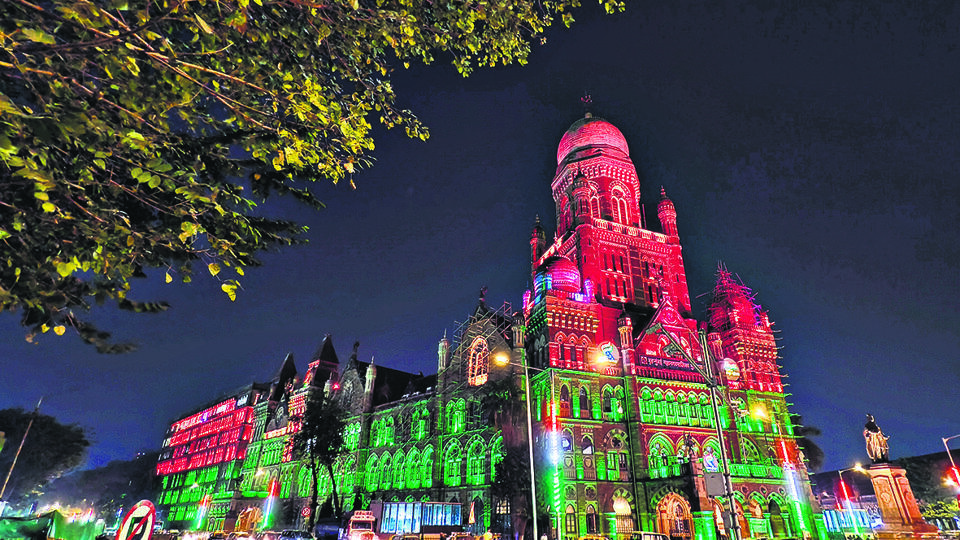
The elections in 29 municipal corporations, an equal number of nagar panchayats and 228 municipal councils could not be held for more than two years as several petitions are pending in the Supreme Court. Contentious issues being heard by the apex court are: a demand from OBCs for reservation in local bodies, allocation of a certain number of seats in municipal wards and demarcation of boundaries of wards, among others.
The finance commission’s funding to the urban and rural local bodies mandates for the existence of elected bodies for the release of funds.
According to the guidelines of the 15th finance commission, of the mandated kitty, ₹2323 crore are for ULBs and the remaining amount is meant for RLBs. In the absence of elected bodies, the central government released only ₹2500 crore in FY 2023-24 which ends in the next three-and-a-half weeks.
Maharashtra has 414 ULBs including 29 municipal corporations, 243 municipal councils and 142 nagar panchayats. Out of 385 RLBs, 34 are district councils and 351 panchayat samities. The central government has conveyed to the Maharashtra government that funds meant for these bodies will not be released.
“Some funds were partially allocated by the centre as some of the bodies had elected members until December last year. Now, more than 80% of the ULBs and RLBs are under administrators and in such a scenario it would difficult to get any fund from next year,” said an official from urban development department.
Both urban and rural bodies are largely dependent on the finance commission recommended funding to channel into basic amenity projects. “Apart from meeting basic needs such as water supply and solid waste management, electric buses running in Mumbai, Thane and Navi Mumbai were acquired from the Centre’s funds. We could have requested the Centre to release the funds if it were a matter of a handful of unelected bodies, but in this case all the bodies are run by administrators,” said an official from the finance department.
He also said corporations in cities such as Mumbai, Thane and Nagpur get by with their own sources of revenue -- from property tax, stamp duty registration etc, especially as these are real estate havens. Smaller cities have it rough, he said. “We have marked municipal corporations in two categories – the ones with less than 1 million population and others over 1 million; the funds are released in 60:40 ratio. Ten municipal corporations are in the first category and thereby better off, but the smaller cities and rural bodies get badly affected owing to the rejection of the proposals,” he said.


Stay updated with all the Breaking News and Latest News from Mumbai. Click here for comprehensive coverage of top Cities including Bengaluru, Delhi, Hyderabad, and more across India along with Stay informed on the latest happenings in World News.


