
 E-Paper



Pelagic birds land up on Mumbai’s shores, catch fancy of birders
Thanks to stormy weather and heavy rains, the birds are being swept towards land by the strong winds and delivered to Mumbai’s doorstep


Mumbai: Starting July 25, news of a rare occurrence spread like wildfire in the small bird enthusiast community in the city: pelagic birds, who spend a large portion of their lives on the open ocean, were being sighted on Mumbai’s coast.
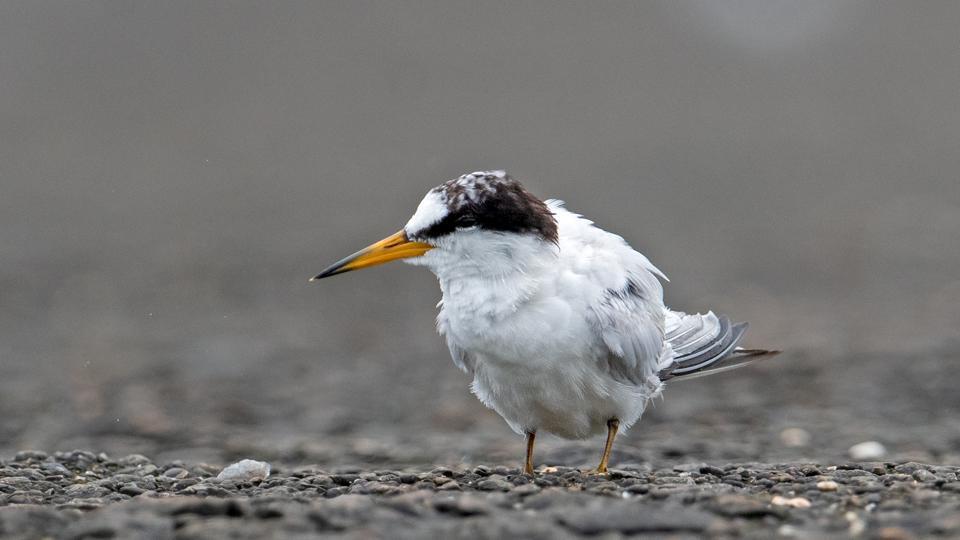
Under normal circumstances, getting a glimpse of these avians would require a boat ride 60 to 70km into the sea and an ounce of good luck. But thanks to the stormy weather and heavy rains, the birds were being swept towards land by the strong winds and delivered to Mumbai’s doorstep.
“Our group of 13 was one of the 10-15 groups of birders that went on a bird-watching hop on Sunday,” said Aseem Kothiala, a Santacruz resident who woke up at 5 am that day. “By 7 am, we had reached the Radio Club Jetty [in Colaba], from where we went to Sassoon Docks, Geeta Nagar, and then back, bird watching till 3 pm.”
Kothiala is part of a WhatsApp group of 400 bird enthusiasts, of which 250-300 are from the Mumbai-Thane region. When the news broke, nearly 100 people tried their luck almost immediately, with no intention of missing their chance at the rare sighting.
“While other birder communities might try to hide details of their sightings and keep them exclusive, the Mumbai birder spirit is different,” said Rakesh Dhareshwar, a Goa resident in the group. “People shared live sightings of the birds they’d seen along with the location so others could join them. The energy was so infectious that even I tried my luck, spotting a Great Frigatebird for the first time in the recorded history of Goa.”
According to Dhareshwar, pelagic birds—like Lesser Noddy, Brown Noddy, Lesser Frigatebird, Bridled Tern, Saunders’s Tern, and Masked Booby — are uncommon though not unexpected visitors to the Indian coast.
“There are always a few sightings in the monsoon. But this time, due to the weeks of continuous stormy weather, which means the winds across the ocean are even rougher, it is probable that more of them have reached the shore. In the excitement, there are also more eyes on the birds,” he said.
Pelagic birds are seen sporadically along the western coast of India, from Gujarat to Kerala, said Sunjoy Monga, an ornithologist. “For a few months in a year, they breed on far-off islands spread across. Some species seen in the Indian Ocean include the Noddys, Terns, Squa, Frigatebirds, and Boobys, among others.”
Some extreme bird enthusiasts also flew in from Delhi for the weekend pelagic watch, with more from other parts of the country on their way. “Twitchers, a type of birder, work on growing the list of bird species they have spotted,” said Kothiala, explaining the craze.
At their first spot, the Radio Club Jetty, Kothiala and gang spotted their first Pelagic bird of the day: a Bridled Tern. They then moved along, by 9 am, to Sassoon Docks, where they spotted a Lesser Frigatebird. Onto Geeta Nagar next, they came across a Saunder’s Tern. For the entire group, all these birds were “lifers”, meaning they had spotted them for the first time. Kothalia’s own bird count on spotting the three new species jumped from 1,003 to 1,006.
Others like him flaunted their lifer sightings online, with many posting on the ‘Share your bird lifers from India’ Facebook group. “What more can I ask for,” said one of the comments after coming across a squinty-eyed Lesser Noddy at the Sassoon Docks. One Arctic Skua was also reportedly seen at the Gateway of India in early July.
The flock of bird enthusiasts was also apparent on the eBird list of rare bird sightings in the past seven days: at least 60 Lesser Frigatebirds, 30 Lesser Noddy, 50 Bridled Tern, and 50 Saunder’s Tern sightings were reported in Mumbai, confirmed and unconfirmed. eBird is an online platform for birders to maintain records of their sightings.
As per Kothiala, there are 25-30 Bridled Terns, 4-5 Saunder’s Terns, 2-3 lesser Frigatebirds on Mumbai’s coast, with an additional 4-5 Lesser Noddy birds at Elephanta Caves. “One Brown Noddy was also spotted at Elephanta Caves, but he was dead,” Kothiala added.
As Mumbai does not feature in the bird’s charted flight path—for mating, the birds prefer deserted islands with scarce humans and other bird species—the birds landing upon the shores are stranded.
“Fighting the heavy winds is taxing for the birds, especially the older and younger ones. Many a time, they are found dehydrated and exhausted, and sometimes injured,” said Pawan Sharma from Resqink Association for Wildlife Welfare or RAWW, an NGO that rescues birds and other wildlife. “In some cases, the birds just need a safe passage so they can rest till the winds die down and the time is right to fly back.”
Not all are that lucky, though. Sharma said a Masked Booby was found on Gorai beach, the search for which is still on. Two Lesser Noddys found in Navi Mumbai died, one of which HT had reported about on July 16, despite being rescued by the NGO Wildlife Welfare Association (WWA).
However, the birds spotted by Kothiala were in generally good condition, possibly because of the advantages offered by Mumbai, with many boat resting spots nearby.
“The Saunder’s Tern seemed the most tired of them all and was resting on rocks, flying occasionally and then returning, as though it was recuperating. The rest were in great condition,” said Kothiala, who has already made plans to bird-watch again this weekend.


