
 E-Paper



SBTC cautions blood banks against excess collection, warns of FDA action
In a directive issued on December 26, the SBTC warned that blood banks found diverting surplus blood components to other states will face strict action, including cancellation of their licences

 Prefer HTon Google


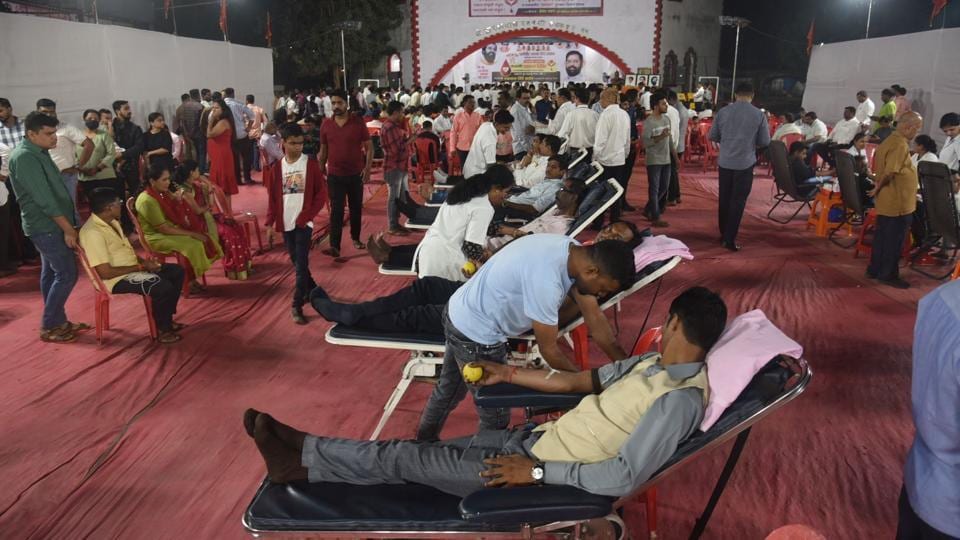
Mumbai: The State Blood Transfusion Council (SBTC) has cautioned blood banks against collecting blood beyond local requirements, particularly during donation drives in December-February. In a directive issued on December 26, the SBTC warned that blood banks found diverting surplus blood components to other states will face strict action, including cancellation of their licences.
“Blood collection must be based on the average distribution of the last three years in the city, district and nearby districts,” the directive issued by the SBTC said.
The council said that while blood donation camps are often organised in December-February to coincide with major festivals, it had found some blood banks deliberately collecting more blood than required, separating the components and transferring excess packed red blood cells and plasma to other states or plasma fractionation companies for profit.
“Such misconduct, including bulk transfer of excess blood, will invite strict action, including recommendation for cancellation of licences,” the SBTC’s directive said.
The council said it will monitor blood collection closely in the coming months and coordinate with the FDA to ensure compliance with the directive.
Meanwhile, officials from blood banks run by the Brihanmumbai Municipal Corporation (BMC) said government hospitals were suffering due to excess blood collection by private blood banks.
“Private blood banks email the SBTC saying they have excess stock. But when government hospitals ask for blood, it is never supplied to us. Instead, it is sold or transferred to other states,” a senior civic-run blood bank official at a BMC hospital told Hindustan Times, requesting anonymity.
Structural gaps and lack of component separation labs and related infrastructure at government hospitals worsen the problem, the official noted.
“The donor pool for both government and private blood banks is the same, and private banks often provide gifts and incentives to donors. Once a person donates (blood), they cannot do so again immediately. So aggressive private drives reduce availability for government hospitals,” he said.
Another civic blood bank official said high-volume collection in December-February often leads to wastage.
“Whole blood has a shelf life of 35 days. December collections expire in January, and fresh drives in January and February add even more stock,” the official said. “We have seen emails sent by private blood banks to the SBTC saying they have over 1,000 litres of blood in excess.”
Officials also flagged concerns around plasma trade, and alleged that private blood banks are incentivised to collect excess blood during these months due to rising demand and pricing for plasma components.
HT reached out to two private blood bank owners regarding allegations of excess collection. One declined to comment on the matter while another denied any wrongdoing.
“We do not collect excessive blood. We know our average requirement and only collect as much as needed,” the blood bank owner said, requesting not to be identified.
The situation
Jigar Kotecha, a haemophilia patient and secretary of the Haemophilia Society (Mumbai chapter), said, “Private blood banks charge very high rates when we need blood for any surgery, while government blood banks never have any stock. What is the use of people donating blood, if it is used wrongly?”

Stay updated with all the Breaking News and Latest News from Mumbai. Click here for comprehensive coverage of top Cities including Bengaluru, Delhi, Hyderabad, and more across India along with Stay informed on the latest happenings in World News.


