
 E-Paper



SC stays NGT’s directive to ED to investigate polluting industries at Tarapur MIDC
In an unusual move, the NGT had also asked the Enforcement Directorate (ED) to investigate the polluting industries under provisions of the Prevention of Money Laundering Act (PMLA)


Mumbai: The apex court on Wednesday stayed, until further notice, a January judgement by the National Green Tribunal (NGT) which fined 103 industries at Tarapur MIDC, in Palghar district, to the tune of ₹260 crore as environmental compensation for discharge of untreated and partially treated effluents into nearby creeks and rivers, leading to the Arabian Sea. This is almost double the amount.
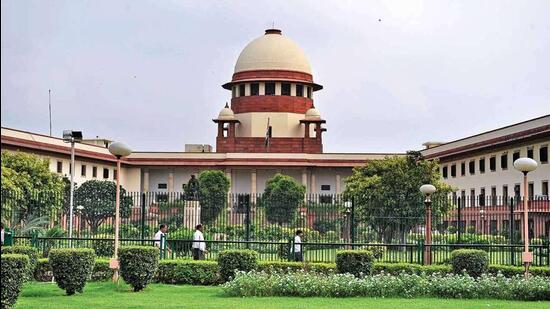
In an unusual move, the NGT had also asked the Enforcement Directorate (ED) to investigate the polluting industries under provisions of the Prevention of Money Laundering Act (PMLA).
However, in response to an appeal filed by JSW Steel- one of the allegedly polluting industries- the Supreme Court (SC) on Wednesday also stayed this direction.
Following the apex court’s order, JSW Steel’s legal counsel (Karanjawala & Co.) released a statement to the press, saying, “The present case relates to the environmental degradation that has occurred in the Tarapur Industrial Areas in Maharashtra. JSW Steel Coated Products Ltd. filed the appeal challenging the direction of the NGT directing the Enforcement Directorate (ED) to examine the matter for appropriate action, in the light of Prevention of Money Laundering Act, 2002... and the doubling of the amount of compensation determined by a committee appointed by NGT.”
In its final judgement, the NGT had revised the total amount of environmental compensation payable by the identified polluting units to ₹262 crore, up from ₹160 recommended by a court-appointed expert committee in June 2020.
The PMLA was initially enacted to cover terrorist activities and illegal trafficking of narcotics, among a limited set of statutes. In 2012, the law was amended to cover violations of environmental statutes, specifically under the Environment Protection Act, Air Act and Water Act. The amendment has been in effect since February 2013, but more than eight years after the fact the ED has yet to initiate any action against violators committing environmental offences, the bench remarked, pointing out that offences under the PMLA are cognizable offences, unlike those under Environmental Acts.
Shyam Divan, a senior advocate who appeared for JSW Steel, argued that the doubling of compensation as directed by the NGT was “arbitrary and unwarranted”.
He also argued that the amendment in PMLA Act and alleged offences against JSW Steel Coated ceased in 2012, with the installation of Multi-Effect Evaporator (MEE) system at the company’s unit in Tarapur.
MEEs are commonly used technology to treat effluents from textile, pharmaceutical, automobile, chemical, and dyeing industries. “Thus, the provisions of PMLA cannot be made applicable to JSW Steel Coated Products Ltd.,” Karanjawala & Co. said in a statement Wednesday.
Dhwani Shah, an independent environmental researcher working with affected communities in and around Tarapur MIDC, said this development was “unfortunate”, and pointed to the detailed account of environmental and public health damage in the area as detailed in the NGT’s final judgement.
“The industries at Tarapur MIDC have been polluting the environment for years. While the judicial system has looked into the matter, the companies are still fighting cases over the fine amount. This is not enough to fix the real issue. Our resources are limited, and the industries along with the government should take an extra effort to restore the environment and stop polluting the creeks. Instead, mere calculations of the amount of fine is taking up all their time and energy. The real solution, which is decentralised zero liquid discharge systems and 100% recycling of treated effluents, needs to be implemented at the earliest.”
Stay updated with all the Breaking News and Latest News from Mumbai. Click here for comprehensive coverage of top Cities including Bengaluru, Delhi, Hyderabad, and more across India along with Stay informed on the latest happenings in World News.


