
 E-Paper



Why are 30,000 kaali peelis off our roads?
Those who exited the city during pandemic have not returned; fuel prices and competition from app-based cabbies are setbacks

 Prefer HTon Google


Mumbai: The black and yellow cabs, popularly called kaali peelis, have dotted Mumbai’s urban landscape since 1911: an essential mode of transport for commuters, many stories have also unfurled within their confines, celebrated in real and reel lives.
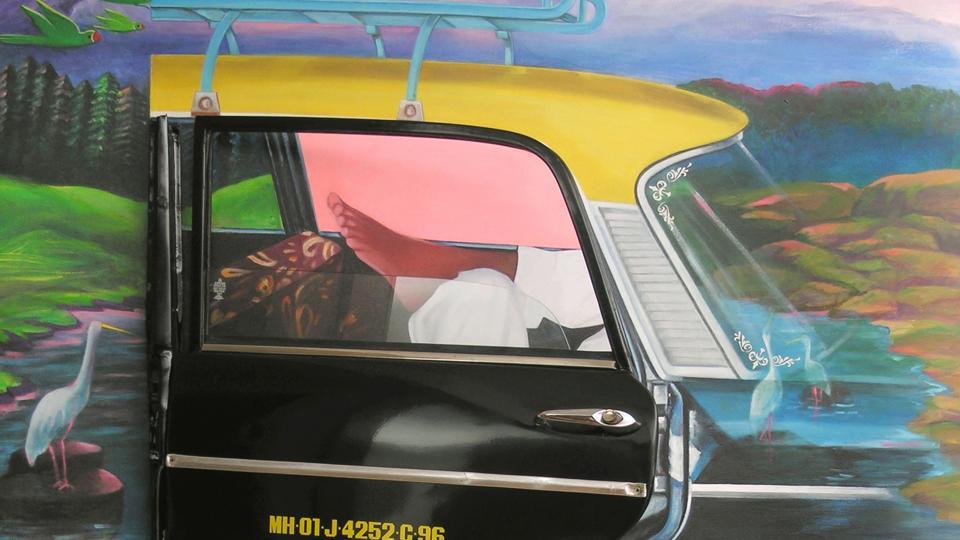
The friendly cabs are a rare sight on the roads today. Despite the city returning to normalcy post pandemic, around 30,000 kaali peelis continue to be off the roads. On any given day in pre-Covid time, 48,000 taxis would run in the city. The number has dropped to around 18,000.
Dadasaheb Bajirao, 77, has found it hard to find a driver for his taxi for the last nine months. The driver who drove his Santro pre-Covid, exited the city during lockdown and has not returned from his birthplace, Uttar Pradesh. Bajirao cannot drive given his failing eyesight. As a result of this, his taxi lies abandoned on a road in Wadala.
“Transfer of permit involves a lot of paperwork and no one is keen on owning a kaali peeli anymore. I was happy earning a small amount every month by renting out the taxi but lately, it’s been a tough task finding a driver,” said Bajirao, who stopped driving his taxi seven years ago. “I manage to survive because both my children are earning well. But there are many households who depend on earning from their taxis.”
Like Bajirao, the taxis of many permit-holding owners lie abandoned and unused due to a lack of drivers, fuelled by their exodus; many have not returned.
Members of taxi unions said the pandemic forced many drivers to look for other opportunities in their native villages, leading to a dearth of drivers in the city. Additionally, increase in fuel prices and high rentals also translated into meagre earnings for drivers.
Babu Jadhav, a driver, paid ₹400 as rent and ₹500 on CNG daily. At the end of the day, he would manage to save an average of only ₹250 daily. “As I could not manage to survive the pandemic with the meagre savings, I headed to my native village Kolhapur and started farming. The income here is sufficient for our basic needs, and I get to be with my family. I have no additional overheads to worry about either,” said Jadhav.
Drivers switching to app-based aggregator taxis has also impacted the numbers. “Around 5500 drivers must have shifted to taxi aggregators. There are around 4000 taxi owners who are widows – their husbands passed away and the vehicle ownership is now transferred to their wives. They are also looking for drivers to maintain and run their vehicles,” said A L Quadros, general secretary, Mumbai Taximen’s Union.
Another reason for the shortfall is the fact that the last bulk permits were issued in 1998, following which only 450 permits were issued in 2017. “All those who were granted permits in 1998 are senior citizens now. They are probably not fit to drive or have health concerns,’ said Quadros. “Currently drivers of kaali peelis are above 40. Youngsters are not keen on driving taxis anymore or prefer the app-based taxi aggregators.”
Many taxis seen lying abandoned on both sides of roads in Bandra and Wadala belong to drivers who lived in Dombivali, Virar and Nalasopara areas but drove in South Mumbai. They lost their lives during the pandemic.
At 64, Taluram Vishwakarma continues to drive his taxi regularly. “I have been driving since 1984. The fuel prices have sky-rocketed, adding to expenses that impact on our overheads – every vehicle requires repair at least twice a year. Although I drive my own vehicle, it is difficult to find a passenger that travels a distance to cover our fuel expenses. If a traveller goes from Colaba to Bandra and I do not find a fare on my return journey to Colaba, the fuel I will waste on this trip will add to my expenses,” said Vishwakarma.
There were around 20,000 kaali peelis in the city in the 1970s. In 1999, at 63,000, the city boasted the maximum number of cabs – this was also a time when the fleet mostly had Premiere Padminis. This brand of cars started exiting the fleet in the early 2000s, with newer ones replacing the fleet.
In 2003 all taxis switched from petrol to CNG. Today, the rising prices of CNG and the low fare hike are compelling many drivers to refuse short trips.
Since 2012, Kumar Desai, 55, has been driving a taxi, taken on a 15-year lease. The Parel resident spends around ₹10,000 monthly on CNG that helps him drive around 2000 kilometers. “Maintenance of our vehicles, insurance and other sundry expenses set us back by ₹50,000 every year. Before the pandemic we saved around ₹1500 daily, which has come down by 50 per cent after the lockdown was lifted. We hardly manage to save ₹700 daily,” said Desai, who spent ₹22,000 on basic maintenance and repairs soon after the lockdown was lifted.
The shortfall of the traditional cabs is a setback for commuters as well. As Chaitali Sarfare, 38, a regular traveller to Nariman point from Chhatrapati Shivaji Maharaj Terminus said, “For the longest time it was difficult to find a driver that would agree on a trip. Now it’s a struggle to find a taxi itself.”
Experts feel that kaali peelis will soon slip into the realm of nostalgia, despite competition in the market. Yatin Pimple, assistant foreman, who is in-charge of Brihanmumbai Electric Supply and Transport (BEST) museum, said, “There is enough competition for kaali peeli taxis as application-based taxi aggregators charge less than the fixed fares. On the other hand, travelling a basic distance on a BEST bus will set the commuter back by ₹5 and ₹6 for air-conditioned buses. These are cheaper options, as taxis aren’t affordable and many drivers refuse to ply short distances. This has also led to the decrease in demand.”
Nitin Dossa, chairman of Western India Automobile Association, said, “The kaali peelis have to survive since they are iconic for the city. Apart from Kolkata, Mumbai is the only city in the country that still has this fleet.”
Dossa felt the owners of these cabs need to revive themselves and offer tough competition to app-based cab aggregators. “For this, the drivers need to be trained well to avoid bad behaviour, attitude and follow road safety. Only when refusals stop will people show interest in these cabs. These days app-based taxi aggregators are also refusing rides – this is an appropriate time for kaali peelis to bounce back,” said Dossa.
BOX
Cabs on road
Year - Fleet
1970 - 20,000
1999 - 63,000
2019 - 48,000
Licence to drive
1983 – Permits was stopped; there were already 28,000 vehicles on road
1994 – Permits were issued again
1998 – Last permit issued
2017 – Permit issued for a brief span (450 issued) and closed again


