A project to deploy 500 electric buses across Noida, Greater Noida and the Yamuna Expressway region has been delayed after authorities flagged “serious practical concerns” over inducting hundreds of buses all at once, officials said on Tuesday. The project worth ₹675 crore is now awaiting a decision from the Uttar Pradesh government on whether to cut the fleet size by half or revise the tender to permit a phased roll-out.
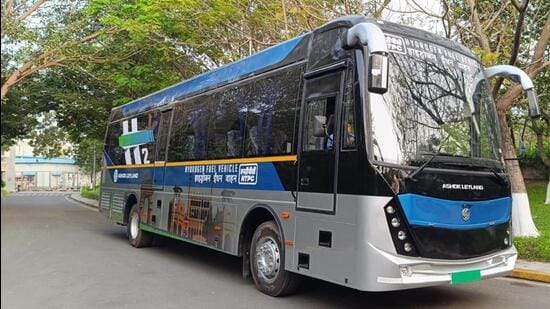
The chief executive officer of the Greater Noida authority, Ravi Kumar NG, said, “Instead of starting with 500 e-buses, we will start this project with a few buses initially. Once the project is successful and as per the demands of the users then the number of buses will be increased.”
The project was expected to start six months ago, however, the authority’s officials have raised “serious practical concerns” about inducting 300 buses in Noida and 100 each in Greater Noida and Yeida at once. Given the lack of depots, inadequate charging infrastructure, and pending route approvals, they fear the system cannot handle such a large fleet.
Futhermore, proposed Special Purpose Vehicle (SPV), the GBN Green Transport Limited, meant to jointly run the service with the Authority, has not been operationalised. Without the SPV, authorities cannot finalise routes, sign contracts or make financial commitments.
“Managing this volume in one go is not feasible. We have advised the government that the rollout should be phased and aligned with realistic demand,” said another official.
{{/usCountry}}“Managing this volume in one go is not feasible. We have advised the government that the rollout should be phased and aligned with realistic demand,” said another official.
{{/usCountry}}Over six months ago , two operators were selected under a 12-year gross cost contract for supplying, operating and maintaining the buses. But, officials said, the government will now have to decide whether to modify the existing tender to allow a smaller initial fleet or scrap it and invite fresh bids.
“Formal approval from the government is essential. The authorities have reviewed their updated requirements and will convey them to the state,” an official.
Even if procurement begins, infrastructure gaps remain a major hurdle. Noida lacks functional charging stations, while Greater Noida and Yeida do not have depots, said officials.
Proposed terminals in Sector 82 and Sector 91 need charging facilities, and Botanical Garden will require upgrades before it can support electric buses. Without a basic depot–charger network, officials say, even a partial roll-out is not possible.
A revised assessment of demand is underway. One plan being discussed proposes starting with around 50 buses in Yeida, 15 in Greater Noida, and a smaller fleet in Noida, with the numbers increasing gradually as ridership builds and infrastructure expands.
The annual Viability Gap Funding (grant provided by government) for the full 500-bus fleet is estimated at ₹225 crore, with the Noida authority alone expected to contribute over ₹107 crore.
Stay updated with all the Breaking News and Latest News from Mumbai. Click here for comprehensive coverage of top Cities including Bengaluru, Delhi, Hyderabad, and more across India along with Stay informed on the latest happenings in World News.
Stay updated with all the Breaking News and Latest News from Mumbai. Click here for comprehensive coverage of top Cities including Bengaluru, Delhi, Hyderabad, and more across India along with Stay informed on the latest happenings in World News.