
 E-Paper



Officials extend Sultanpur shutdown for one month after deaths in Delhi zoo
The wildlife officials decided to extend the closure of Sultanpur National Park from a week to a month. This move came after three pelican deaths were reported from the Delhi Zoo on Friday.


The wildlife officials decided to extend the closure of Sultanpur National Park from a week to a month. This move came after three pelican deaths were reported from the Delhi Zoo on Friday.
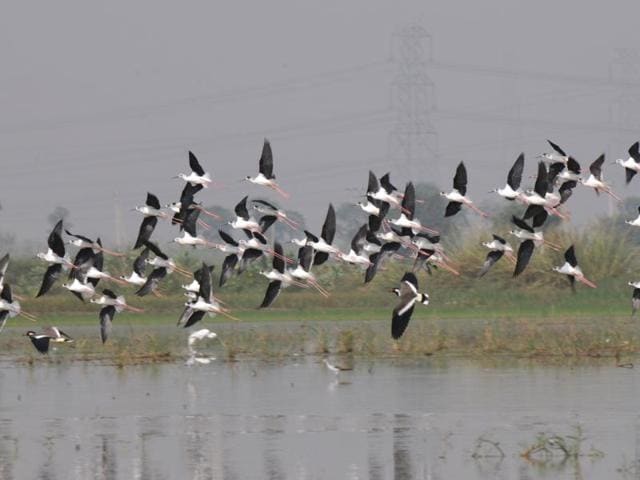
Following the bird flu scare in Delhi and neighbouring Hisar, authorities at Sultanpur National Park had, on November 5, shut down the park for a week.
Though no casualties were reported from Sultanpur Bird Sanctuary, which is 15km away from the city, wildlife officials said they took the decision as a precautionary measure.
“As more deaths of birds were reported from Delhi, we decided not to reopen the park for a while,” said Shyam Sunder Kaushik, divisional wildlife officer, Gurgaon.
After samples of dead birds from a Haryana Tourism resort in Hisar district tested positive for avian influenza (H5N1), around 150 ducks were culled in the area to prevent the spread of bird flu. This condition propelled the authority to shut down the park.
“We have not come across any dead or sick bird in the park, however, with a view to provide safe enclosure and avoid any untoward situation, the park will remain shut for a month,” said Kaushik.
In January 2015, as many as 47 migratory birds died under mysterious circumstances at the park. This prompted the authorities to shut the park for 10 days.
The chances of spreading of the flu is higher in the park as a large number of migratory birds arrive at the sanctuary with the advent of winter from various parts of the world.
At present, the park has blackwinged stilt, pond heron, pied kingfisher, purple heron, shoveller, whitebreasted waterhen, whitebreasted kingfisher, munia, rosy pastor, drongo, ring dove, blue capped rock thrush, canary flycatcher and prinia, among others.
Sultanpur National Park has become an ideal habitat for birds and more than 30,000 birds visit the park for resting and feeding each year.
.


