
 E-Paper



42 sites in Pune city shortlisted for free Covid vaccine shots
The administration has begun preparation to add more vaccination sites, crowd management, adverse effects following immunization (AEFI) management and also check internet connectivity as the government hospitals, private health facilities gear up to give jabs to senior citizens and 45-years and above with comorbidities from next month


The administration has begun preparation to add more vaccination sites, crowd management, adverse effects following immunization (AEFI) management and also check internet connectivity as the government hospitals, private health facilities gear up to give jabs to senior citizens and 45-years and above with comorbidities from next month.
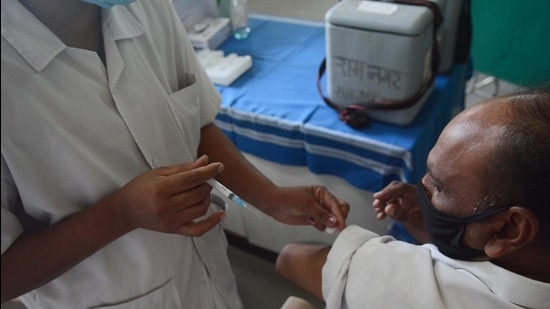
Dr Ashish Bharati, health chief, PMC, said, “We have shortlisted about 42 session sites only for free shots at government centres in Pune city. We are now checking for internet connectivity, room space, AEFI management and in case the referral hospital is located far away in case of any AEFI we will not consider that centre.”
For those willing to get the vaccine at private centres, each dose is likely to cost ₹250 at the session site. About 12 lakh vulnerable people are likely to be vaccinated in the city.
As per the order issued by the central government to states, that as per the Co-WIN 2.0 meeting chaired by chief executive officer (CEO) National Health Authority and Union Health Secretary held on Friday, it was said that the service charge to be recovered from private hospitals acting as Covid vaccination centre would be subject to the ceiling price of ₹100 per person per dose. Besides, private hospitals will recover ₹150 per person per dose as the cost of the vaccine. So each beneficiary would have to pay ₹250 per dose per person. As recommended for maximum efficacy each person has to take two doses and so as per the current order, the vaccination would cost the beneficiary ₹500.
As per the central government guidelines, the phase two vaccination centres must be government health facilities such as primary health centres, community health centres, Ayushman Bharat health and wellness centres, sub-division hospitals, district hospitals and medical college hospitals. All private hospitals empanelled under Central Government Health Scheme (CGHS), Ayushman Bharat- Pradhan Mantri Jan Aarogya Yojana (AB-PM JAY) and similar state health insurance schemes.
The private health facilities must have adequate space for the vaccination process, basic cold chain equipment for storing the vaccine vials, have their team of vaccinators and staff and adequate facility for management of any AEFI cases. Although the guidelines also talk about advance self-registration, on-site registration and facilitated cohort registration, the local authorities and the possible private hospital still await more details.
Dr Avdhut Bodamwhad, medical superintendent, Ruby Hall Clinic, which is one of the empanelled MPJAY hospitals, said, “We are yet to get any specific information about opening up our session sites for the vaccination of the general public. We currently have two of the four-session sites active, but we can open all four if the state permits.”
“We are currently vaccinating frontline workers and our staff as we have about 3,000 people. We are awaiting more details,” he said.
Dr Bharati said, “It is possible that the first few days beginning from March 1 would be for a dry run like the ones we had during the first phase. This could delay the ongoing phase-one vaccination. The state has promised no shortage of vaccines.”
States and Union Territories have been asked to keep a vaccination scale-up plan ready which will include the granular weekly and fortnightly plans for scaling up the vaccination sites both within the government and private facilities and also the number of vaccine doses administered.


