E-Paper



60 govt vehicles fined for no PUC, full compliance ordered, NGT told
Delhi's transport department has fined 60 government vehicles for lacking valid Pollution Under Control certificates, enforcing stricter compliance measures.


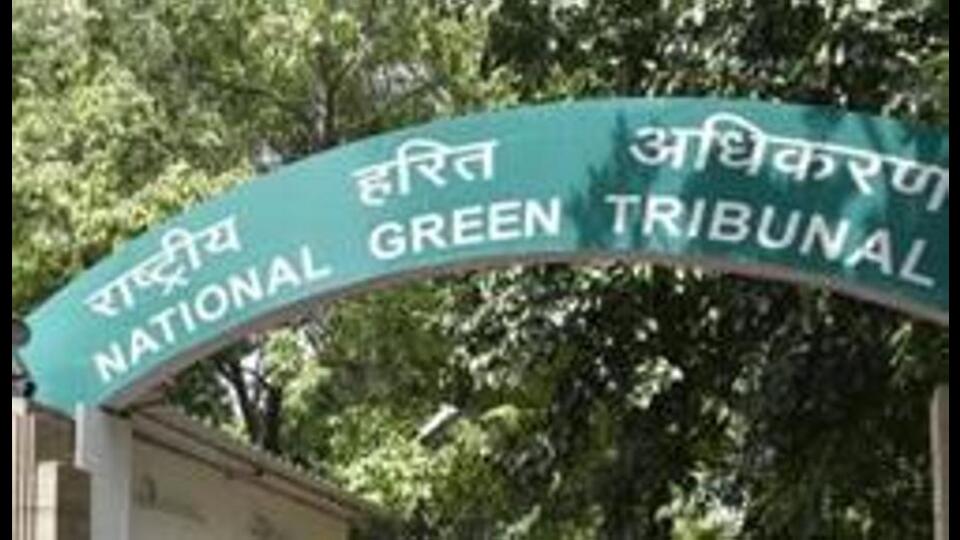
New Delhi: The Delhi transport department has informed the National Green Tribunal (NGT) that it has challaned 60 government vehicles found plying without valid Pollution Under Control (PUC) certificates.
The transport department also told the tribunal that it was taking internal measures to tighten compliance across its own fleet through a fresh directive – which directs all government bodies to ensure PUC is periodically assessed and renewed.
In a submission dated April 7, the transport department said, “Action has been taken against erring vehicles, and challans have been issued to 60 vehicles without a valid PUC.”
The NGT was hearing a plea filed in 2024 by BJP MLA Jitendra Mahajan, alleging that authorities tasked with enforcing the Graded Response Action Plan (GRAP) – a short-term pollution-mitigating measure – were themselves in violation, with a large share of government vehicles either overage or non-compliant.
The latest disclosure comes months after the transport department, in last September submission, had flagged widespread non-compliance within its own fleet.
As of June 2025, 12,399 of Delhi’s 30,995 registered government vehicles (excluding EVs) did not have a valid PUC certificate, the government had said. Acting on this, the tribunal last October directed the Delhi government to place on record the status of PUC certificates of its vehicles, along with details of renewals.
The government said it has issued a circular on April 7 mandating strict adherence to emission norms for all official vehicles – whether government-owned or hired.
“No vehicle without a valid PUC certificate shall be deployed for official duty. Departments shall ensure the timely renewal of PUC certificates and maintain necessary records in this regard. All departments are directed to ensure compliance and obtain or renew a valid PUC certificate for all such vehicles by April 10. The head of department concerned will ensure strict compliance with these instructions,” it stated.
Last December, the government had also come up with a ‘no PUC, no fuel’ policy, with the same to remain in enforcement this year.