E-Paper



AAP jumps in to Odisha opposition fray amid BJP-BJD seat-sharing deals
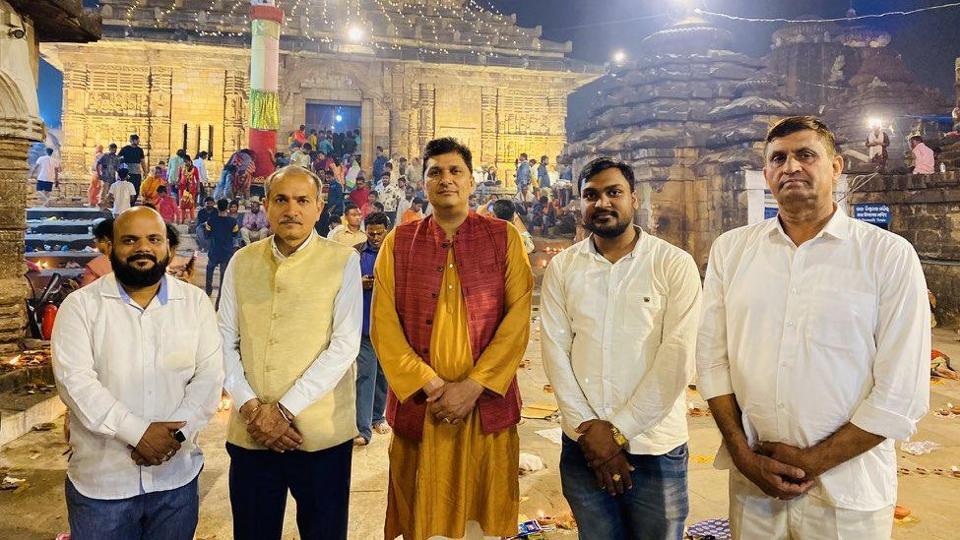
Delhi minister and senior AAP leader Saurabh Bharadwaj, who has been camping in Odisha for the last two days, said that he was sent by Delhi chief minister and party’s national convenor Arvind Kejriwal to assess the fast-developing political situation in the state

 Prefer HTon Google


Amid the negotiation between the Bharatiya Janata Party (BJP) and the Biju Janata Dal (BJD) for the 21 Lok Sabha seats and 147 assembly seats in Odisha for the upcoming polls, the Aam Admi Party (AAP) on Saturday said it is open to welcoming dissident leaders from both the parties as it tries to grab the opposition pie.
While the BJP and the BJD are giving last minute touches to the seat-sharing deal, it is facing hiccups with the BJP rank and file in Odisha pushing back hard against it with state president Manmohan Samal saying the party will fight it alone. Many senior leaders of the party are against the seat-sharing deal which they feel would hamper the party’s growth.
The AAP, which had a disappointing performance in 2019 Lok Sabha and Assembly polls in the state, however, seems to be ready to exploit the opposition space that is likely to open up before the polls. In 2019 Lok Sabha and Assembly elections, all its candidates had forefeited their security deposits.
Delhi minister and senior AAP leader Saurabh Bharadwaj, who has been camping in Odisha for the last two days, told HT that he was sent by Delhi chief minister and party’s national convenor Arvind Kejriwal to assess the fast-developing political situation.
“This is an unnatural alliance which is happening at the top level due to certain extra-political reasons. People can see through this. People can see some sort of compromise happening between the two parties (BJP and BJD) due to reasons which are not in public. So, there would be a lot of dissatisfaction among cadres, candidates and rank and file of both the parties. We would welcome people from both the parties who are not satisfied with their respective parties to join us,” said Bhardwaj.
Bhardwaj said things are changing fast in the state over the alliance talks between the BJP and the BJD. “As the two parties have been traditionally against each other, they will leave a lot of Opposition space vacant after coming together. But people on the ground, their leaders and volunteers of both the parties are very uncomfortable with the alliance. We feel that things look good for us in Odisha,” he said.
He said like Delhi, where the party is giving free electricity, free water, free bus rides for women and free pilgrimage for old people, the AAP would promise the same to people of Odisha in its election manifesto. “The AAP’s approach to people is very beneficiary-centric and people-centric. We believe that the government should be a welfare government. We believe our policies would be lapped up by the middle class and low-income group people of Odisha,” he said.