
 E-Paper



After PM Modi bats for UCC, AIMPLB decides to oppose proposed law more strongly
The views put forth by PM Modi on Tuesday were in sync with the affidavit filed by the Union ministry of law in the Supreme Court a few months ago.

 Prefer HTon Google


LUCKNOW
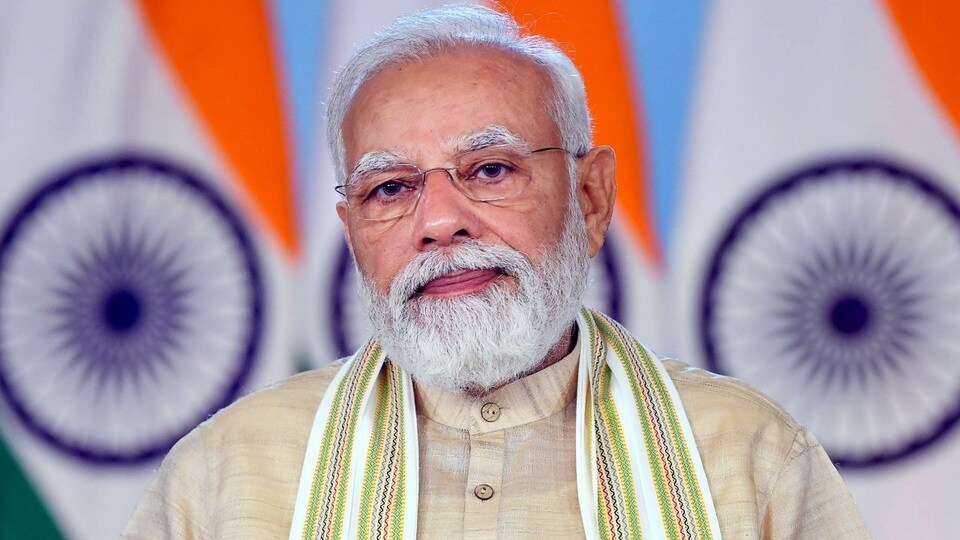
Hours after Prime Minister Narendra Modi advocated for the nationwide implementation of the Uniform Civil Code (UCC), the All India Muslim Personal Law Board held an emergency online meeting late on Tuesday evening. During the meeting, the Islamic personal law body decided to oppose the proposed law, which seeks to formulate and implement a set of common personal laws for all the citizens of India regardless of their religion, caste, and creed.
During the online meeting -- attended by AIMPLB president Saifullah Rehmani; Maulana Khalid Rasheed Farangi Mahali, chairman of Islamic Centre of India and member of AIMPLB; AIMPLB lawyers; and among others -- the Muslim body agreed on presenting its views more powerfully in front of the Law Commission. At the meeting, the documents to be submitted to the Law Commision were also finalised.
The views put forth by PM Modi on Tuesday were in sync with the affidavit filed by the Union ministry of law in the Supreme Court a few months ago. The affidavit said that “citizens belonging to different religions and denominations following different property and matrimonial laws is an affront to the nation’s unity”.
Reacting to the PM’s viewpoint on UCC, Maulana Khalid Rashid Farangi Mahali told HT, “AIMPLB will oppose the Uniform Civil Code tooth and nail. We are chalking out a strategy to counter the proposed move of the government by presenting our view in front of the law commission more powerfully. All prominent Muslim leaders of the country were present in the online meeting held on Tuesday.” He added, “For the past several years, politicians have been raising the issue of the Uniform Civil Code just before the elections. This time too, the issue has come up before 2024 elections.”
Maulana Khalid further said, “I have always said that the UCC is not only going to affect the Muslims but also the Hindus, Sikhs, Christians, Jains, Jews, Parsis and other miniscule minorities living in the country. India is a country where language changes at every 100 km. So, how can we have the same set of rules for all communities. Every community has a different way of praying, performing rituals and conducting ceremonies like marriage. The freedom to practice one’s own faith and way of life is granted to everyone by the Constitution.”


