E-Paper



Armed police constabulary to guard Similipal Tiger Reserve in Odisha
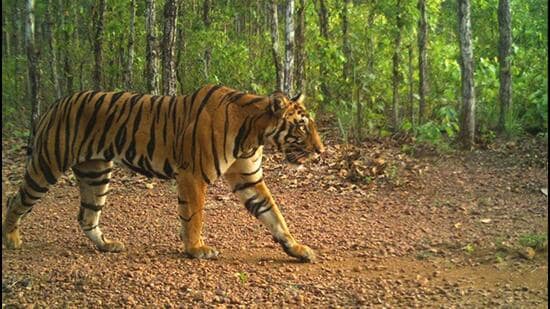
The Similipal Tiger Reserve, spread over 2,750 sqkm with a core area of 1,194 sqkm, is the largest tiger reserve in the state and the fourth largest in the country.


The Odisha forest and environment department has decided to deploy a dedicated company of armed police constabulary in Similipal Tiger Reserve in Mayurbhanj district to strengthen protection measures against poaching and wildlife crimes, officials said on Thursday.
According to a notification issued by Satyabrata Sahu, additional chief secretary of Odisha forest and environment department, the government has assigned one company of Armed Police Reserve (APR) Force and created 131 posts of different categories to be deployed in Similipal Tiger Reserve.
The company will include 87 sepoys, 30 havildars, three driver havildars, three assistant sub-inspectors (armed), three sub-inspectors (armed), one inspector (armed), one assistant commandant (armed) and three drivers and report to the superintendent of police of Mayurbhanj.
The Similipal Tiger Reserve, spread over 2,750 sqkm with a core area of 1,194 sqkm, is the largest tiger reserve in the state and the fourth largest in the country. According to the state government’s estimate done between 15 October 2023 and 10 February 2024, there are currently 27 tigers in the reserve.
Like Similipal, Assam had in 2019 started the ‘Special Rhino Protection Force’ (SRPF) for the protection of one-horned rhinoceroses in Kaziranga National Park.
The armed force will be part of the joint task force, notified by the forest department last year, following the killing of two forest frontline workers by alleged poachers.
Officials of the tiger reserve said though the state government had deployed a company of around 100 armed police personnel along with forest officials in the tiger reserve following notification on the formation of a joint task force in August 2023, the police force was withdrawn during the time of general elections and never stationed back after that citing lack of notification for creation of a separate force.
“The armed constabulary would help us tackle the armed poachers in the buffer area of the reserve which was becoming difficult to control by the forest officials,” said Prakash Chandra Gogineni, field director of the tiger reserve.
Since last year, the ground staff of the tiger reserve have been armed with 9mm pistols, 5.56mm Excalibur assault rifles, 5.56mm INSAS rifles and 12-gauge pump action guns after two frontline staff of the forest department were killed by poachers.
Forester Mathy Hansda, 45, was shot dead by the poachers inside the tiger reserve during an exchange of fire while patrolling on the night of June 16, while forest guard Bimal Kumar Jena, 40 was gunned down in the core area of the reserve on May 22. The state also amended section 197 of Criminal Procedure Code to give immunity to forest staff for using firearms.
The officials have also started using AI-enabled cameras to track poachers with 100 such cameras installe in south and north Similipal that can identify human and animal movement within their range and click their pictures stealthily.
The AI-enabled trail-guard cameras capture the poachers’ images in real time, following which the ground personnel arrest them. Around 30 poachers and individuals involved in hunting and other forest offences have been arrested in the reserve with the help of AI cameras. Around 25 firearms have been seized.