E-Paper



Assam polls: Decide between illegal immigration and identity, Himanta Biswa Sarma tells voters
Citing the 2011 Census, the CM claimed that people with origins in East Pakistan could account for 40% of Assam’s population by the 2027 Census.

 Prefer HTon Google


Assam chief minister Himanta Biswa Sarma on Monday said voters must decide in the coming assembly elections whether they want a government that “surrenders” before illegal immigrants or one that protects the state’s identity and culture.
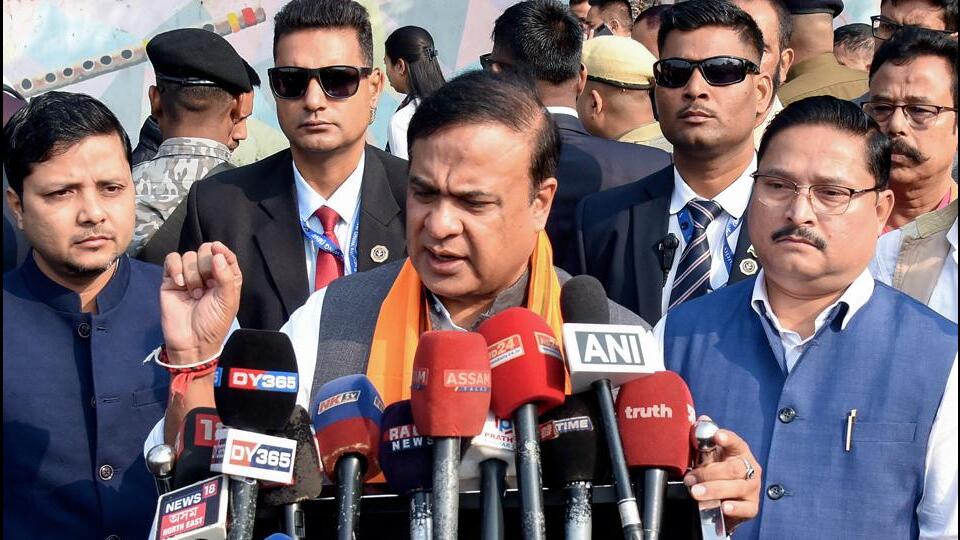
Addressing the 77th Republic Day celebrations in Dibrugarh, Sarma said people also had to choose between a past marked by bomb blasts, protests and fear, and a present focused on peace and development. He said earlier Republic Day and Independence Day celebrations in Assam were held amid boycott calls, threats of violence and the sound of guns, but such fears no longer exist.
“Now, these celebrations are held under a sky of equality, unity and the victory march of development,” he said.
Sarma said Assam’s development was not limited to infrastructure. “Assam’s development isn’t just about better roads; it is also about protecting our identity,” he said, adding that the presence of Muslims with origins in East Pakistan (now Bangladesh) has raised “serious questions” about social life in the state.
Citing the 2011 Census, Sarma claimed that people with origins in East Pakistan could account for 40% of Assam’s population by the 2027 Census. “Hindus have become a minority in 12 of the state’s 35 districts,” he said, adding that 6.3 million bighas (over 2.09 million acres) of land were under illegal occupation.
He said eviction drives since 2021 had freed more than 1.5 lakh bighas (around 49,500 acres) of encroached land. Sarma also referred to the Supreme Court upholding provisions of the Immigrants (Expulsion from Assam) Act, 1950, saying the state now empowers district authorities to push back illegal foreigners within 24 hours without approaching foreigners’ tribunals.
“We are routinely using this provision to expel illegal immigrants,” he said.
The chief minister also highlighted measures taken by his government, including drives against child marriage, legislation banning polygamy, UNESCO World Heritage status for the Charaideo Maidams, curbing poaching of one-horned rhinos and other developments over the past five years.
“In a few days, people will elect a new government. They must decide whether they want an Assam of blasts and protests or an Assam of education, culture and development, including a semiconductor facility,” he said.
“People have to decide whether they want a government that surrenders to those who came from Bangladesh for votes or one that works fearlessly to protect Assam’s identity and culture,” Sarma added.
Assembly elections in Assam are due in March–April, with the Election Commission expected to announce the schedule by the end of February.