
 E-Paper



Chhattisgarh HC upholds acquittal in 2010 Tadmetla massacre case
The bench dismissed the state govt’s acquittal appeal and upheld the 2013 trial court judgment acquitting ten accused in the case related to the April 6, 2010 attack in Tadmetla forest

 Prefer HTon Google


The High Court of Chhattisgarh has upheld the acquittal of all accused in the 2010 Tadmetla massacre case, observing that the prosecution failed to produce legally admissible and reliable evidence linking the accused to the killing of 76 security personnel in one of the deadliest Maoist attacks in the country.
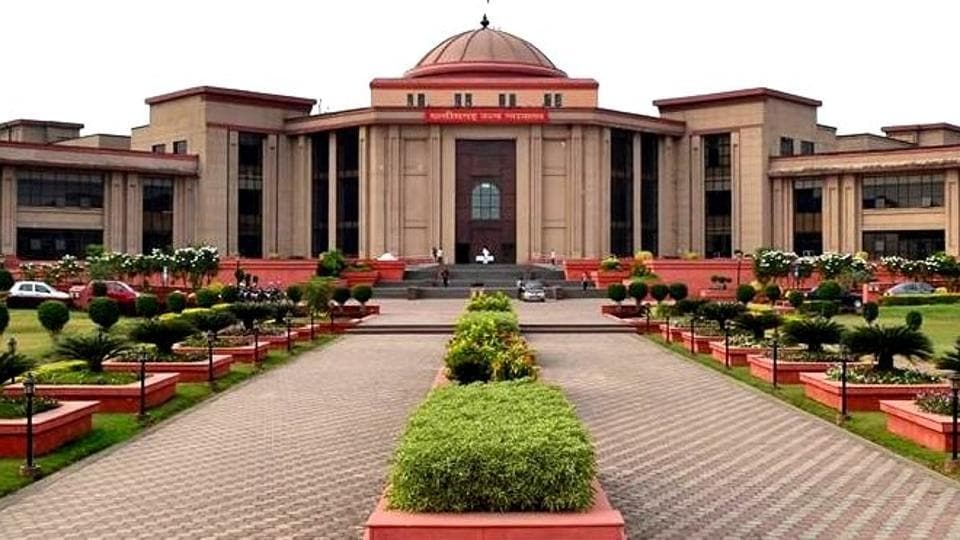
A division bench of Chief Justice Ramesh Sinha and Justice Ravindra Kumar Agrawal dismissed the state government’s acquittal appeal and upheld the 2013 trial court judgment acquitting ten accused in the case related to the April 6, 2010 attack in Tadmetla forest of Sukma district.
According to the prosecution, a joint team of Central Reserve Police Force (CRPF) and state police personnel was on an area domination operation between April 4 and April 7, 2010, when Maoists allegedly ambushed the force near Tadmetla village. The attack left 75 CRPF personnel and one state police personnel dead. The attackers were also accused of looting weapons and planting explosives in the area.
The state had challenged the acquittal order passed by the additional sessions judge (ASJ), South Bastar, Dantewada, arguing that the trial court failed to properly appreciate the confessional statement of one accused recorded under Section 164 of the CrPC, seizure of explosives and other circumstantial evidence.
Also Read: CRPF Special DG gives one-month ultimatum to ultras
Appearing for the state, advocate general Vivek Sharma submitted that the trial court erred in rejecting an application under Section 311 CrPC seeking examination of seven injured CRPF personnel who were eyewitnesses to the incident. The state also argued that discrepancies in witness statements were natural considering the sudden and chaotic nature of the attack.
However, during the hearing, the High Court noted that all prosecution witnesses had turned hostile and none of the witnesses identified the accused as perpetrators of the attack.
The bench recorded that even the Advocate General “fairly submitted” that there was no evidence against the accused and could not justify continuation of the appeal, except that it had been filed in 2014.
The court observed that the prosecution case rested entirely on circumstantial evidence but failed to satisfy the legal standards required for conviction.
Referring to the Supreme Court judgment in Sharad Birdhichand Sarda v. State of Maharashtra, the High Court reiterated that circumstances must form a complete chain pointing only toward the guilt of the accused and excluding every other hypothesis.
The bench found several major deficiencies in the investigation, including absence of eyewitness testimony, lack of Test Identification Parade (TIP), non-production of forensic science laboratory reports certifying seized materials as explosives, and failure to obtain prosecution sanction under the Arms Act.
The court also noted that explosives and weapons were recovered only from the spot and not from the possession of any accused.
“It is deeply painful to note” that despite the loss of 76 personnel in a “brutal attack allegedly carried out by Naxalites”, the investigating agencies failed to identify the real perpetrators or bring them to justice, the bench observed.
The court said that “mere suspicion, however strong, cannot substitute proof beyond reasonable doubt” and held that the acquittal order could not be termed perverse or unreasonable.
While dismissing the State appeal, the High Court issued a series of directions to the State government to improve investigation standards in cases involving mass casualties and national security.
The court directed the State to ensure prompt collection and preservation of forensic, ballistic and technical evidence, proper documentation of seized material, timely examination of witnesses and conduct of TIP proceedings wherever necessary.
It also directed the State to institute internal review mechanisms and training programmes for investigators to prevent procedural lapses in serious criminal cases.
The registry has been directed to send a certified copy of the judgment to the Chief Secretary and Director General of Police, Chhattisgarh, for compliance and circulation among authorities concerned.


