
 E-Paper



Chhattisgarh police induct 9 transgender people in ‘Bastar Fighters’ special unit
Eight transgender people were recruited from Kanker district, while one was from Bastar, out of the total 608 selected candidates

 Prefer HTon Google


The Chhattisgarh police is setting examples in gender diversity after the force recruited nine transgender people in its ‘Bastar Fighters’ special unit that will be deployed in the Maoist-affected division, officials said on Tuesday.
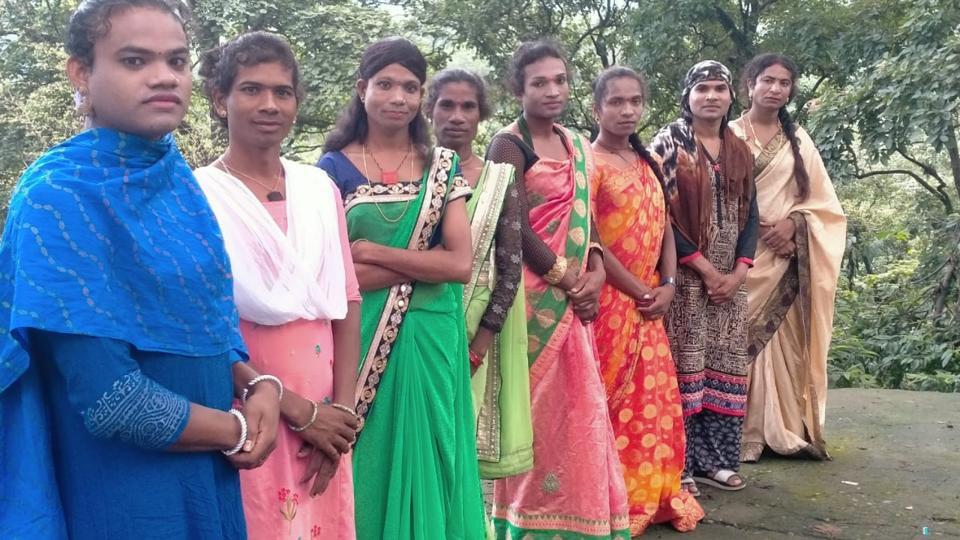
Eight transgender people were recruited from Kanker district, while one was from Bastar, out of the total 608 selected candidates.
Officials claimed that they received 53,336 applications from seven districts in Bastar division, of which 16 were from the transgender community, 37,498 men and 15,822 women.
Of the 16, nine were selected as constables. They will be trained at the Police Training School Mana, Raipur, before being inducted.
The Chhattisgarh government decided to raise the special unit in 2020 and announced district-wise recruitment drive with an aim to bridge the gap between locals and the police force as the locals have an understanding of dialect, terrain and local behavioral aspects of the people in the region.
“The force will comprise of local youth, who are well acquainted with the terrain, language and the demography. Taking forward the government’s policy of inclusive development in Bastar, this recruitment has the potential to disrupt the status quo and will take the fight to the Naxal’s court. Not only this, these fighters will aid the government in implementing schemes and development of infrastructure,” chief minister Bhupesh Baghel said in a statement on Tuesday.
The CM congratulated all the new recruits, and said, “The recruitment of transgender people in the police force is a step which our government has started to set an example for all states. We will ensure that officers and constabulary of Chhattisgarh Police shall be sensitised against gender discrimination. The structure of induction and mid-career training shall be suitably amended to incorporate this,” the CM said.
Meanwhile, the transgender people who were selected in ‘Bastar Fighters’ thanked the state government and local police officers for helping them in pre-training.
Also Read:Now, five-bed wards for transgenders at govt hospitals in UP
“This is a new beginning for me. My father is a labourer and I am the first one to get a government job in my family, that too in the police force. I am thankful to the local police officer for helping our community by providing guidance for the recruitment,” said Divya Nishad from Kanker.
Inspector general of police (Bastar range) Sunderaj P said that the recruitment opened up new avenues for the local youth to actively contribute for peace and development in the division.
“Since members of the transgender community will be inducted for the first time in the Bastar range, we are confident that it will add a new dimension and perspective to policing in the region. We will try to provide them with conducive work atmosphere and facilities so that they don’t feel any kind of discrimination within the force,” the IG said.
“We thank the state government for helping the transgender people to get inducted into the police force. This is an example in our country,” said Vidhya Rajpoot, a transgender rights activist based in Chhattisgarh.
Earlier, the Chhattisgarh police recruited 13 transgender people as constables in four districts in March 2021.
-kW0H-U20214218012MgB-250x250%40HT-Web.jpg)


