
 E-Paper



Happiness curriculum will bring sea change in society: Sisodia
The AAP government had introduced the happiness curriculum in Delhi government schools on July 2, 2018.


The Delhi government on Friday celebrated ‘Happiness Utsav’ to mark the third anniversary of the Aam Aadmi Party’s (AAP) ambitious Happiness Curriculum which is being taught across public schools in the Capital.
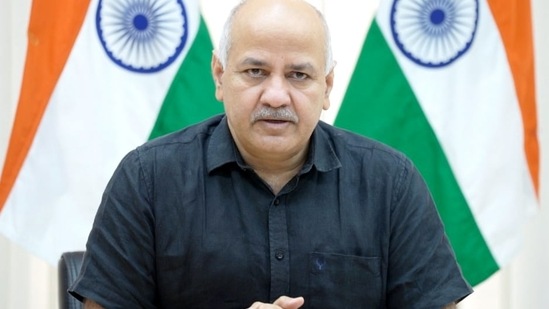
To mark the event, deputy chief minister Manish Sisodia interacted with students, teachers and parents to learn about the changes it has brought about in their lives. He also interacted with a panel of international experts to discuss Delhi’s experience and the international best practices on social-emotional learning.
The AAP government had introduced the happiness curriculum in Delhi government schools on July 2, 2018. Under the curriculum, sessions are held twice a week for nursery and kindergarten students, and daily for students in classes 1 to 8. The sessions include meditation, storytelling, and other activities, followed by question-and-answer sessions.
Emphasising on the impact of the Happiness Curriculum, Sisodia said, “It is a great joy to hear that the Happiness Curriculum has brought about a change in the lives of children, their families and also their teachers. If there has been any significant change among the children due to the Happiness Classes in just 2-3 years, in the coming 10 years, the children will adopt happiness in their life fully and it will grow to become an important component of their everyday life. These are the real happiness agents and will bring a sea change in the society.”
During the virtual interaction, several students also shared their experiences with their education minister.
Sparsh Aggarwal, a Class 7 at a government school in Kalkaji, said that she learned how “one should never give up on their efforts despite persistent challenges”.
Another Class 7 student Rakshit, from a government school in Rohini Sector-9, narrated about the changes in his life because of the happiness classes. “Earlier, I was addicted to mobile games, leading to irritability and pain in my eyes. But with the practice of mindfulness and other activities learned in the Happiness class, I now feel stress-free and have started taking more interest in academics,” he said.
Prachi, a Class 9 student, said that she has been able to control her anger better.
Later in the day, Sisodia also interacted with an international panel of experts on the Happiness Curriculum. Dr Scherto R Gill, chair of G20 Interfaith Forum’s education working group, said, “Education around the world should be about well-being, self-exploration, and co-inquiry. The ecosystem Delhi has managed to create is almost a haven of sorts which allows conversations around well-being, collaboration, happiness and such.”


