
Odisha cabinet approves 10 GW ingot wafer and 5 GW solar cell plant
The project will be developed in two phases with an overall capacity of 10 GW ingot-wafer and 5 GW solar cell manufacturing and is expected to generate over 5,000 employment opportunities
The Odisha government on Friday approved a 10 GW ingot-wafer and 5 GW solar cell manufacturing in the state with a proposed investment of ₹10,000 crore.
The development comes two days after Andhra Pradesh chief minister Chandrababu Naidu-led government cleared a greenfield 10 GW ingot and wafer manufacturing facility in Andhra Pradesh, with an investment of ₹6,675 crore by Tata Power Renewable Energy Ltd.
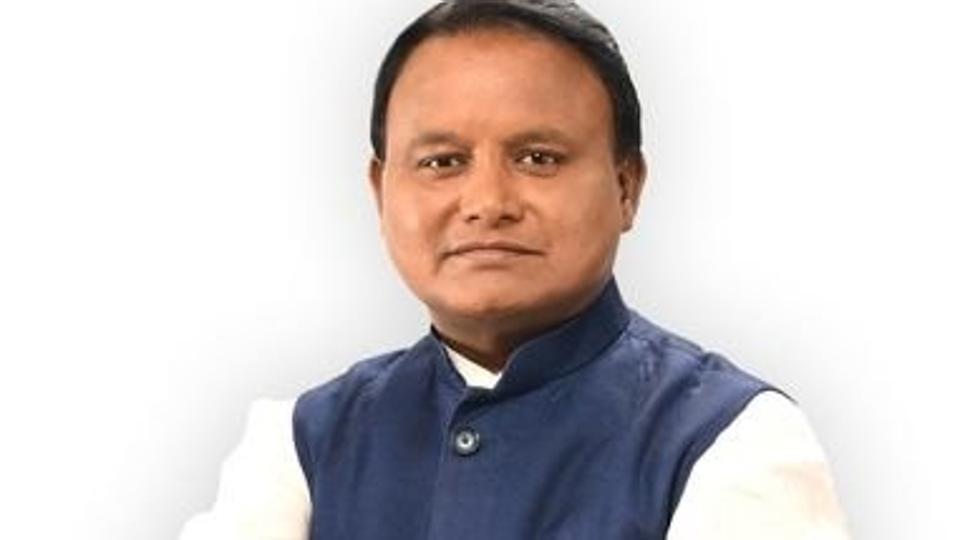
The Odisha cabinet, which met on Friday, chaired by chief minister Mohan Charan Majhi, approved the project that will be the first-of-its-kind upstream solar manufacturing facility in the state. The project will be developed in two phases with an overall capacity of 10 GW ingot-wafer and 5 GW solar cell manufacturing and is expected to generate over 5,000 direct and indirect employment opportunities, including high-skill jobs. The project will be set up in Tata SEZ in Gopalpur.
Also Read: EOW asked to probe multi-crore ingot case
The facility is expected to strengthen the upstream solar value chain in Odisha, reduce dependence on imports of critical solar components and support India’s target of achieving 100 GW domestic solar module manufacturing capacity by 2030.
The Odisha Ground-Mounted Solar Potential Assessment 2024 by the National Institute of Solar Energy (NISE) estimates Odisha’s solar potential at 138 GW.

ABOUT THE AUTHORDebabrata MohantyDebabrata Mohanty is a senior assistant editor of Hindustan Times who works as state correspondent from Odisha covering the state's politics, governance, public policy, natural disasters, environment and its society for close to three decades. With his long years of reporting from the state capital of Bhubaneswar, Mohanty has been known as one of the most experienced and credible journalists covering Odisha for the national English dailies. His reporting combines on-ground detail with deep institutional knowledge detailing the state's changing politics, governance issues, administrative reforms and the functioning of its public institutions. He has regularly reported on issues ranging from legislative developments and public policy implementation. Politics is his core areas of expertise as he closely tracks Odisha's political landscape, including the rise and transformation of the Bharatiya Janata Party (BJP), the Biju Janata Dal (BJD), the two principal political parties in Odisha. His long association with the state's political establishment enables him to write on contemporary developments in a larger political context. Mohanty takes a deep interest in writing human interest stories, environmental issues and documenting the impact of cyclones, floods, heatwaves, and other climate-related events in one of the most disaster-prone states. His coverage extends to public health, governance reforms and stories on accountability of government institutions. Before joining Hindustan Times, Mohanty worked with The Indian Express, Mail Today, and The Telegraph, where he covered at least six general elections and as many assembly elections. In 2007, he was selected for the prestigious Chevening Young Indian Print Journalist Programme at the University of Lincoln, United Kingdom, where he received advanced training in print journalism. In 2009 he won the Press Institute of India-International Committee of Red Cross award on conflict reporting for his on-ground reportage of 2008 Kandhamal riots.Read More

E-Paper


