
 E-Paper



Odisha auditing C-section childbirths in private hospitals after record rise
According to the data from HMIS, C-section deliveries in government healthcare facilities in Odisha rose from 14.77 per cent to 16.88 per cent in government health facilities during the same period


The Odisha government has asked the Chief District Medical Officers (CDMO) to audit the Caesarean section (C-section) deliveries in private hospitals after a report from the Health Management Information System (HMIS) of the ministry of health indicated that the share of C-sections at private hospitals in the state has increased to 74.62% from 64.67% during 2020-22.
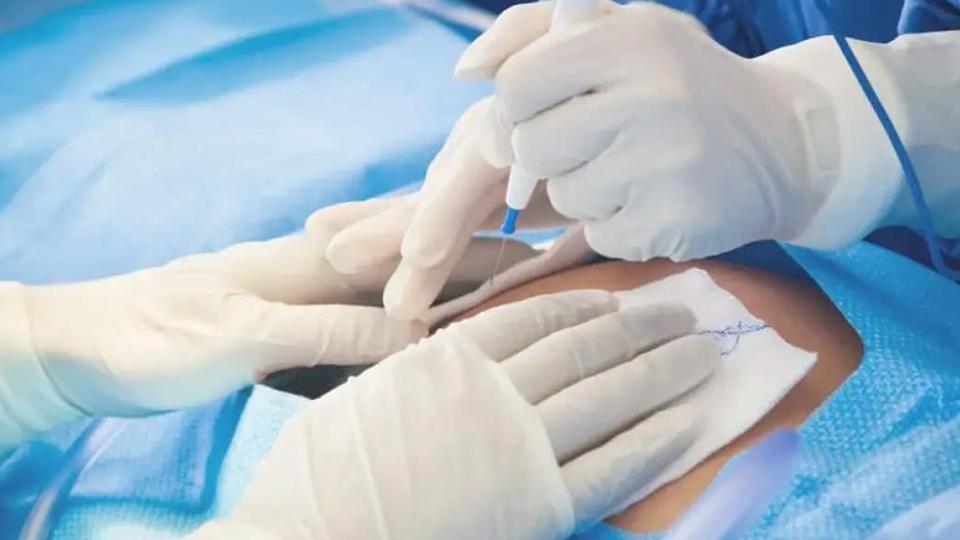
Director of Family Welfare Dr Bijay Panigrahy said the state is verifying the records of C-section deliveries in private hospitals after the HMIS report so that unnecessary C-section births can be stopped.
“The government has asked the CDMOs to inspect the records and find out if the caesarean deliveries were needed. Earlier, such an audit was conducted for government facilities. During the audit, the CDMOs will inspect the past records and keep a tab on all such surgeries. The private hospitals where discrepancies are found will be issued show-cause notices and action taken as per law,” Dr Panigraphy said.
According to the data from HMIS, C-section deliveries in government healthcare facilities in Odisha rose from 14.77 per cent to 16.88 per cent in government health facilities during the same period.
Also Read: Govt to set up 8 more ayurvedic, two homeopathy hospitals
Though C-section childbirths are rising across India, as per HMIS, Odisha registered the highest growth in private healthcare facilities among big states. Whereas, in other states, including Assam, Bihar, Gujarat, Telangana and Uttar Pradesh, it has dropped. Only Sikkim’s growth was higher than Odisha’s.
According to the National Family Health Survey (NFHS-3) conducted in 2005-06 and National Family Health Survey (NFHS-5) conducted in 2019- 21, the C-sections in private health facilities more than doubled as it went up from 32.4% to 70.7%. In the same period, the C-sections in government facilities went up from 10% to 14.5%.
Health department officials said the rise in such births in private hospitals could be because of the implementation of the Biju Swasthya Kalyan Yojana in Odisha. Launched in 2018, it is a state scheme under which 71 lakh economically vulnerable households can avail health care services from the empanelled private hospitals with financial coverage up to Rs. 5 lakhs per family and Rs. 10 lakhs to women members.
“C-section audits must be strictly enforced in private hospitals by regulating medical practices and package cost. Monitoring also needs to be strengthened,” said the health officials.
Senior gynaecologist Dr Purna Mohapatra, however, said the rising C-section deliveries may be due to the inability of the pregnant women to undergo labour pain, lack of patience and lifestyle factors.
“Lack of physical activity and late conception are also contributing to the rise in the rate of caesarean sections. More women are opting for the surgery because of late pregnancies and lifestyle conditions such as diabetes or high blood pressure,” said Dr Mohapatra.



