E-Paper



Odisha requests 12 companies of paramilitary forces over fears of Maoist infiltration
Odisha chief minister Mohan Majhi said in view of the stepping up of anti-naxal operation, there is a reasonable apprehension of possible movement of LWE cadres from Chhattisgarh to Odisha


With two battalions of Border Security Force (BSF) and 15 companies of Central Reserve Police Force (CRPF) withdrawn from the Maoist-affected districts for deployment in Jammu and Kashmir assembly elections, Odisha has urged the Centre for deployment of at least 12 companies of Central Armed Police Forces (CAPF) for two years in the affected areas.
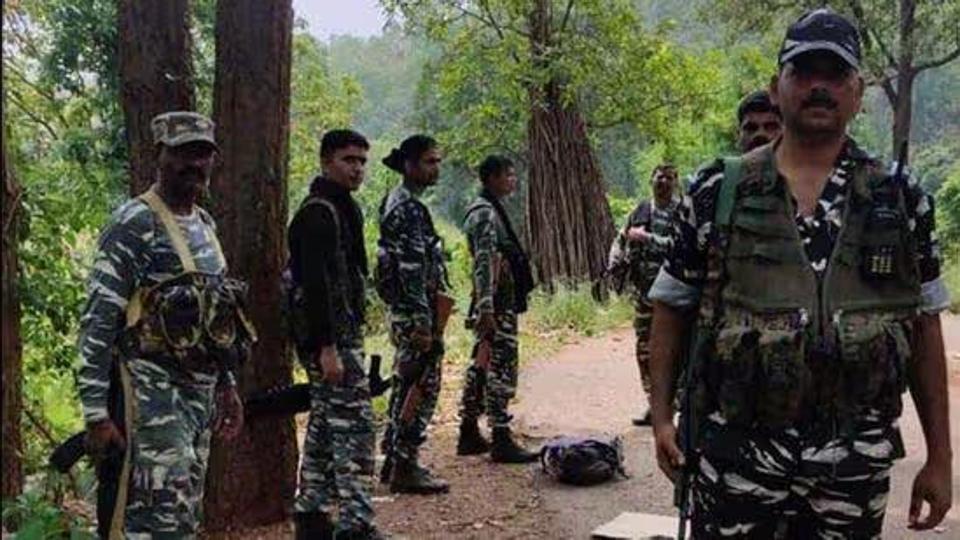
Chief minister Mohan Majhi, who attended a review meeting on left wing extremism (LWE) affected areas chaired by Union home minister Amit Shah, said in view of the stepping up of anti-naxal operation, there is a reasonable apprehension of possible movement of LWE cadres from Chhattisgarh to Odisha, the state government has requested for deployment of the central paramilitary forces.
Odisha has been facing Maoist violence for two decades following which 16 battalion of central armed paramilitary forces were deployed in the affected areas of the state to counter LWE activities. Since September 2023, two Battalions of BSF and 15 companies of CRPF have been withdrawn from strategic locations of LWE affected areas creating a security vacuum. Due to heightened operations against Maoists in Chhattisgarh, there is a definite possibility of infiltration in Odisha from Chhattisgarh side, Majhi said.
“Though substantial progress has made by Odisha in curbing Maoist activities, there is still concern about the Kandhamal-Boudh-Kalahandi axis, where, Maoist groups are still active. This region continues to be a challenge for security forces, requiring sustained efforts to dismantle insurgent strongholds,” he said.
The Chief Minister said that to counter the Naxalites, the state government has raised three battalions of ex-servicemen under the OSSF (Odisha Special Striking Force) and that vacancies in other ranks of the police are being filled in a time-bound manner.
He added that until the newly recruited forces are deployed on the ground, there is an urgent need for effective area domination to prevent infiltration from Chhattisgarh and to enhance intelligence-based operations. Therefore, the central forces should be deployed in the area. He also requested that a dedicated helicopter be provided to the state, as uninterrupted helicopter services are a critical requirement for the movement of security forces, maintenance of forward posts, and responding to emergencies in the LWE conflict zone.
Majhi also sought the construction of 127 strategic roads in LWE affected areas. These road projects will considerably augment connectivity in these areas and will also facilitate effective operations by security forces against the Naxals, he said.