
 E-Paper



Chaos of protests: Despite govt efforts, law-abiding citizens pay, bureaucracy carries on
Dharmendra Pradhan resigned and with this the issue of political accountability for paper leaks is settled. But is this all?

 Prefer HTon Google


What about the failure of thousands of senior bureaucrats, law enforcement personnel , agencies at central and state levels, which are not only failing the government but also the people, for which the cost is being paid by the political parties and leaders.
In the decade preceding 2014, India was wracked by internal militancy and state-sponsored terror violence claiming lives of a thousand innocents. India had had active insurgencies in Jammu and Kashmir and in the North-East and the Maoists were on the rise in the heart of the Republic.
Today, 12 years later, the Modi government, out of its sheer political will, has been successful in defeating the armed Maoists on ground, albeit its ideology still runs in the veins of Left academia, media and the underground networks. Pakistan has been made to pay heavily for targeting India with terror with Operation Sindoor still live and North-East states, particularly Assam, are contributing positively to the Indian GDP. Law and order has been restored in Jammu and Kashmir with terror violence at an all -time low and enhanced connectivity projects have pushed India to a global economic power to reckon with.
With “Aatmanirbhar Bharat” starting to take off in the defence sector, India is increasingly reducing its military imports from either Russia or the West.
While the Modi government has been able to deliver on big internal development and security issues, the similar resolve is still to find a way within the bureaucracy across sectors.
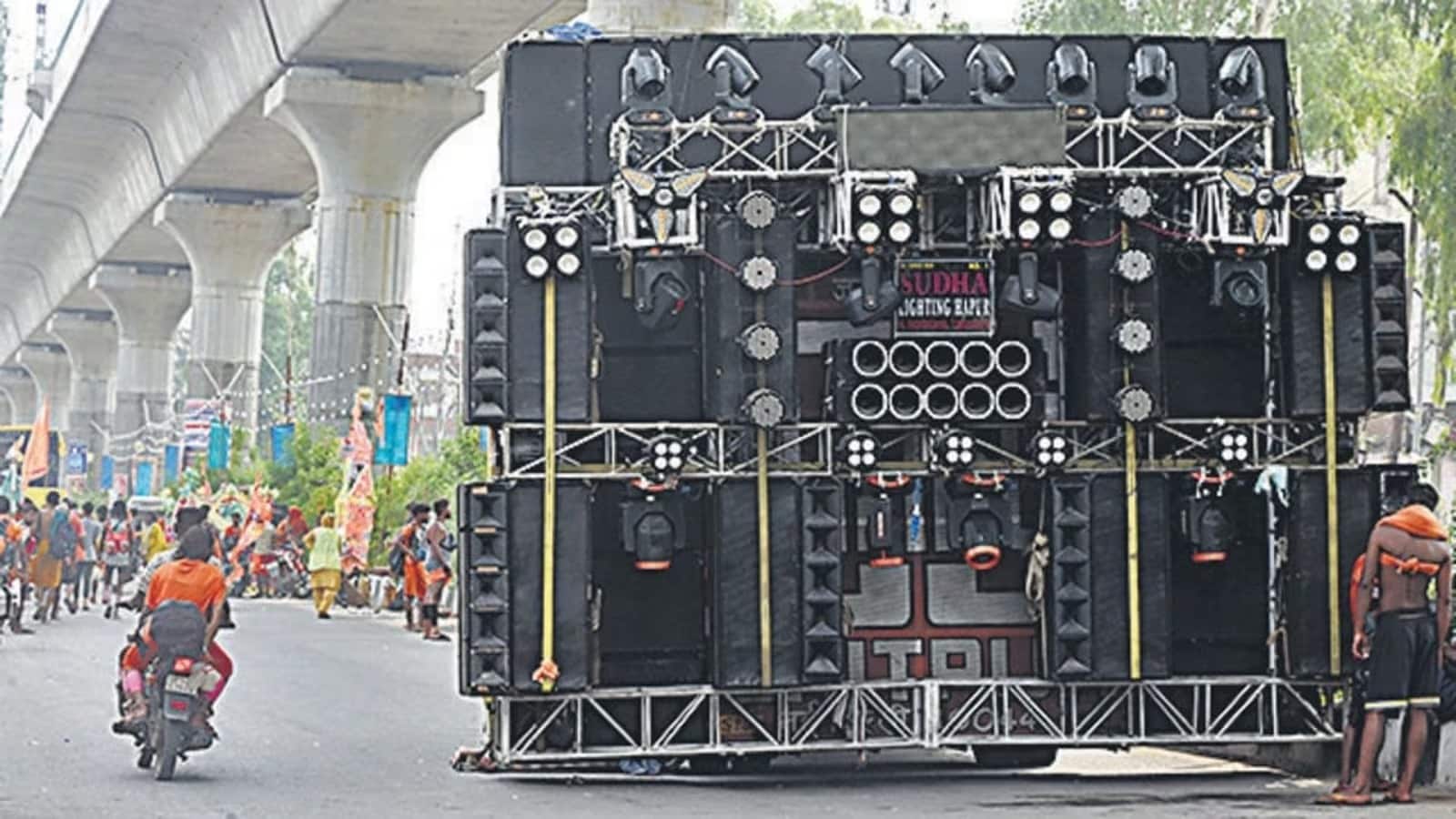
Despite housing some of the brightest minds, there is a general feeling that the Indian bureaucracy is failing the government. As it is, discipline in Indian society is at a discount as people still drive on the wrong side of road with impunity, boom boxes which shatter the night at used in religious events, civic laws are flouted and sudden traffic disruptions are the order of the day. Such is our DNA that we pelt stones at public property like Vande Bharat trains, uproot side railings in anger and tear the seats of state roadways buses.
If one thinks deeply, non-delivery by an inefficient, self-serving, and seemingly corrupt administration, whose core job is to execute government policies in efficient manner and ensure fair and fast delivery to the common people, is the main reason that generates public angst and grievance, which conflates into protest but targeted against the political leadership, leaving the bureaucracy unaffected rather in most cases rewarded. The Indian politician is made accountable every five years but the Indian bureaucracy survives the system for three decades or more without any accountability.
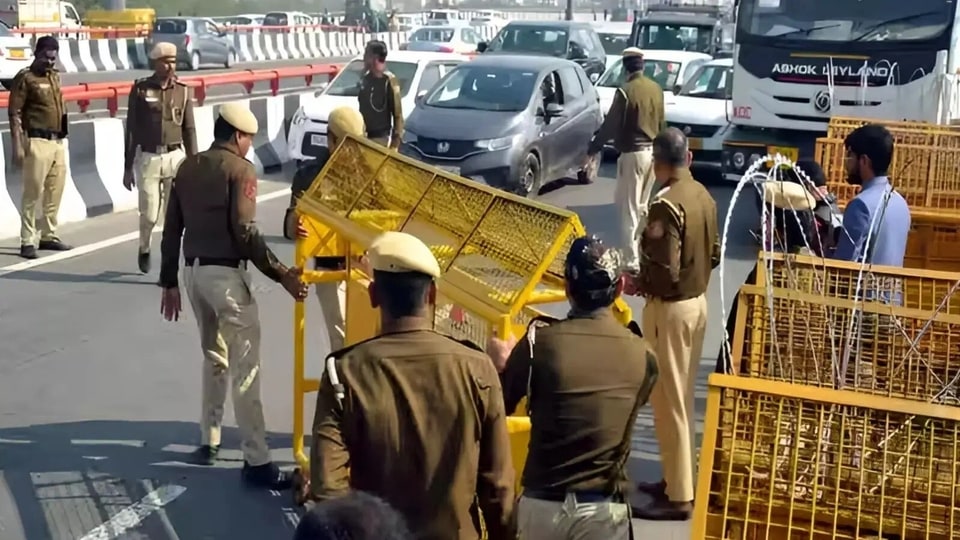
For example, if the recent Jantar Mantar protests were organic and spontaneous, then the responsibility solely lies on the authorities running the examination system for being inefficient and incapable. But even if there is a bigger conspiracy behind the protests, then the question should be raised in the capabilities of the Indian security agencies who were clearly blindsided by the turn of events. The law and order situation clearly got out of hand due to poor anticipation of the protest and those involved.
The Indian habit of classifying every law and order or civic disaster as a systemic failure has ensured that only a miniscule number of bureaucrats are held accountable and the rest continue to push the files.
A proactive administration with ear to the ground would have alerted the political leadership on the scale of angst among students and their families over paper leak and the need to address the issue politically.
The answer here is not merely admitting the failure and filing the closure report. The right way of handling this is to launch an internal probe and make those who erred accountable as violent protests generate centrifugal forces that create instability and impact on good governance. Why should an honest law abiding citizen suffer due to inefficiency of the administration and the police. Both of whom suffer from poor and corrupt public image.
This is a high time when the Modi government should seriously start looking for revolutionary changes in our bureaucratic system right from the method of recruitment, training , developing expertise and the most importantly a sense of public accountability. Days of living in high-ceiling chambers and administering the country with inflated egos fed by British Raj mannerism and unsuited capabilities should fast be over if the country has to attain the goal of Viksit Bharat by 2047.
The farmer blockade of Delhi borders, the February 2020 riots and the Jantar Mantar protests and the response of the administration should all be reviewed by the Modi government as instability and chaos sparks fear in the minds of common people. The honest tax paying citizen should be incentivized not penalized for following law and order.


