E-Paper



Odisha tribal couple takes newborn to hospital, allege facing social boycott
A tribal family in Odisha’s Keonjhar district has been allegedly socially ostracised by the villagers after their newborn baby girl was taken to hospital for her health check-up soon after the delivery, which, as per the locals, was against their traditional customs, officials said


A tribal family in Odisha’s Keonjhar district has been allegedly socially ostracised by the villagers after their newborn baby girl was taken to hospital for her health check-up soon after the delivery, which, as per the locals, was against their traditional customs, officials said.
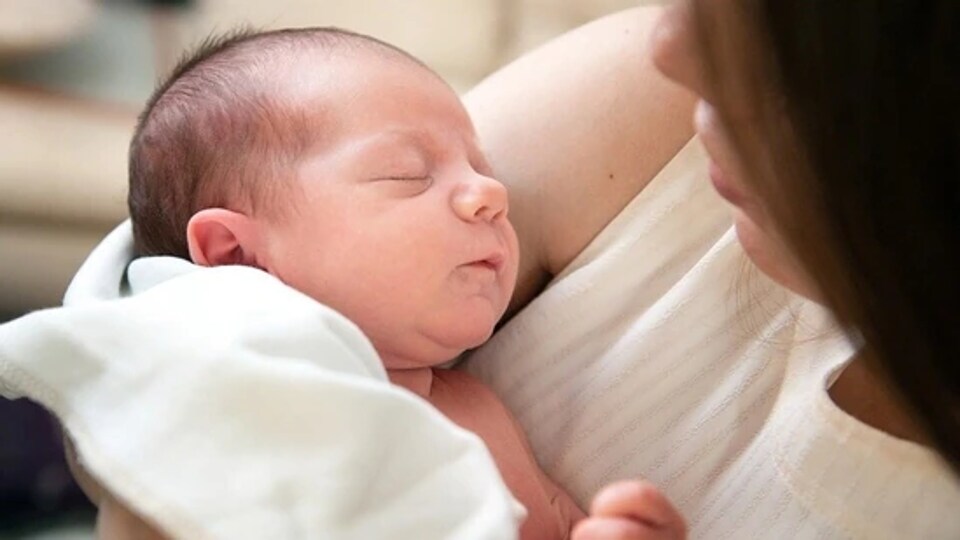
Gunaram Murmu, a 22-year-old tribal of Jugalkishorepur village under Ghasipura police station of Keonjhar district, and his wife, Sugi Murmu, were blessed with a baby girl on October 29. Though Gunaram had sought an ambulance to take his wife to the sub-divisional health hospital in Anandpur, by the time it arrived, his wife had already delivered the baby.
While Gunaram’s wife and the newborn were being taken to the hospital, some foetal blood fell on the floor of his house which reportedly upset the villagers. “The village headman and others said as per customs if a woman is sent to hospital after the delivery of the baby then the village is desecrated. I was asked to give three roosters, handia (a local brew) and some puja material for the purification of the village. I refused the same as I consider these superstitious practices,” said Gunaram.
The tribal youth alleged that after his refusal, his family was socially boycotted following which he lodged a case with Ghasipura police station on November 1. Sub-inspector of Ghasipura police station, Manas Ranjan Panda, who went to the village to inquire into the allegations, said, villagers were upset over foetal blood falling on the floor.
“They wanted penance. I held a discussion with the villagers and sorted out the issue,” said the sub-inspector.
Health department officials in Keonjhar, however, said institutional delivery in the district was 98 per cent in 2020-21, up from 72.2 per cent in 2015-16. As per the state’s health management information system, the institutional delivery in Odisha in 2020-21 was 82 per cent, down from 85.3 per cent in 2015-16 (as per NFHS-4 figures), but health officials expressed hope that the NFHS-5 figures, which are due to be out for Odisha in a few weeks, would be close to 90 per cent.
Additional district medical officer (family welfare), Koenjhar, Dr Pranatini Nayak said institutional deliveries in the district have been going up steadily due to targetted intervention over the last few years. “There may be some superstition among some tribal communities but more and more pregnant tribal women are coming to deliver their babies at hospitals,” she said.
Health activists said despite state schemes like Mamata and central schemes like Janani Sishu Suraksha Karyakram, which promote institutional delivery, tribal districts like Keonjhar are beset with problems such as superstition.
“In Mayurbhanj and Keonjhar districts, local tribals still prefer to visit the local doctor for their ailments and prefer to carry out childbirth at home despite availing the benefits of government schemes like Mamata and JSSK. The tribals there believe that the Gods will be angry if they go to a hospital instead of consulting a local doctor. Besides, in 381 community health centres across the state, there are just about 124 gynaecologists, which hampers childbirths at such centres,” said Gouranga Mohapatra, state convenor of Jana Swasthya Abhiyan, an NGO working on health issues.