
 E-Paper



14% elderly suffers psychological health issues, MLNMC study
PRAYAGRAJ: Advancements in the field of medical science have led to higher life expectancy among people

 Prefer HTon Google


PRAYAGRAJ: Advancements in the field of medical science have led to higher life expectancy among people. The average life expectancy, which was 62 years and six months in 2000, has increased to 66 years and eight months as in 2011. But along with bigger life spans, the challenge of psychological health problems too seems to be increasing among the elderly.
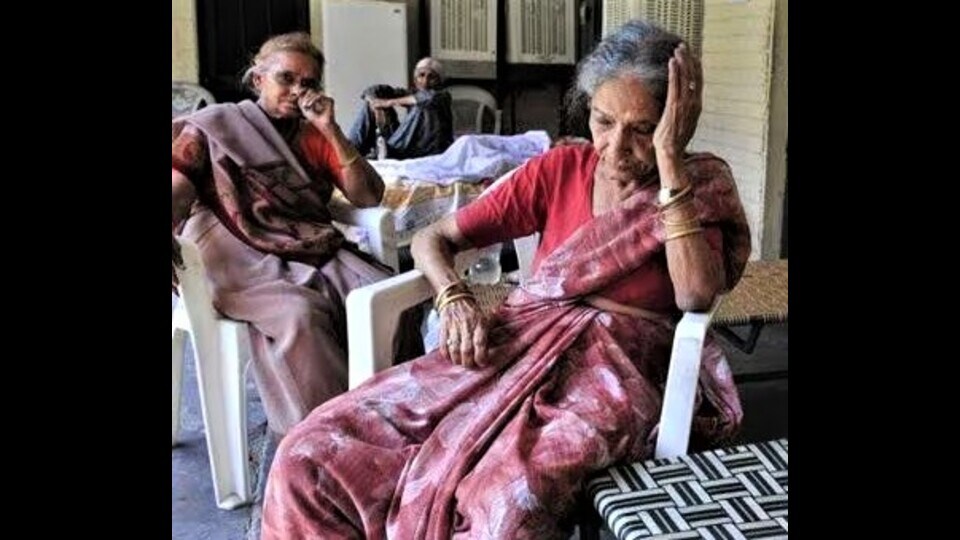
In a study conducted on 463 people from urban and rural areas of the district who are over 60 years of age, 13.7% of these elderly people have been found to be facing some or the other psychological health issue, said researchers of the Department of Community Medicine of Prayagraj-based Moti Lal Nehru Medical College.
Prominent causes of mental illness among the elderly, include unmarried status or the spouse being no more, living in a nuclear family instead of a joint family, no formal education etc. Physical morbidities like ortho-dental problems, hearing impairment and respiratory problems were found to be significantly associated with psychological health in elderly age group, they added.
The findings of the study have been published in the Indian Journal of Public Health Research and Development.
According to the head of the department of Community Medicine, MLN Medical College, Dr Khurshid Parveen, “Out of 483 elders who were part of this study, 288 were men and 195 were women. Of these, 405 were living with their spouses while 78 (unmarried, divorced or deceased) were living alone. Of these, mental problems were found in 66 and out of these, 18% were females and 10.6% were males.”
Despite the small sample size, it was clear that the problem was more prevalent among females. The problem was found to be almost three times more common among those living alone than among those who were married. Similarly, more mental problems were found in those who did not have formal education as compared to educated elders, added Dr Praveen.
“Psychological illness among the elderly population in the community goes unnoticed and it was found to be significantly associated with female gender, living without spouse, and having some physical morbidities”, said Dr Praveen.
Associate professor Gyan Prakash, assistant professor Richa Singh and junior resident Sucheta Singh were associated with the research as co-authors.
Throwing light on the study, Dr Sucheta Singh said, “The definition of health by World Health Organisation acknowledges mental wellbeing as one of the important components of healthy life. At present around 17.13 million older adults are suffering from mental health problems in India. Hence, to determine the current scenario of psychological health issues faced by people in their old age and the factors associated with various problems in Prayagraj, this study was taken up”.
She added that the study was undertaken to determine prevalence of psychological health Illness and their associated factors in elderly population. “This cross-sectional community-based study was done on 483 elderly population of Prayagraj and the data was collected using interview method by pretested structured questionnaire”, she said.
The study has recommended that awareness about mental health should be enhanced in the community by involving Accredited Social Health Activist (ASHA), voluntary health workers, and camps by mental health professionals. Mass media, newspapers and radio can also be used. Early detection at community level can be done by increasing credibility for health care system among community. Awareness about geriatric health clinics in medical colleges and their utilisation should also be undertaken, the study suggests.


