E-Paper



Respiratory & skin infections, cardiac distress reported most at Mahakumbh hospital
“Nearly 10 devotees arrive every day with fractures. The excessive crowd has led to injuries, largely among women and the elderly,” Dr Manoj

 Prefer HTon Google


Amidst the ongoing Mahakumbh, the Central Hospital at the mela ground has been receiving a large number of devotees, with the most common cases being upper respiratory tract infections, fever of unknown cause, fractures, stomach ailments, skin infections and cardiac distress.
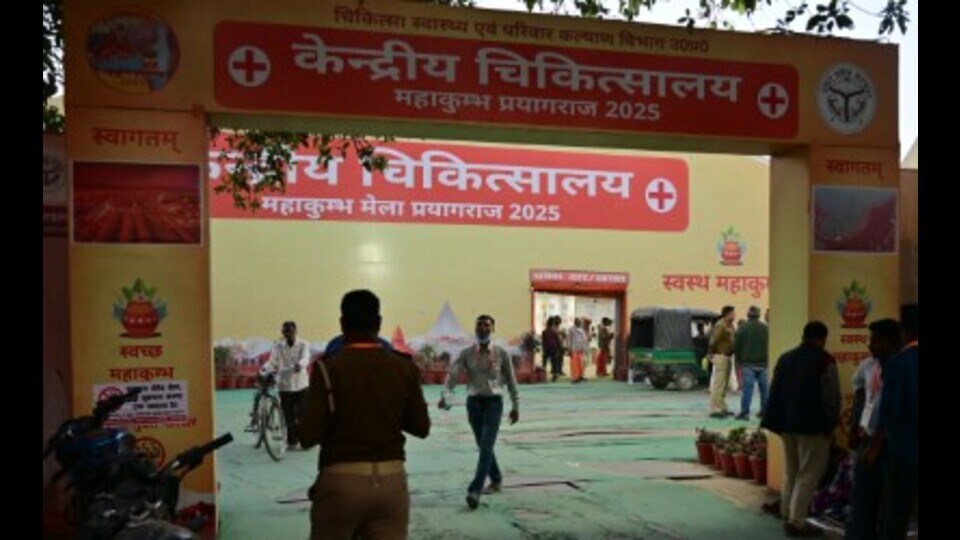
According to chief medical superintendent of Central Hospital in Mahakumbh, Dr Manoj Kaushik, four out of 10 patients arriving to the OPD complained of respiratory trouble, while two out of 10 reported cardiac distress. “Our 10-bed Intensive Cardiac Care Unit (ICCU) has remained fully occupied since the beginning of the mela, with most of the cardiac patients being elderly,” he said.
“Nearly 10 devotees arrive every day with fractures. The excessive crowd has led to injuries, largely among women and the elderly,” he added.
The additional director (health) Prayagraj and nodal officer for health in Mahakumbh, Dr Rakesh Sharma noted that data from the Unified Digi Surveillance Program revealed that nearly one-fifth of the total cases treated in all 23 hospitals of Mahakumbh Nagar since the beginning of the mela were of upper respiratory tract infections, followed by 10 to 15 percent cases of skin infections, along with a similar percentage of fever and stomach-related disorders.
As per the senior health official, the significant number of devotees suffering from upper respiratory tract infections could be attributed to continuous inhalation of Ganga sand, as the Mahakumbh is being held on the banks of Sangam, a landmass largely covered with fine sand.
Sharma further informed that fractures and physical injuries have also occurred in large numbers due to excessive crowd pressure, as devotees jostled for space on city roads as well as in the mela area.
He stated that the large number of devotees suffering from respiratory trouble accompanied by excessive coughing should not be considered an outbreak of viral infection. A team of 10 trained medical workers has been regularly conducting random testing of devotees to detect any variant of the Covid virus or other epidemics.
Over 1,000 paramedical staff, along with nearly 200 doctors, including specialists, have been deployed to handle medical needs in the mela area.
Two patients sent to Delhi by air ambulance
The state government has also arranged for an air ambulance under health services in Mahakumbh. So far, two patients have benefited from this facility, being sent to Delhi based on the hospital’s registration slip. However, permission for the transfer was granted by the Mela Adhikari and the additional director of medical health and family welfare. The air ambulance will remain stationed at Bamrauli Airport until February 26.