
 E-Paper



Sale of 1,263 properties linked to Jaipur princely state halted in Prayagraj
At Sadar Tehsil, officials have begun retrieving old documents from the record room. Khasra and Khatauni records will be examined and subsequently matched with the situation on the ground.

 Prefer HTon Google


The Prayagraj district administration has halted the sale, purchase and transfer of 1,263 properties linked to the former Jaipur princely state. This action follows a directive from the board of revenue after the Rajasthan government raised concerns regarding the unauthorised occupation of its historic landholdings in Uttar Pradesh.
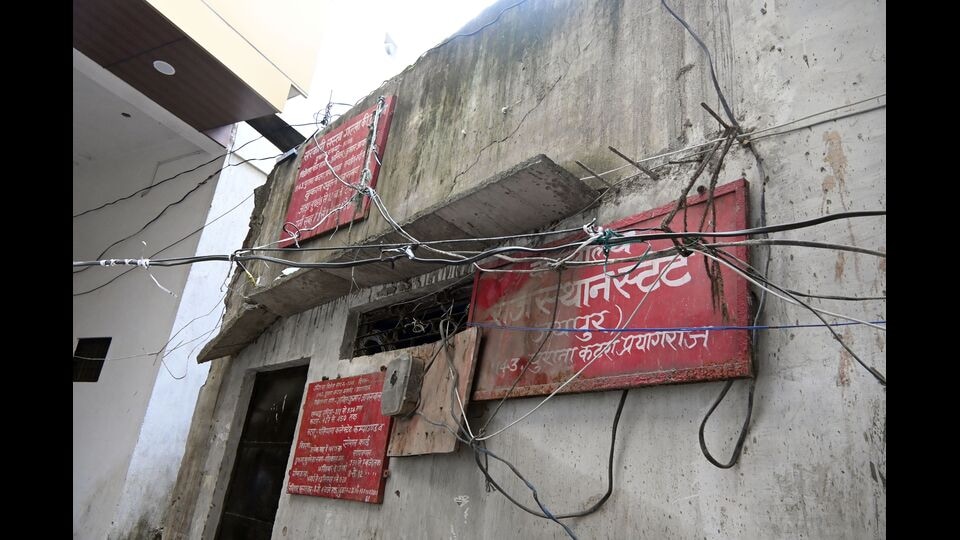
District magistrate Manish Kumar Verma instructed the SDM (Sadar) to retrieve and verify ownership records.
SDM (Sadar) Ankit Kumar Verma said that based on the document received from the Revenue Board, the Rajasthan government has claimed approximately 32.5 acres of land belonging to the Jaipur princely state.
“We are having the details of all the land parcels in the claimed areas checked and will prepare a report based on our findings, which will be forwarded to the District Magistrate’s office. Presently, sale and registration in the claimed area have been halted,” he added.
At Sadar Tehsil, officials have begun retrieving old documents from the record room. Khasra and Khatauni records will be examined and subsequently matched with the situation on the ground.
Until the verification exercise is completed, officials have been instructed not to allow registration or transfer of the properties under examination.
Several properties are already the subject of disputes and litigation, making the process of determining their present legal status more complicated.
Focus on Katra holdings
A substantial portion of the former Jaipur State’s property is concentrated in Katra, particularly around Katra-Sawai Jai Singh, Galla Mandi, Gobar Gali and the stretch between Netram Crossing and Manmohan Park.
Ravi Kumar, a dealing assistant overseeing the Jaipur estate properties, said approximately 35 acres in Katra and surrounding localities continue to belong to the estate.
Estate representatives allege that while some portions were legitimately purchased by long-term residents and registered in municipal records, large sections remain under unauthorised occupation. It is estimated that roughly 20% of the 35-acre tract has been registered in the names of individual occupants, leading to ongoing eviction and tenancy litigation.
The former Jaipur State once managed these assets from an office in Galla Mandi, which closed five years ago, shifting management to Jaipur. Local residents said that after individuals purchased plots from the Jaipur estate, questions arose over ownership of the lanes. The matter was subsequently taken up with the Prayagraj Municipal Corporation, which took control of the lanes and now maintains them.
The current management of the Jaipur royal estate is associated with Diya Kumari, a descendant of Maharaja Sawai Man Singh II.
Broader context of princely estates
Prayagraj hosts various properties historically tied to other former princely houses, including those of Bettiah, Rewa, Gwalior and Holkar. Daraganj, in particular, contains numerous old structures associated with royal families that have been occupied for generations.
The administration’s current approach mirrors an earlier effort to address similar claims by the Bettiah Raj estate of Bihar. That case involved disputed properties in Mutthiganj, Civil Lines and Baghada, as well as complex issues regarding bank lockers and expired land leases. Despite visits from Bihar officials to inspect the holdings, that matter saw limited progress, highlighting the legal complexities involved in managing these historic estates.


