
 E-Paper



Air ambulance plan dropped for Pune-Mumbai e-way
The Pune-Mumbai e-way frequently witnesses serious accidents, often followed by long traffic snarls, which can delay transportation of injured persons to hospitals

 Prefer HTon Google


The Maharashtra State Road Development Corporation (MSRDC) has rejected a proposal to introduce air ambulance services for accident victims on the Pune-Mumbai expressway (e-way), stating that the option is neither cost-effective nor practically feasible. The decision comes after a private company recently submitted the proposal offering immediate medical assistance to accident victims through air ambulances. However, the proposal was turned down due to the high operational cost—estimated at ₹5 lakh per hour—and the logistical difficulties of helicopter take-off and landing in the hilly terrain along the e-way.
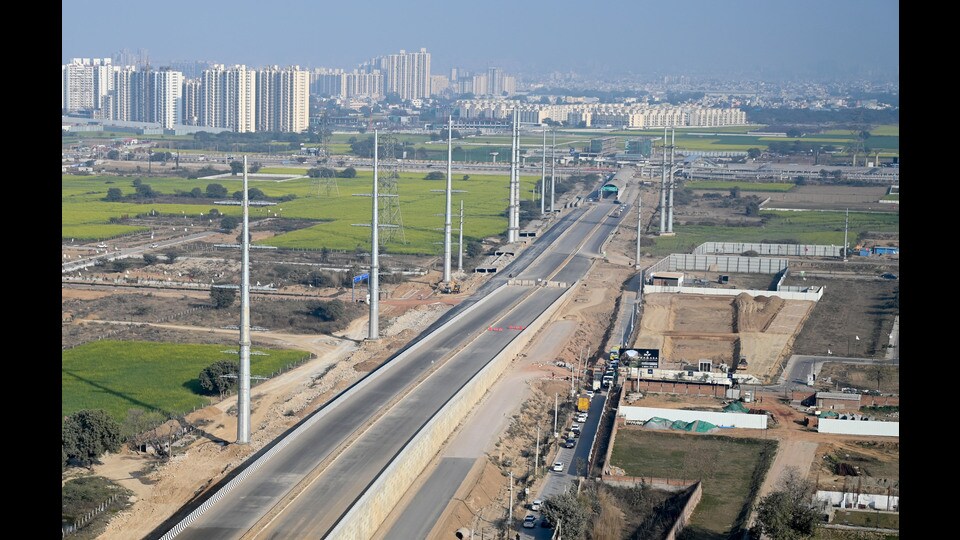
The Pune-Mumbai e-way frequently witnesses serious accidents, often followed by long traffic snarls, which can delay transportation of injured persons to hospitals. In view of these challenges, the proposal for deploying air ambulances was examined by the MSRDC as a possible solution to ensure faster emergency medical response. After a detailed assessment however, the corporation concluded that the service would place a heavy financial burden without offering proportionate practical benefits.
According to the MSRDC administration, the mountainous and ghat sections of the e-way make it extremely challenging to construct helipads and safely operate helicopters during emergencies. Additionally, identifying suitable landing zones close to accident sites and ensuring quick access to injured persons would pose significant operational constraints, especially during adverse weather conditions or at night.
Explaining the rationale behind the decision, the MSRDC highlighted that a robust, ground-level emergency response mechanism is already in place along the 94.5-kilometre-long e-way. Four quick response team (QRT) units have been strategically deployed at different locations to ensure rapid assistance. These teams are capable of reaching accident sites within 12 minutes of receiving an alert, providing immediate first aid and facilitating swift transportation of the injured to nearby hospitals.
MSRDC joint managing director Rajesh Patil said, “Air ambulance services are extremely expensive and not practically viable on the Pune-Mumbai e-way. Constructing helipads in hilly areas and ensuring safe helicopter operations during emergencies involve serious limitations. In contrast, our QRT teams reach accident sites within 12 minutes and are able to provide timely medical assistance. Considering these factors, the proposal for air ambulance services has been rejected.”
Officials further stated that strengthening existing emergency infrastructure, improving coordination with hospitals, and enhancing on-ground response systems would yield better results in terms of saving lives than introducing an expensive aerial medical service. The MSRDC maintained that its current emergency management framework is effective in addressing accident-related emergencies on the e-way, making the air ambulance proposal unnecessary at this stage.


