
 E-Paper



Fadnavis promises major revenue department reforms by August 15
CM Fadnavis announced revenue department reforms by August 15, focusing on citizen-friendly governance, land acquisition transparency, and modernization.


Chief Minister Devendra Fadnavis on Saturday announced that the State government will implement wide-ranging reforms in the revenue department by August 15. He said different study groups would be formed under the chairmanship of divisional commissioners to recommend changes in laws, structures, and procedures related to revenue administration. The government will discuss these recommendations and aim for immediate implementation.
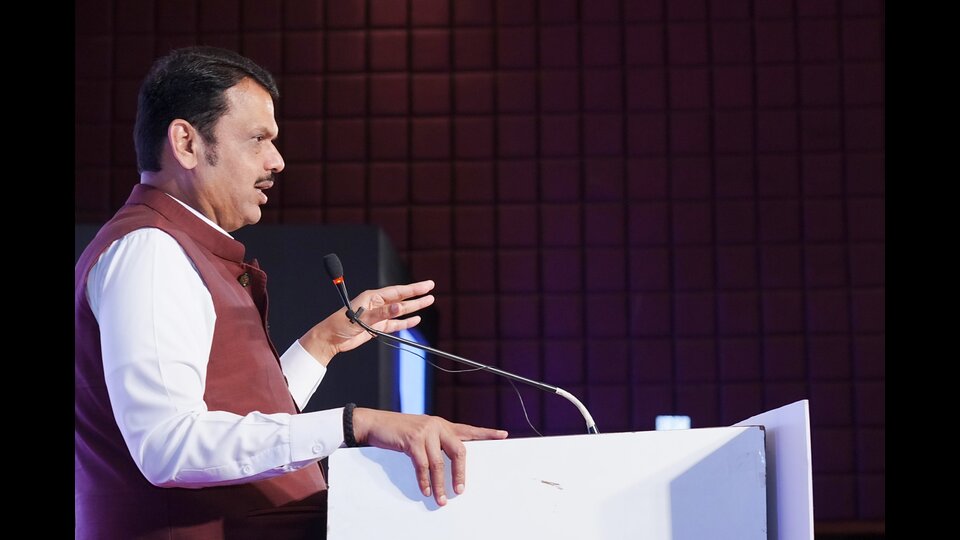
“The intent is to introduce citizen-friendly governance. Officers must work with the mindset that we are public servants,” Fadnavis said while addressing all divisional commissioners and district collectors in Pune.
The CM also raised serious concerns about irregularities in land acquisition, stating that vested interests were manipulating the process to siphon off government funds.
“I am receiving multiple complaints regarding land acquisition cases. Certain groups and lobbies are eyeing government compensation and ensuring inflated payouts,” he said.
To counter such malpractices, Fadnavis directed the revenue department to ensure satellite and drone imaging of proposed lands before initiating acquisition procedures. “This will help verify land ownership, avoid manipulation, and ensure transparency. District collectors must also conduct monthly reviews of all land acquisition projects,” he said.
Highlighting the need to boost investments across districts, Fadnavis proposed that each collectorate appoint a dedicated relationship officer.
“This officer will track all proposed and ongoing investment projects, including government MOUs. They will proactively engage with investors to identify bottlenecks and resolve them efficiently,” he added.
The chief minister also underlined the need to modernise the functioning of district collector offices.
“Even after 75 years of Independence, it is unfortunate that many government offices still lack basic amenities like women’s toilets for staff. This must change,” he said.
In a push for greater transparency, Fadnavis instructed officers to proactively publish information online rather than responding only when Right to Information (RTI) applications are filed. “Make all key information available on websites so that citizens don’t even need to file RTIs,” he said.
The study groups to be formed under divisional commissioners will recommend improvements in the use of technology, simplification of procedures for ease of doing business, legal and administrative reforms, and introduction of key performance indicators (KPIs) for officers. These committees will also explore ways to reduce the burden of excessive meetings on district collectors.


