
 E-Paper



Forest department to conserve natural heritage in Junnar
With huge biodiversity, areas including the Hirve Plateau, Durgawadi, Ambehatweej and Sukalvedhe hold great significance and natural heritage

 Prefer HTon Google


The Junnar forest department is planning to conserve the natural heritage, including the western ghat ecology in the area. The conservationists working in the area said they are preparing the conservation draft along with other departments including tourism, tribal community and village development departments.
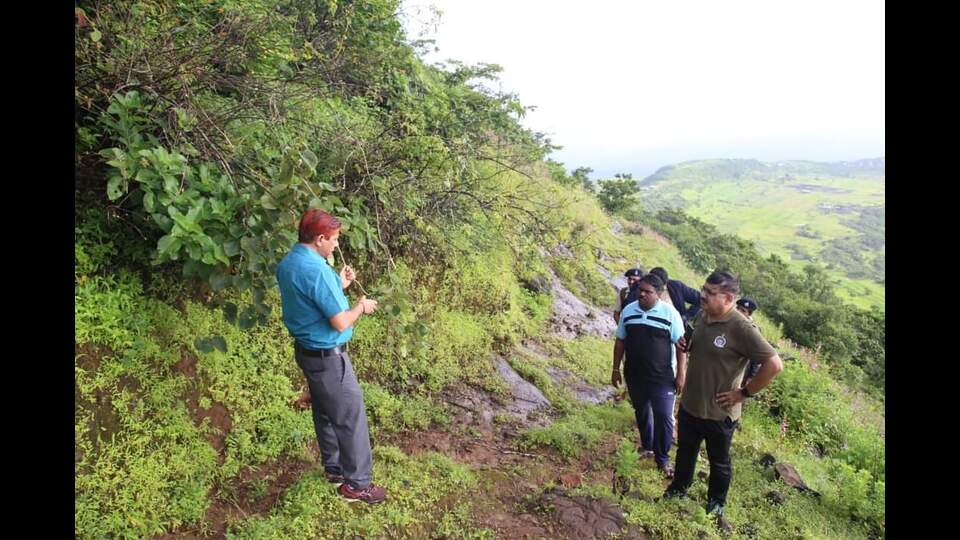
Amol Satpute, deputy conservator of forest, Junnar forest department said,” Recently the draft notification was declared by the Ministry of Environment, Forest and Climate Change about the ecologically sensitive areas in the Western Ghats. In this, the plateau in Junnar tehsil is also included and in future, there will be a need for conservation measures to protect the biodiversity in this area. So instead of waiting for that time, we are now taking steps to conserve this area.”
With huge biodiversity, areas including the Hirve Plateau, Durgawadi, Ambehatweej and Sukalvedhe hold great significance and natural heritage. While Durgawadi plateau is considered a mini Kas Pathar because of the richness of flora. The other areas consist of several plant species that are endemic, rare, and medicinal and some of them are also in a vulnerable category by the International Union for Conservation of Nature (IUCN). Now the area will soon be included in the eco-sensitive zone.
“The conservation plan will be prepared along with various government departments. Guidance will be taken from the researchers and the plan will be implemented with the help of local people. The first stakeholder meeting in this regard will be held on September 25. We aim to prepare the conservation plan within a month,” said Satpute.
Speaking about the possible steps for conservation Satpute said, “There are several patches with a high density of flowers or the other plants. Especially the plateau area and to protect those areas we are planning to introduce no vehicle zone in plateau areas and instead, a bullock cart or horse cart can be used. Development of small water bodies as it is a hilly area and not much water is available in the monsoon season.”
Sanjay Rahangdale and Savita Ranahagdale, botanists from Junnar tehsil conducted a visit to the area along with forest officials as well the villagers to analyse the natural resources.
Commenting about the visit, Sanjay Rahangdale said,” The plateaus in Junnar have a few characteristics similar to Kaas plateau. Nearly 25% of plant species are endemic to this area and considering the ecological significance of this area, it is necessary to conserve this natural heritage.”


