
 E-Paper



Ghaywal escape prompts tougher passport checks in Pune
Regional passport officer Vinod Gaikwad said police have been instructed to conduct fresh and more rigorous verification in cases where the applicant’s address is found to be doubtful

 Prefer HTon Google


In the wake of sharp criticism over how notorious criminal Nilesh Ghaywal managed to obtain a passport and flee abroad, the Pune Passport Office has decided to tighten scrutiny in cases involving suspicious residential addresses.
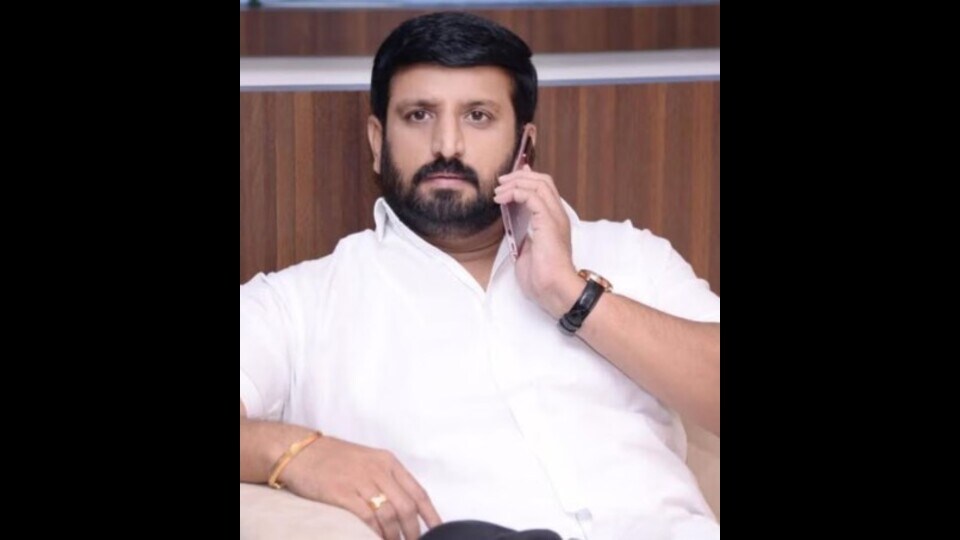
Regional passport officer Vinod Gaikwad said police have been instructed to conduct fresh and more rigorous verification in cases where the applicant’s address is found to be doubtful. He said addresses that had earlier attracted police remarks stating that the applicant was “not residing at the given location” will now mandatorily undergo re-verification.
Speaking at the inauguration of a four-day special passport camp organised by the Pune Shramik Patrakar Sangh for its members and their families, Gaikwad warned that strict criminal action would be initiated against applicants submitting forged documents, fake addresses or false information.
“The Nilesh Ghaywal case has exposed serious concerns, and we have taken it as a warning. Wherever police verification has reported that the applicant is not residing at the given address, such cases will now be re-verified. Anyone submitting fake documents or misleading information will face criminal action. There will be zero tolerance for misuse of the passport system,” Gaikwad said.
The camp, which is processing new passport applications and renewals, was inaugurated in the presence of deputy passport officer Srushti Pandey and public relations officer, Passport Office, Jatin Pote, Pune Shramik Patrakar Sangh president Brijmohan Patil, and others.
During the camp, passport applications of journalists and their family members will be processed within four days. An interactive session was also organised, during which journalists raised several issues related to passport services and international travel.
Gaikwad also outlined future reforms, noting that the use of e-passports will increase substantially in the coming years. He said the government aims to convert all passports into e-passports by 2035 to enhance security and efficiency. “The transition to e-passports will be a major step in strengthening national security and improving transparency. Citizens will soon see this change on a large scale,” he said.
.


