
 E-Paper



Growing number of Punekars opt for wildlife safaris for holidays
According to City-based wildlife expert and tour organiser Amey Jambhekar, an increasing number of tourists prefer offbeat destinations that are easy on the pocket


Everybody wants a getaway from the cityscape once in a while. In summer it is the hills, however, when it comes to Christmas and year-end holidays, Punekars have a newfound preference for jungles and wildlife safaris.
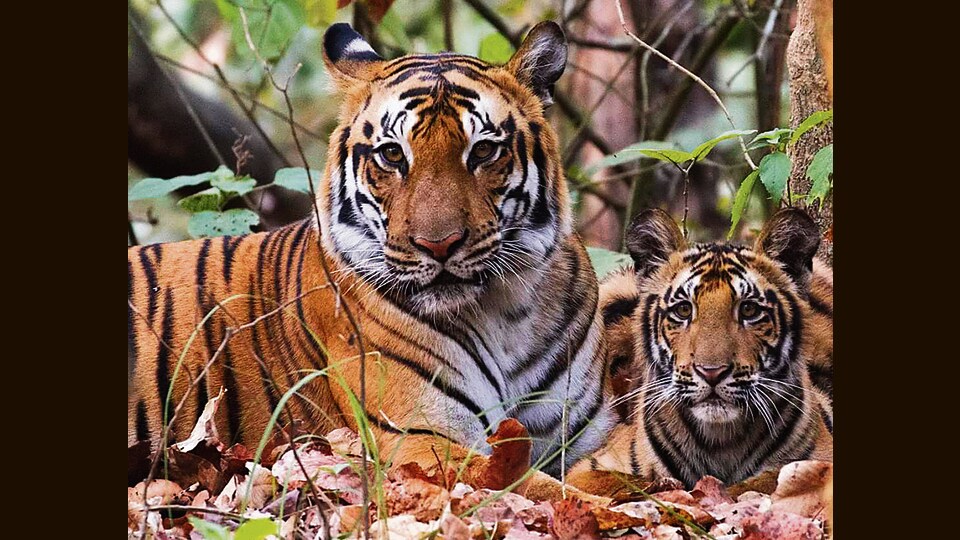
According to City-based wildlife expert and tour organiser Amey Jambhekar, an increasing number of tourists prefer offbeat destinations that are easy on the pocket.
Jambhekar said travelers are using social media to learn about undiscovered places that offer unique experiences.
“The unique biodiversity of India is the primary reason why jungle safaris are such a thrilling experience. India’s jungles have some of the world’s rarest wildlife and provide opportunities to experience a variety of scenery, and all of it enhances the safari experience by adding an element of adventure and thrill,” Jambhekar said.
There are many sanctuaries with trails in and around Pune like Koyna, Karnala, and Bhimashankar, but many wildlife enthusiasts prefer core jungle jeep safaris that offer tiger sightings like Tadoba-Andhari Tiger Reserve near Chandrapur, Pench National Park in Madhya Pradesh or the iconic Jim Corbett National Park in Uttarakhand.
“10 years back the wildlife safaris would only consist of actual vehicle safaris in jungles. But nowadays, there are other value additions such as cultural or heritage walks, local food, and stay experience, which in turn give rise to a subconscious thought of helping the local communities,” said Anand Dandekar, a city-based financial adviser, who also happens to foster a keen interest in wildlife photography.
People began visiting jungles more frequently in recent years, most likely as a result of social media exposure, which raised awareness; also, other popular destinations are overcrowded, so people are looking for something different, he added.
Moreover, most of these jungles are kid-friendly, which makes it feasible for a perfect family outing.
IT professional and nature enthusiast Saurabh Chitale feels post the Covid 19 pandemic, people have started to tend to their passions, learn something new, and get closer to nature to avoid the hustle of extensive urbanisation.
“People who appreciate nature have begun to prefer staying within a forest or watching animals and birds in their natural habitat. The major reasons for this are the ease of accessibility and the availability of infrastructure such as low-cost lodging and food alternatives,” Chitale added.
The excitement of spotting a tiger or leopard in the wild is unparalleled! Indian jungles are also home to elephants, rhinos, deer, wild boars, langurs, and many more creatures.
For Hrishikesh Pandkar, a wildlife enthusiast from Pune, it is heartening to see increasing wildlife tourism in India in the last decade.
“Along with creating employment opportunities for local communities, it also creates awareness about the importance of wildlife and habitat conservation. Hopefully, this will encourage people to lead a more sustainable lifestyle,” he said.
The dense Indian forests are a birdwatcher’s heaven, with everything from the magnificent peacock to the brilliant kingfisher, the lovely hornbill to a rare vulture finding their abodes here.
Time will tell whether the increasing number of tourists visiting the jungles is a blessing or a curse. But, with a conscious and respectful savour, forests will continue offering us serene and once-in-a-lifetime experiences.


