
 E-Paper



Monsoon to be normal, above normal in most parts of Maharashtra: IMD
In across all four subdivisions of Maharashtra, it is forecasted that warmer days and nights are likely in July, says official


Central Maharashtra and Maharashtra will receive normal to above-normal rainfall in July this year, as per India Meteorological Department (IMD) forecast. However, Vidarbha is likely to receive below-normal rainfall in July.
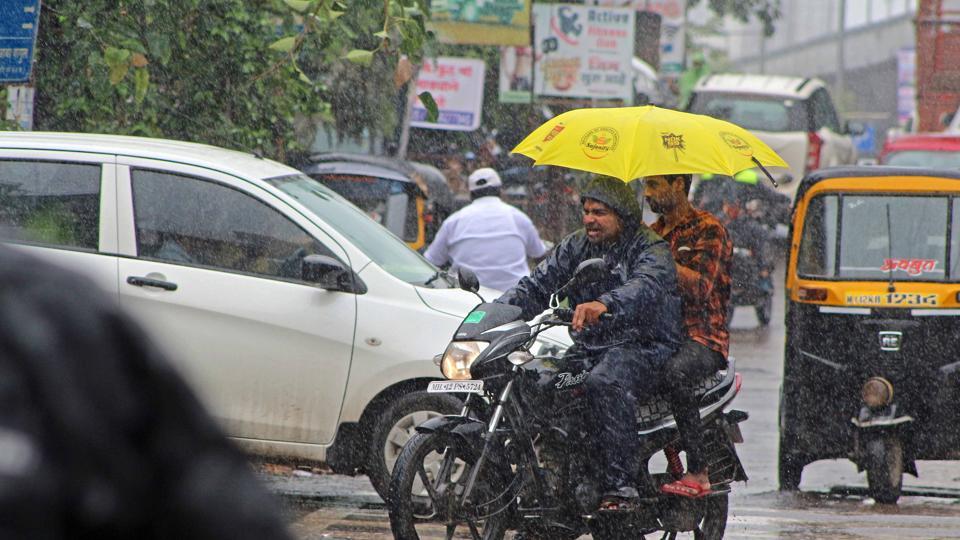
In June, Maharashtra reported a rainfall deficit of 30 per cent after a delayed onset of monsoon over the state. With Konkan and Goa, central Maharashtra and Vidarbha also reporting rain deficit, only Marathwada reported rainfall in excess by the end of June.
Speaking about the temperature in central India which includes Maharashtra, Mohapatra said that the above normal day and night temperatures are expected in most parts of Maharashtra.
“In across all four subdivisions of Maharashtra, it is forecasted that warmer days and nights are likely in July,” said Mohapatra.
In its ‘Southwest Monsoon Rainfall Forecast for the Month of July 2022’, issued on Friday, IMD noted that the normal to above normal rainfall probability is likely over some parts of north India, Central India and most parts of the South Peninsula. Normal to below normal rainfall is most likely over most parts of East and Northeast India and areas adjacent to east-central India and some parts of west south Peninsular India. Monthly rainfall for July 2022 over the country as a whole is most likely to be normal.
Mrutyunjay Mohapatra, director general of meteorology at IMD said that the rainfall averaged over the country as a whole during July 2022 is most likely to be normal.
“The LPA of rainfall over the country during July based on data of 1971-2020 is about 280.4 mm. The latest global model forecasts indicate that the prevailing La Niña conditions are likely to continue over the Equatorial Pacific Ocean and there is an enhanced possibility of the development of negative Indian Ocean Dipole (IOD) conditions over the Indian Ocean from July to September 2022. As sea surface temperature (SST) conditions over the Pacific and the Indian Oceans are known to have a strong influence on the Indian monsoon, IMD is carefully monitoring the evolution of sea surface conditions over these Ocean basins,” said Mohapatra.


