
 E-Paper



NGT directs PMC to establish drainage network in merged villages
Ghare had raised concerns over the large-scale discharge of untreated sewage into the Ramnadi river from multiple locations, particularly from Bavdhan, Bhugaon, and Bhukum


The Western Bench of the National Green Tribunal (NGT) has directed the Pune Municipal Corporation (PMC) to establish a proper drainage network and install sewage treatment plants (STPs) in the 23 villages recently merged into the city’s limits. The directive was issued during a hearing on July 24, related to the ongoing Ramnadi river pollution case, which was filed in May 2023 by Krunnal Ghare, an environmental activist dedicated to the conservation of the Ramnadi river. The same directive was uploaded online on July 26, 2025.
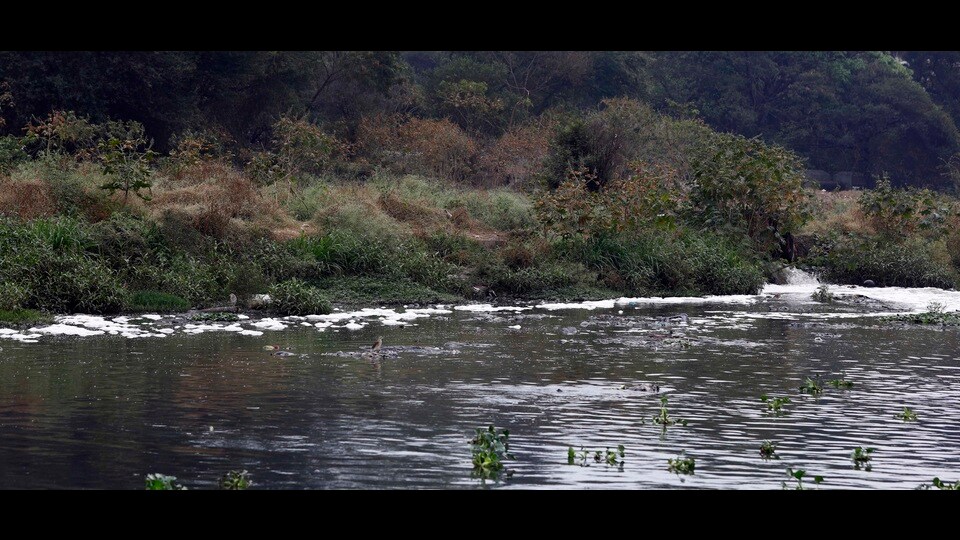
Ghare had raised concerns over the large-scale discharge of untreated sewage into the Ramnadi river from multiple locations, particularly from Bavdhan, Bhugaon, and Bhukum. He highlighted that domestic wastewater from these areas was being directly dumped into the river, either through stormwater lines or broken sewage systems, severely compromising the river’s ecological health.
The NGT held the PMC accountable for failing to provide adequate drainage and sewage treatment infrastructure in the newly merged villages. It also criticised the civic body for allowing domestic wastewater to mix with stormwater lines, which ultimately discharged into the Ramnadi. The tribunal ordered PMC to complete both sewer and stormwater networks in these areas within six months. It further directed the Corporation to halt the flow of untreated wastewater through stormwater lines and to strictly monitor all outfalls into the river.
While PMC argued that it had already initiated work on the drainage network and had repaired some sewer pipelines as recently as October 2023, the tribunal expressed dissatisfaction with the pace and extent of the city’s efforts. The NGT emphasised that infrastructure for sewage and stormwater management must be in place before or alongside development permissions and occupancy certificates, particularly in ecologically sensitive areas.
For the Bhugaon and Bhukum Gram Panchayats, both under the administrative jurisdiction of the Pune Zilla Parishad, the tribunal observed that these villages had illegally laid underground sewage lines that discharged directly into Ramnadi. The NGT ordered an immediate cessation of these discharges unless the sewage is treated through operational STPs or a comparable mechanism.
The NGT also strongly condemned the indiscriminate dumping of solid waste along the riverbanks by residents of both PMC and surrounding villages. It instructed all local bodies, including PMC, PMRDA, and the Gram Panchayats, to enforce strict penalties against offenders and to consider filing FIRs to curb the practice. With these directives, the NGT closed the case.
PMRDA’s accountability under scrutiny
The Pune Metropolitan Regional Development Authority (PMRDA), which had previously approved several residential projects in the region, was also criticised for its passive role in addressing the pollution issue. While PMRDA claimed it was merely a planning authority and not an executing agency, the tribunal acknowledged the applicant’s argument that under the Maharashtra Metropolitan Region Development Authority Act, PMRDA also holds responsibility for infrastructure execution, including sewage and drainage systems. However, the tribunal refrained from issuing direct orders against PMRDA, noting that further deliberation with state government stakeholders would be necessary before mandating such policy-level reforms.


