
 E-Paper



Pune ZP to transform Wadas in Junnar, Baramati into heritage homestays
The initiative is being positioned as a model to preserve the cultural heritage while generating livelihoods for local communities


In the first such initiative by a government body, the Pune Zilla Parishad (ZP) will lead the transformation of historic Wadas or traditional courtyard houses near Shivneri fort in Junnar and in Baramati into heritage homestays, in a marriage of conservation and rural tourism. The initiative is being positioned as a model to preserve the cultural heritage while generating livelihoods for local communities.
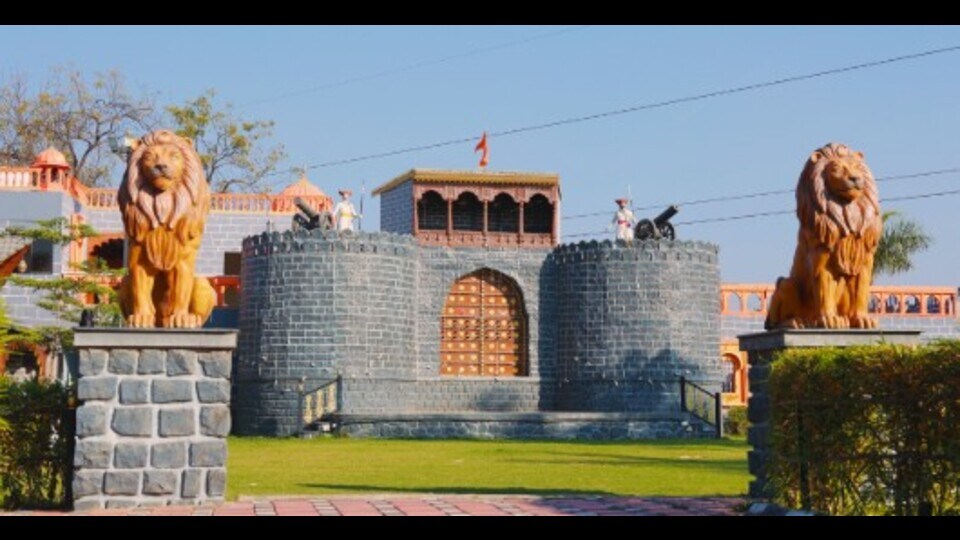
The move comes on the back of Shivneri fort’s inclusion in UNESCO’s (United Nations Educational, Scientific and Cultural Organisation’s) tentative list of world heritage sites, not to mention the growing interest in heritage tourism across Maharashtra.
So far, the ZP has identified 13 Wadas located near Shivneri fort in Junnar taluka and 22 in Baramati taluka. These structures, many of which are over a century old, require significant repairs and upgrades to become tourist-ready. To implement the pilot, the Pune ZP has constituted two expert committees comprising heritage architects, historians, representatives of trekking groups, and block development officers that will assess the structural condition and tourism potential of the selected Wadas, guide owners through the restoration process, and prepare a formal conservation and adaptive reuse plan.
Gajanan Patil, chief executive officer (CEO) of the Pune ZP, said, “This is not just about tourism—each Wada tells a story. Due to rapid urbanisation and lack of awareness, many heritage homes are being demolished, leading to the loss of our cultural identity and rural aesthetics. Through this initiative, we hope to preserve these historic structures and help farmers convert their ancestral homes into viable heritage homestays.”
“We are in talks with private tour operators to bring in external support for restoration, operations, and upkeep. Once certified as heritage homestays, operators will manage bookings, maintenance, and guest experiences. Actual development work will begin within a month, and the first phase is expected to go live in the next six months,” Patil said.
The heritage homestays will also be registered with the Maharashtra Tourism Development Corporation (MTDC) and listed on major online booking platforms to boost their reach. Once successful, the model will be replicated near other prominent forts including Rajgad and Lohagad; Patil said.
Separately, the expert committees will also work with archaeology department officials, conservationists, and local panchayats to ensure that the restorations maintain architectural authenticity while meeting modern standards of safety and hospitality.
Anant Shinde, a resident of Junnar, welcomed the initiative. “We grew up hearing stories of Shivaji Maharaj and the history of these Wadas. But over time, many of them have decayed. Turning them into homestays is a brilliant idea—it keeps our heritage alive and helps villagers earn without having to migrate,” Shinde said.
The concept was first proposed by the Sahyadri Giribhraman Sanstha, a Junnar-based trekking organisation, which highlighted how Wadas can offer authentic rural experiences to tourists visiting Shivneri fort.
Meanwhile, the heritage homestays project reflects a broader strategy to use cultural tourism as a driver of rural development, especially in regions of the state that boast a rich history. If successful, the effort could serve as a blueprint for similar heritage-led tourism models across the country.


